
Advancements in CNG Cylinder Technology for Sustainable Energy Solutions
Advancements in CNG Cylinder Technology

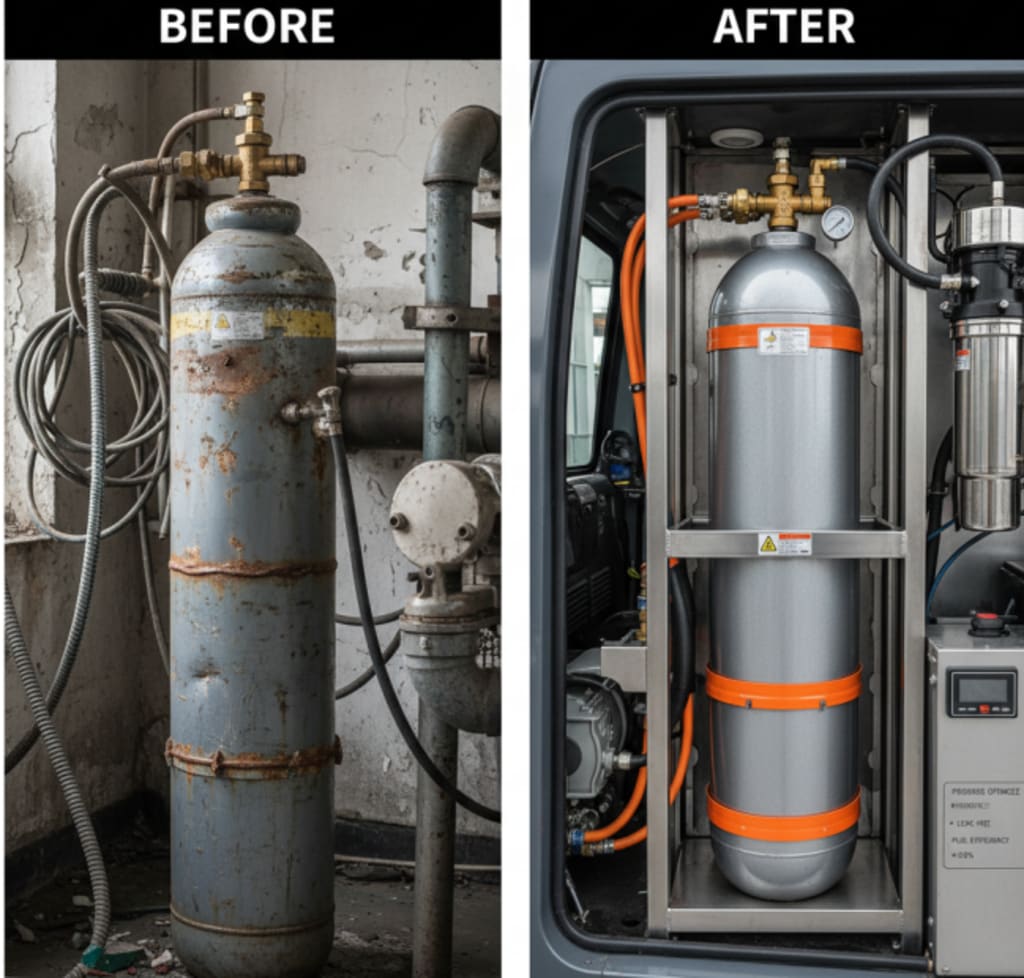
The transition toward cleaner and more sustainable energy sources has become a global priority in recent years. Among the many alternatives to traditional fossil fuels, compressed natural gas (CNG) has emerged as a practical and environmentally friendlier option. One important component that supports the use of this fuel is the cng cylinder 14 kg, which plays a key role in storing and delivering compressed natural gas safely for various applications.
Across different regions of the world, governments and industries are increasingly focusing on reducing emissions and improving air quality. This shift has encouraged the adoption of CNG-powered vehicles and machinery. As a result, the demand for efficient and safe storage solutions has also grown. Cylinders designed to hold compressed natural gas are essential for ensuring that the fuel can be transported and used reliably.
Understanding the Role of CNG in Modern Energy Systems
Compressed natural gas is widely recognized for producing fewer harmful emissions compared to gasoline and diesel. It releases lower levels of carbon dioxide, nitrogen oxides, and particulate matter, which makes it a cleaner option for transportation and industrial use. This advantage has contributed to its rising popularity in urban areas where air pollution is a major concern.
The development of standardized storage systems has made it easier to integrate CNG into everyday applications. Cylinders are specifically engineered to withstand high pressure, allowing natural gas to be compressed and stored efficiently. These storage solutions enable vehicles, generators, and other equipment to operate using CNG without compromising safety.
Design and Structure of CNG Cylinders
CNG cylinders are designed with strong materials that can handle extremely high pressure levels. Typically, they are manufactured using high-grade steel or composite materials. Composite cylinders often include layers of carbon fiber wrapped around a metallic or plastic liner, making them lighter while maintaining strength.
Several components contribute to the overall safety and functionality of these cylinders. The cylinder body forms the main structure, while the valve controls the release of gas. A pressure relief device is also included to prevent excessive pressure buildup, ensuring safe operation under varying conditions. Protective coatings are applied to reduce the risk of corrosion and extend the lifespan of the cylinder.
These design features are the result of strict manufacturing standards and testing procedures. Regulations ensure that each cylinder meets safety requirements before being used in real-world applications. This attention to detail is essential for preventing accidents and maintaining reliability.
Applications in Transportation and Industry
One of the most common uses of CNG cylinders is in transportation. Passenger vehicles, taxis, buses, and delivery trucks often rely on compressed natural gas as a fuel source. This shift helps reduce fuel costs and environmental impact, particularly in densely populated cities.
In addition to transportation, CNG cylinders are used in industrial settings. They can power machinery such as forklifts and generators, especially in areas where access to traditional fuel sources is limited. In some cases, they are also used in remote or emergency situations where a portable energy source is required.
The adaptability of these cylinders makes them suitable for a wide range of uses. Their standardized sizes and capacities allow them to be integrated into different systems with relative ease.
Environmental and Economic Benefits
The use of compressed natural gas offers both environmental and economic advantages. From an environmental perspective, it contributes to cleaner air by reducing harmful emissions. This can lead to improved public health, particularly in urban environments where pollution levels are high.
Economically, CNG is often more affordable than conventional fuels. Lower fuel costs can benefit both individual users and businesses, especially those that operate large fleets of vehicles. Over time, these savings can be significant.
Another important benefit is energy diversification. By using natural gas, countries can reduce their dependence on imported oil and make better use of domestic resources. This can enhance energy security and stability.
Challenges in Adoption
Despite its advantages, the widespread adoption of CNG technology faces several challenges. One major issue is the limited availability of refueling infrastructure in many regions. Building new refueling stations requires investment and long-term planning.
Another challenge is the lower energy density of natural gas compared to liquid fuels. This means that vehicles may require more frequent refueling, which can be inconvenient in areas with limited station availability.
There are also concerns about safety, although these are largely addressed through strict regulations and proper maintenance. Regular inspection and certification of cylinders are essential to ensure continued safe use.
Future Developments and Innovations
The future of CNG technology is closely linked to advancements in materials and engineering. Researchers are working on developing lighter and stronger composite materials that can improve storage capacity and reduce overall weight. These improvements can enhance vehicle efficiency and performance.
Another area of innovation is the integration of smart technologies. Sensors and monitoring systems can be used to track pressure levels and detect potential issues in real time. This can help improve safety and reduce maintenance costs.
In addition, the use of renewable natural gas derived from organic waste is gaining attention. This approach can further reduce environmental impact and make CNG an even more sustainable option.
Conclusion
As the world continues to search for cleaner energy solutions, compressed natural gas remains a practical and effective option. The role of storage systems, including the cng cylinder 14 kg, is essential in making this fuel accessible and usable across different sectors. Through ongoing innovation and infrastructure development, CNG technology has the potential to play an important part in creating a more sustainable and environmentally responsible future.
About the Creator
PostSphere
🌟 Helping businesses grow through SEO, guest posting, and expert link building.
Let your content speak on the right platforms.
Enjoyed the story? Support the Creator.
Subscribe for free to receive all their stories in your feed.
Comments
There are no comments for this story
Be the first to respond and start the conversation.