
Adjusting to Dentures: Tips for Comfort, Care, and Confidence
A Practical Guide to Living Well With Your New Smile

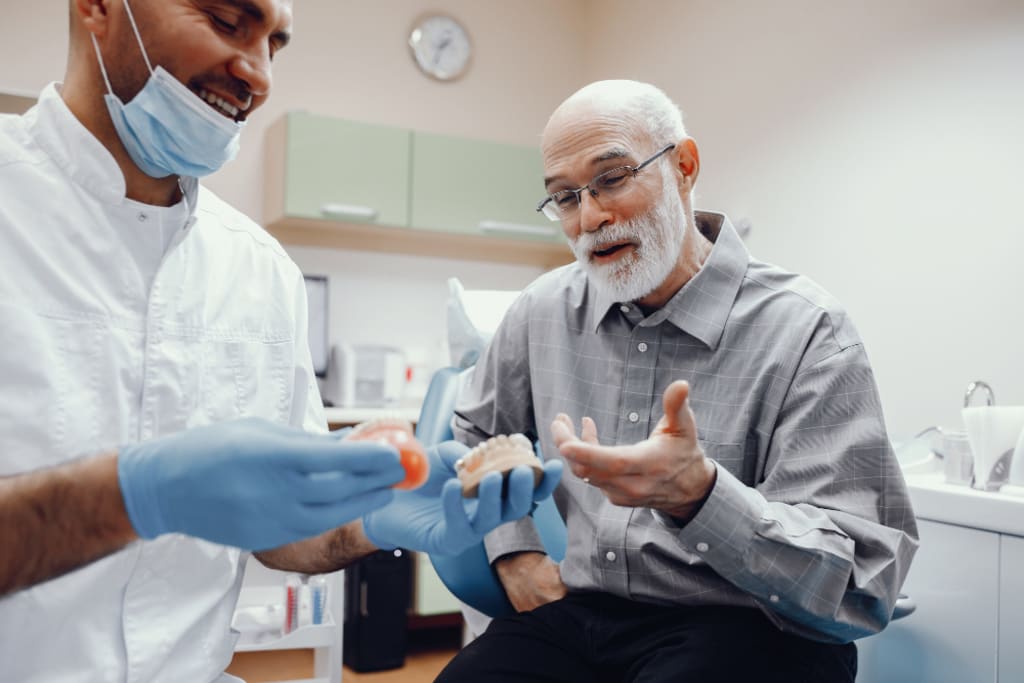
Getting dentures is a big change; like any change, it comes with an adjustment period. Whether you’ve received full or partial dentures, initially, feeling a little unsure is normal.
Many aspects of daily life may feel unfamiliar, from eating and speaking to simply feeling comfortable. But with time, support, and the right approach, dentures can quickly become a natural part of your life.
Tip 1: Be Patient With Yourself
It’s important to give yourself time to adjust physically and emotionally. At first, your dentures may feel bulky or awkward. You might experience some soreness or increased saliva production.
These are all typical signs that your mouth is adapting. Most of these symptoms ease within a few weeks.
To support the adjustment, stick to soft foods and take smaller bites. Avoid hard or sticky foods until you’re more confident with your new teeth.
Talk to your dentist if any discomfort persists or if adjustments are needed.
Tip 2: Practice Speaking
One of the most common concerns among new denture wearers is speech. You may find pronouncing certain words challenging or noticing a slight lisp.
Don’t worry—this is temporary. To improve your confidence, read aloud daily.
Try repeating difficult words and practising speaking in front of a mirror. This will help train your tongue and mouth muscles and build confidence in social settings.
Most individuals recover their typical speech abilities over several weeks.
Tip 3: Maintain a Cleaning Routine
Just like natural teeth, dentures need daily care. Cleaning them regularly helps prevent stains, bacteria buildup, and bad breath.
Here’s a basic cleaning routine to follow:
- Remove and rinse dentures after meals to get rid of food particles.
- Daily brushing of dentures requires a soft-bristled toothbrush with a denture cleaning solution instead of regular toothpaste because the conventional paste is too harsh.
- Leave your dentures to soak in a denture solution overnight for continued disinfection.
- Don’t forget your gums, tongue, and any remaining natural teeth—brush them gently each day.
Good hygiene extends the life of your dentures and supports your oral health.
Tip 4: Know What to Expect With Fit
New dentures may feel loose at first as your mouth adapts. Over time, your gums and jawbone may also change shape, affecting how your dentures fit.
It’s normal to need a few follow-up visits for minor adjustments. If your dentures cause persistent sore spots or start to slip, talk to your dentist.
They may recommend a reline or adjustment to improve the fit. Avoid over-the-counter adhesives without your dentist’s advice, especially during the early stages.
Tip 5: Eat Smart
Eating with dentures is a new experience. Start with soft, easy-to-chew foods such as eggs, mashed potatoes, yogurt, and vegetables.
To balance pressure during chewing, cut food pieces smaller and eat from both sides of your mouth. As you become more comfortable, slowly reintroduce tougher foods.
Be cautious when consuming hot meals and beverages because dentures might decrease your temperature sensitivity. Avoid foods that are hard, sticky, or have small seeds that can get stuck under your dentures. These include nuts, popcorn, chewing gum, and fruits like berries.
Tip 6: Build Your Confidence
It’s natural to feel self-conscious when you first start wearing dentures. You may worry about them slipping or making noise. But rest assured, with practice and care, they’ll feel like second nature.
Try smiling in the mirror, talking with loved ones, or snapping selfies to see how you look and sound. The more you engage with daily life, the faster your confidence will grow.
Remember, you’re not alone—millions of people wear dentures and live comfortably confidently, and socially active lives.
Tip 7: Keep Regular Dental Appointments
Even with full dentures, routine dental visits are still important. During appointments, your dentist evaluates your gum condition, checks your dentures for proper fit, and performs any needed modifications.
Regular check-ups can also help spot any signs of irritation or oral health issues early. Depending on your situation, your dentist may recommend yearly relines or replacements every 5–7 years to ensure continued comfort and function.
Final Thoughts
Adjusting to dentures takes time, care, and patience, but the reward is a functional and confident smile. With daily maintenance, smart eating habits, and regular dental care, you can enjoy all the benefits of your new teeth.
If you're considering or looking for comfortable, custom-made dentures in Campbelltown, our team is ready to help. Book a consultation today and start your journey to a more confident smile.
About the Creator
Marketfair Dental Care
Dentist Campbelltown, your trusted family dentists providing advanced dentistry and same day emergency care in Campbelltown. Call (02) 4620 0800 or visit us at Marketfair Campbelltown Shop 21B, 4 Tindall St, Campbelltown NSW 2560.
Enjoyed the story? Support the Creator.
Subscribe for free to receive all their stories in your feed.
Comments
There are no comments for this story
Be the first to respond and start the conversation.