

A LOOK AT CINNAMON
INTRODUCTION
Cinnamon is a spice that comes from the branches of wild trees that belong to the genus "Cinnamomum" which is native to the Caribbean, South America, and Southeast Asia. It is one of the oldest and most popular spice, and has been used for millennia both for its flavoring and medicinal qualities. It has been consumed since 2000 BC in Ancient Egypt, where it was very highly prized. Sri Lanka is the major cinnamon producing country in the world and it controls 60% of the world cinnamon trade.
There are TWO MAIN TYPES of cinnamon and these are:
1. Ceylon cinnamon (Cinnamomum verum), often considered to be "true cinnamon" and comes principally from Sri Lanka, India, Madagascar, Brazil and the Caribbean.
2. Cassia Cinnamon or Chinese Cinnamon (Cinnamomum aromaticum), which originates from Southern China and is typically less expensive than Ceylon cinnamon. It can also be found in Asian countries like Indonesia, Vietnam, Japan and Korea.
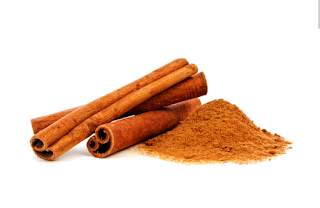
Due to the fact that Ceylon Cinnamon is very expensive and more difficult to find, Cassia cinnamon is widely used in the preparation of both savory and sweet meals and valued for its medicinal purposes.
What To Note About The Two Types Of Cinnamon
Ceylon Cinnamon is Sweeter, lighter and more refined than cassia. Besides flavor, the most important distinction between the two spices, however, is in their levels of COUMARIN, a natural compound that acts as a blood thinner when ingested. Cassia has much higher levels of COUMARIN than Ceylon cinnamon. Patients on blood thinners such as warfarin (trade name Coumadin) are often advised to limit their intake of cinnamon, but this generally applies to cassia and not necessarily Ceylon.
Blood thinners are substances that prevents or reduces the coagulation of blood, prolonging the clotting time. These are normally Known as anti-coagulants and examples include warfarin and heparin.
Both types of cinnamon are excellent sources of the trace mineral MANGANESE which is an important activator of enzymes essential to building healthy bones as well as other physiological processes, including carbohydrate and fat metabolism. They are also both very good sources of dietary fiber, iron and calcium. The combination of calcium and fiber is thought to be helpful in reducing the risk of colon cancer, lowering cholesterol levels and relieving constipation or diarrhea.
Uses of Cinnamon
1. It can be used as a natural food preservative.
2. It can be added to baked foods such as cakes and biscuits
3. Cinnamon sticks can be put into drinking water and taken throughout the day. It can also be used in teas and various desserts.
4. It can also be used to sweeten recipes without added sugar because of its sweet taste.
5. Cinnamon oil extract is widely used to make body care products such as soaps, lotions and perfumes.
HEALTH BENEFITS OF CINNAMON
Modern research indicates that cinnamon may have some beneficial health properties. However, it is important to recognize that more research and evidence is needed before we can say conclusively that cinnamon has these health benefits. Also, researchers have found out that out of twenty-six of the most popular HERBS and medicinal spices in the world, cinnamon actually ranks #1 in terms of its protective ANTIOXIDANT levels and have concluded that the health benefits of cinnamon can be obtained in the form of its pure bark, essential oils, in ground spice form (which is bark powder), or in extract form when its special phenolic compounds, flavonoids, and antioxidants are isolated.
1. High Source of Anti-oxidants
Presence of oxidative stress in the body increases a person’s risk of brain disorders, cancers, cardiovascular diseases and other conditions. Cinnamon is packed with a variety of protective antioxidants called polyphenols, phenolic acid, and flavonoids that reduce free radical damage and slows the aging process. These compounds aid in fighting many forms of oxidative stress in the body and limits nitric oxide build up in the blood.
2. Contains Anti-inflammatory Properties
Antioxidants in cinnamon have anti-inflammatory effects, which may help lower the risk of heart disease, cancer, brain function decline, etc. These are highly effective at fighting dangerous inflammation levels throughout the body. Because cinnamon lowers swelling and inflammation, it can be beneficial in pain management, with studies showing that cinnamon helps to relive muscle soreness, Pre-Menstrual Syndrome (PMS) pains, severity of allergic reactions, and other age-related symptoms of pain.
Click here to read the rest of the health benefits on my Blog of Spices.
About the Creator
Enjoyed the story? Support the Creator.
Subscribe for free to receive all their stories in your feed.
Comments
There are no comments for this story
Be the first to respond and start the conversation.