
A Guide to Avoiding Acne: Uncovering the Causes and Prevention Strategies
This guide provides an in-depth look at the underlying causes of acne and provides tips to help you keep your skin clear.
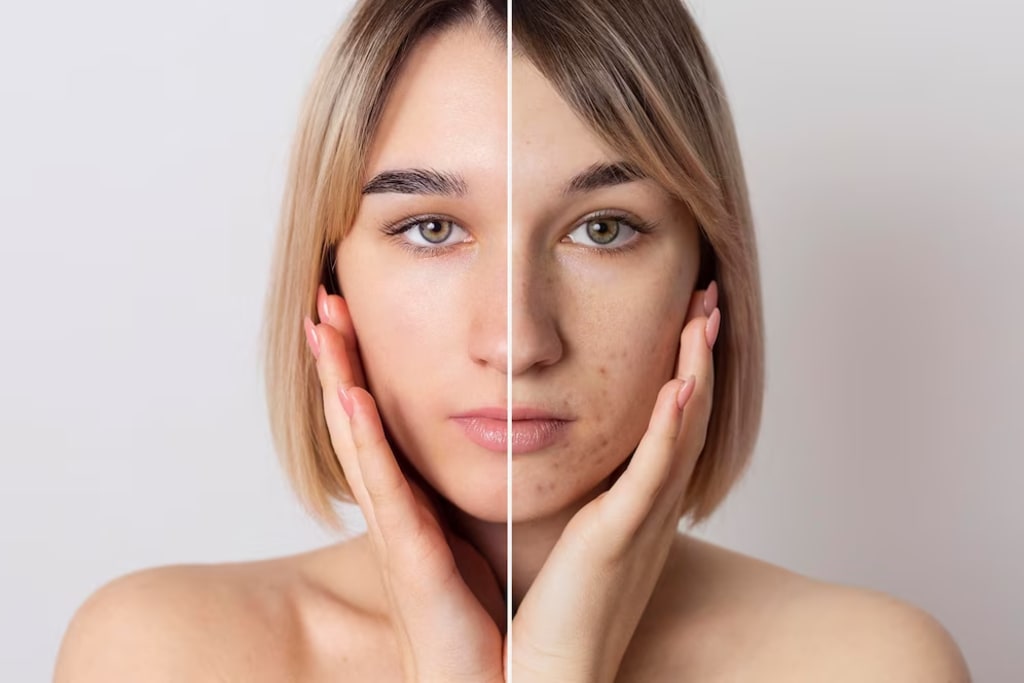
Acne is a widespread skin condition caused by clogged pores. It can affect people of all ages but is most common in teenagers and young adults. Acne can be unsightly and may lead to scarring, which can be emotionally distressing and impact self-confidence. While acne is not usually painful, the scars it leaves can be.
The pharmaceutical industry has developed a range of treatments for acne, including topical creams, antibiotics, and hormonal treatments. These treatments can help reduce the severity of acne and the risk of scarring.
What Causes Acne
Acne is caused when the pores of your skin or hair follicles become blocked with oil, dead skin, or bacteria. Hair follicles are small tube-like structures that hold a single strand of hair. Each pore opens to a follicle, and each follicle contains hair and a sebaceous oil gland. When too much sebum, bacteria, or dead skin cells accumulate inside the hair follicle, it can form a pimple.
Excess sebum production is a significant factor that can lead to acne breakouts. When the skin produces too much oil, it mixes with dirt and bacteria, resulting in blocked pores. This triggers inflammation, causing redness, swelling, and pain. To prevent acne, it is important to understand the underlying causes and take steps to reduce the risk of breakouts.
A Few Causes of Acne
- The hormonal changes that occur during puberty can lead to an increase in acne. Testosterone, in particular, is a significant contributing factor to breakouts, as it can cause an overproduction of oil on the skin. This can increase the risk of acne. Fortunately, this type of acne usually resolves itself once you reach adulthood, when the hormones have settled down.
- In addition, hormonal fluctuations associated with menstruation or pregnancy can significantly contribute to acne in women. Conditions such as Polycystic Ovarian Syndrome (PCOS) and other endocrine disorders can make women more susceptible to acne than men. To help you through these difficult times, you can find various feminine health products available from an online pharmacy.
- Acne can be hereditary, so if your parents had it, you might be more likely to develop it. Genetics can play a significant role in the likelihood of acne appearing.
- Certain medications, such as antidepressants, lithium-containing drugs, hormonal birth control pills, steroids, and anti-epileptic drugs, may lead to the development of acne.
Some Lifestyle and Environmental Factors Can Increase the Risk of Acne Developing
- Those who often don headgear such as hats, caps, helmets, and backpacks may be more prone to acne breakouts in those areas due to increased sweating and oil buildup. Additionally, wearing tight-fitting clothing can also lead to acne flare-ups.
- The air we breathe can have a significant impact on our skin, particularly when it comes to acne. High levels of air pollution can lead to increased dirt deposition on the skin, which can aggravate existing acne. Additionally, when humidity is exceptionally high in certain areas, it can exacerbate acne problems.
- Using beauty products with high oil content, as well as working in environments where you are exposed to excessive amounts of oil or grease, can increase your chances of developing acne. Cleansers, creams, and oil-based moisturizers should be avoided, as should jobs involving frequent contact with oil or grease.
- Stress can be a major factor in the development of acne, as elevated cortisol levels can trigger breakouts. When under pressure, the body produces more of the hormone, leading to an increase in oil production and inflammation of the skin.
Which Acne Myths Are There?
Chocolate and greasy foods:
It is a common misconception that consuming chocolate or greasy food increases the risk of acne breakouts. However, there is no scientific evidence to suggest that these foods have any significant impact on acne.
Hygiene:
Good hygiene is important for overall skin health, but it is not the cause of acne. Over-scrubbing or using harsh soaps and creams can irritate the skin and make acne worse. It is important to practice good hygiene, but it is not the root cause of acne.
Cosmetics:
Acne can be a complex problem, but it doesn't mean you have to throw away all your cosmetics. Pay attention to the skincare products you use; a reputable medicine manufacturing company should be consulted to ensure the products you use are safe and effective for treating acne.
And opt for oil-free makeup that won't clog your pores. Always take off your makeup before bedtime to keep your skin healthy and clear.
How Can Acne Be Prevented?
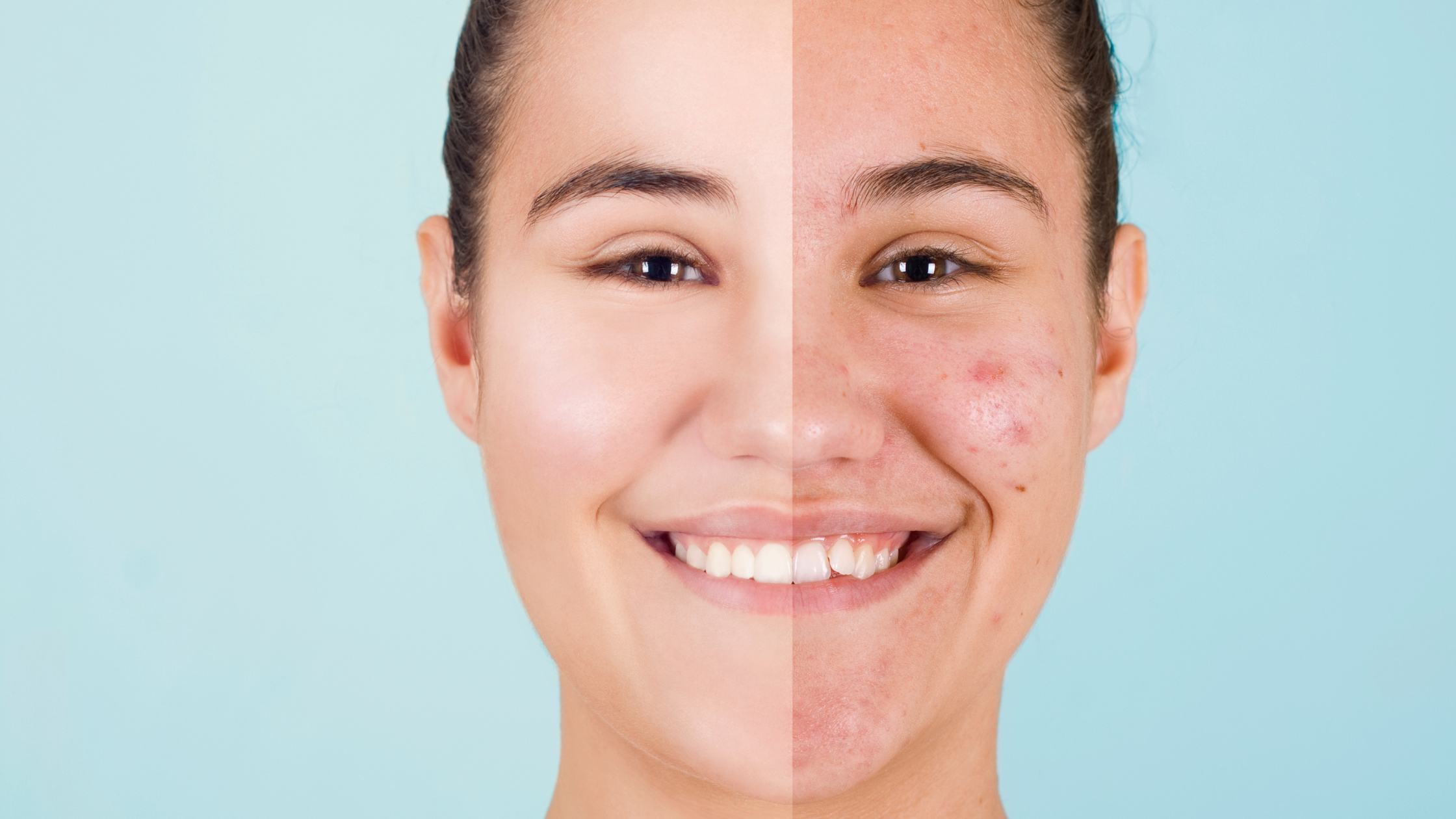
- Caring for your skin should be a priority, especially during summer. Make sure to wash your face regularly, especially after working out or sweating heavily. Also, remember to remove any makeup before bed. After cleansing, nourish your skin with an oil-free moisturizer to keep it looking and feeling healthy. Doing this will help prevent acne and keep your skin in great condition.
- Opt for mild, oil-free cleansers and other skin care products to keep your pores from becoming blocked. Look for " non-comedogenic " items to ensure they won't clog your pores. Avoid products with astringents, alcohol, exfoliants, and toners, as these can irritate your skin.
- Maintaining a healthy diet is essential for good health. Eating various fruits, vegetables, legumes, fish oils, and other nutritious foods can help reduce inflammation, keep your skin hydrated, and prevent acne breakouts. If your diet lacks essential nutrients, you can supplement it with vitamins and minerals to support skin, hair, and nail health.
- Any particular food does not cause acne breakouts; however, if you are prone to acne, it is best to avoid highly processed foods, sugary items, beverages, and dairy products. Although there is not much scientific evidence to support this, these foods may cause an increase in blood sugar levels and inflammation, both of which can lead to acne.
- Exercising regularly has numerous advantages for your skin. It increases blood circulation, supplying skin cells with oxygen and nutrients while eliminating waste products. Sweating during physical activity helps to flush out dead cells, bacteria, and dirt, which can cause clogged pores and infections. Exercise also boosts the production of collagen, which helps keep skin looking firm and youthful.
How Can Treatment Help Prevent Acne?
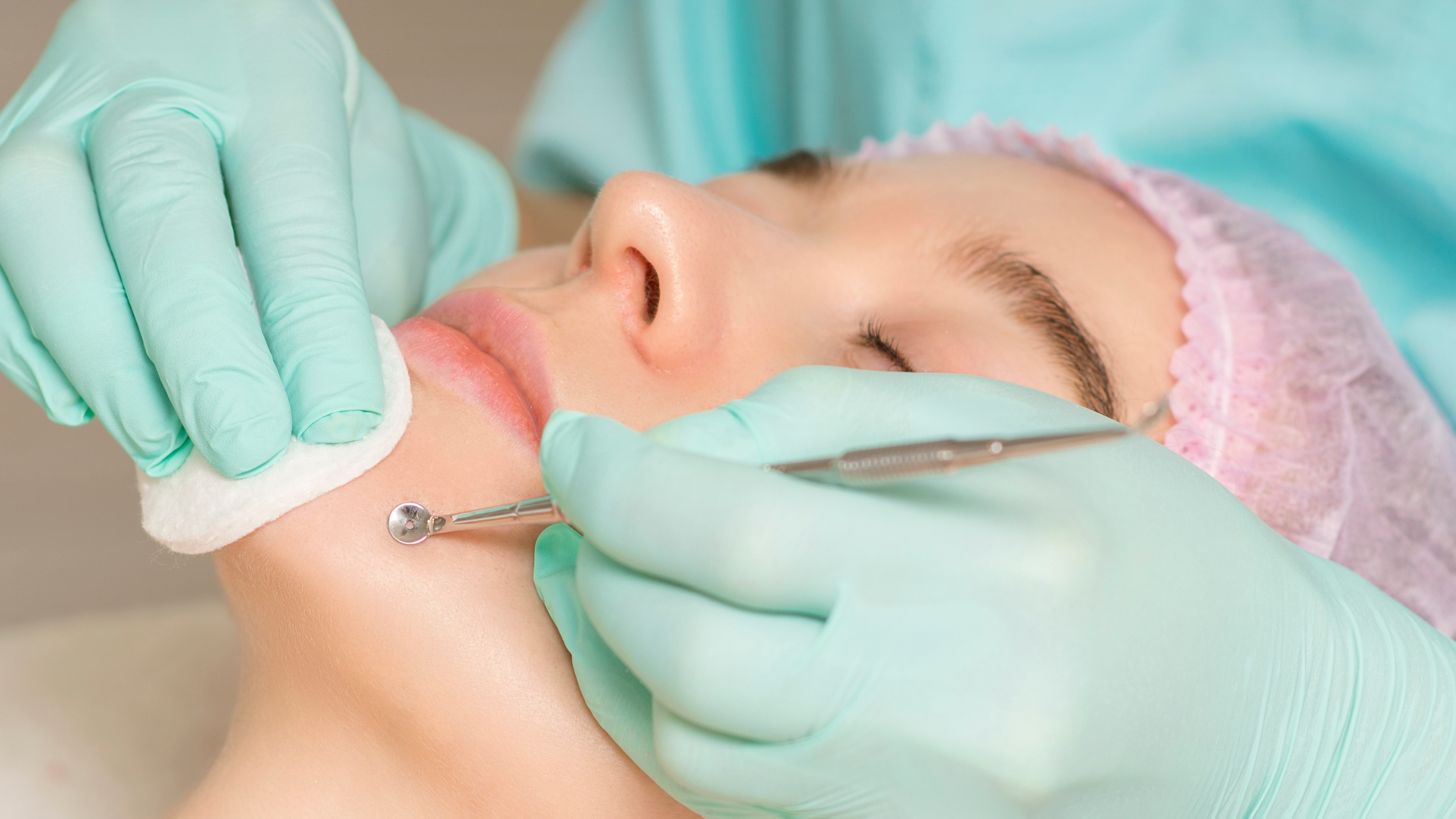
If you have been taking all the necessary steps to prevent acne, yet it persist, it is wise to take action and treat it with over-the-counter medications. Consulting with a pharma company in Surat is the best way to go about it, as they offer a variety of medicines and creams to help you tackle your acne woes.
In cases where topical treatments are not successful, consulting a medical professional is the best course of action. A doctor or other healthcare provider can advise on alternative medications or treatments that may be more effective.
Certain healthcare providers may suggest antibiotics to reduce the infection and inflammation caused by bacteria. Bacteria can lead to blocked pores, and antibiotics can help control the growth of these bacteria, preventing them from multiplying. While antibiotics cannot cure acne, they can be effective in reducing pain and swelling, as well as preventing the spread of the infection.
Conclusion
Acne is a common skin condition that can be difficult to manage. While it is often a temporary issue that can be treated with the proper steps, it is essential to seek medical advice as soon as possible if it persists. Many pharmaceutical manufacturing companies offer a range of products to help treat and manage acne.
About the Creator
Pratik Shah
Pharmacist at Staple Pharma
Enjoyed the story? Support the Creator.
Subscribe for free to receive all their stories in your feed.
Comments
There are no comments for this story
Be the first to respond and start the conversation.