
A Complete Guide to Sleep Dentistry: Stress-Free Dental Care for Everyone
How Sedation Techniques Are Changing the Dental Experience for Anxious Patients
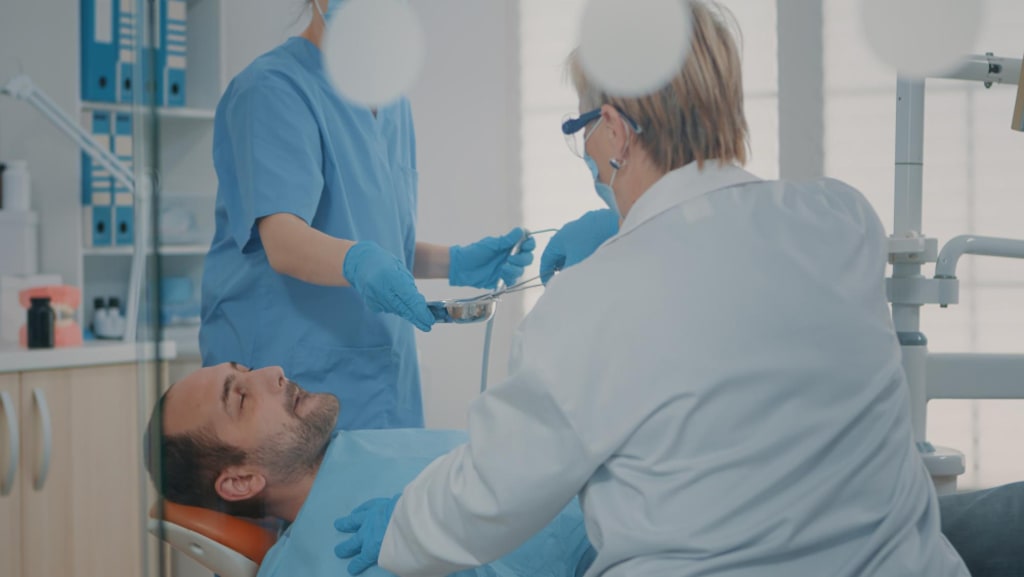
For many people, visiting the dentist isn’t just about cleanings or check-ups — it’s a source of genuine anxiety. If the sound of dental tools or the thought of a procedure makes your heart race, you’re not alone.
This is precisely where sleep dentistry comes into the picture. It’s designed to make dental visits calmer, more comfortable, and less stressful.
What is Sleep Dentistry?
Sleep dentistry, often called sedation dentistry, uses medicine to help patients relax during dental procedures. Despite the name, you’re not always fully asleep—depending on the type used, sedation can range from mild relaxation to deep sleep.
This approach is ideal for patients who experience severe dental anxiety, have trouble sitting still for long periods, or require complex procedures. Instead of dreading your next appointment, sleep dentistry allows you to receive the care you need without unnecessary stress.
Different Sedation Types for Sleep Dentistry
Sleep dentistry isn’t a one-size-fits-all approach. Dentists can use different types of sedation depending on your needs, medical history, and procedure.
1. Nitrous Oxide (Laughing Gas)
Inhaling this moderate sedative requires a mask over your nose. It helps you feel relaxed but still awake and aware. After your session, you may return to your day immediately because the effects wear off rapidly.
2. Oral Sedation
With oral sedation, you take a prescribed medicine before your appointment. This leaves you drowsy but still responsive, making it perfect for patients with moderate anxiety.
3. IV Sedation
Administered directly into your bloodstream, IV sedation allows for a deeper level of relaxation. It works quickly; the dentist can adjust the dosage in real time to suit your comfort.
4. General Anaesthesia
For extreme cases or particularly complex procedures, general anaesthesia may be recommended. This puts you into a deep sleep, ensuring you have no memory of the procedure.
Who Can Benefit from Sleep Dentistry?
While sleep dentistry is beneficial for anxious patients, it’s also helpful for:
- Patients with a strong gag reflex
- People requiring lengthy or complex dental work
- Those with low pain tolerance
- Patients with medical conditions such as Parkinson’s or developmental disabilities that make sitting still challenging
It’s not limited to adults, either. Children who are especially fearful or uncooperative during dental visits may also benefit from sedation techniques under proper supervision.
Safety and Considerations
Many people wonder if sleep dentistry is safe — and the answer is yes when administered by qualified dental professionals. Before considering sedation, your dentist will examine your medical history, current medicines, and health conditions to ensure you’re a suitable candidate.
It’s essential to disclose everything, including supplements or over-the-counter medicines, to avoid complications. Patients usually tolerate sedation very well, with few side effects, such as slight drowsiness afterwards.
The Process: What to Expect
If you’re considering sleep dentistry, here’s what a typical process might look like:
Consultation: Your anxieties, medical history, and impending treatment will all be covered at your consultation with your dentist.
- Choosing Sedation Type: Your dentist will recommend the best sedation solution depending on your needs.
- Preparation: For oral or IV sedation, you may be asked to fast for several hours before your appointment.
- Procedure: With the sedation in effect, you’ll feel calm and at ease while your dentist completes the necessary work.
- Recovery: Depending on the sedation type, you might need someone to drive you home, but recovery is usually quick.
Benefits Beyond Anxiety Relief
While anxiety reduction is the primary draw of sleep dentistry, it also offers:
- More efficient treatment: When you’re relaxed, dentists can often complete more work in a single visit.
- Improved oral health: Fear often prevents people from seeking care, worsening dental problems. Sleep dentistry helps break that cycle.
- A better patient-dentist relationship: Positive, stress-free experiences encourage regular dental visits, improving your long-term oral health.
Addressing Common Misconceptions
Some people assume sedation is only for major surgeries, but that’s not true. Sleep dentistry can make even routine cleanings and fillings easier for anxious patients.
Others worry about the cost, but many dental practices offer flexible payment options or work with insurance plans that cover sedation.
Is Sleep Dentistry Right for You?
If you've been skipping dentists due to fear, past trauma, or sensory challenges, sleep dentistry could be a game-changer. It’s designed to make dental care accessible and comfortable for everyone — no matter your level of anxiety.
Final Thoughts
Dental fear shouldn’t stand between you and a healthy smile. With the help of sleep dentistry, stress-free care is possible for anyone — from nervous adults to children with dental anxiety.
If dental anxiety has been holding you back, exploring options like sleep dentistry in Warrnambool could make your next visit far more comfortable. Whether you’re due for a check-up or need a more involved procedure, knowing stress-free care is available can make all the difference.
About the Creator
Warrnambool Dental
Warrnambool Dental offers dental services, cosmetic dentistry, dental implants, invisalign, orthodontics. If you're searching for "dentist near me" call Warrnambool dentists (03) 5562 4433.
Enjoyed the story? Support the Creator.
Subscribe for free to receive all their stories in your feed.
Comments
There are no comments for this story
Be the first to respond and start the conversation.