
A Comparison Of Yellow Versus White Beeswax
organic white beeswax
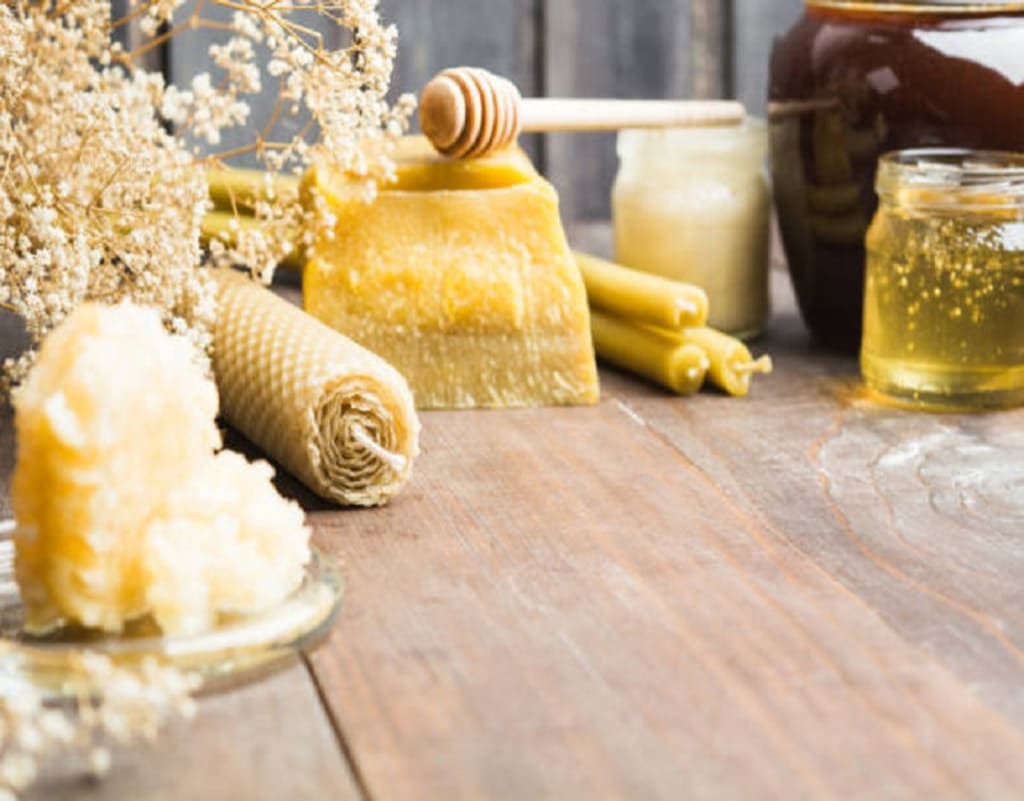
People are becoming increasingly worried about what they put on their bodies, and it has become usual for them to utilize products that include only organic or natural components. Beeswax is a popular ingredient included in a wide range of skincare products. Beeswax, on the other hand, comes in two varieties: yellow and white. But which is superior?
Both are refined, but white beeswax is bleached naturally, making it less natural than yellow beeswax. White beeswax is excellent for cosmetic purposes; however yellow beeswax is frequently preferred when creating candles. It depends on what you intend to use beeswax for. Beeswax is one of the most popular natural substances that can be found in a wide range of organic products nowadays, independent of their intended use. In this way, both yellow and white beeswax serve distinct functions and are excellent in their own right.
What makes them outstanding in their own right?
Beeswax, Yellow
Because it is generally referred to as the "natural" state of beeswax, yellow beeswax is the most prevalent type of beeswax that may be found anywhere. But why is it referred to as the natural form of beeswax? If you've ever seen honeycombs or honey, you'll know that they're usually yellowish to brown. As a result, it's simple to see why yellow beeswax is frequently regarded as the more natural variety of beeswax. Yellow Beeswax, on the other hand, appears to be the most natural condition of beeswax, although it has also undergone considerable refinement and treatment.
Beeswax, White
It is still natural and organic white beeswax. It is made from the same beeswax as yellow beeswax. However, what gives white beeswax its ivory hue is that it was subjected to a pressure-filtration process that not only filtered out impurities and debris but also eliminated its yellowish color, giving it a white look.
Another reason white beeswax appears white is that it has undergone a natural bleaching process in which it is exposed to tiny layers of air. As a result, it has been polished to the point where it no longer retains the natural yellowish look of beeswax. But that doesn't make it any less natural than it should be, even though some people question if white beeswax is still natural (considering that they think that chemicals were used for the bleaching process).
What is the difference between white and yellow beeswax?
1. Care and attention
Heat treatment is performed for yellow beeswax, which is believed to remove all of the different impurities while refining the beeswax. This helps it to preserve its natural color while also deepening it due to how heat can turn beeswax's yellowish color into golden yellow or golden brown.
Meanwhile, white beeswax is subjected to a pressure-filtration procedure that removes all impurities, including the yellow hue of the beeswax. This gives it a purer appearance than yellow beeswax, but it is the same product. Because of the more rigorous treatment that white beeswax receives, it is considered more refined than yellow beeswax, in the same way, that refined white sugar has through a stronger refinement procedure than brown sugar.
2. Objectivity
Yellow beeswax is frequently considered the purer of the two due to its ability to preserve its natural hue. Some of the natural properties of yellow beeswax were not removed because it was not refined thoroughly. Because of this, it is purer and more natural than white beeswax.
White beeswax, on the other hand, may still be natural and organic (if you choose the appropriate brand), but the refinement process removed not only debris and impurities but also some of the natural goodness that makes beeswax so excellent. That indicates white beeswax is less pure than yellow beeswax.
3. Applications
When it comes to uses, there aren't many distinctions between yellow and white beeswax. However, because they are truly distinct in terms of color, it becomes more of a matter of preference. Yellow beeswax, due to its yellowish tint, is a better choice for organic beeswax candles since it emphasizes the "natural" component of the candle and leads people to believe that the candle is created from natural beeswax. It's also perfect for other items that want to show off the natural hue of beeswax. However, if you don't mind the yellowish tint standing out, you can still use yellow beeswax for cosmetic purposes.
Meanwhile, the ivory white tint of white beeswax makes it more adaptable in terms of applications. It is best suited for cosmetics since it conceals the inherent yellow color of beeswax and gives manufacturers more freedom in determining the color of their goods. That is why some beeswax cosmetics come in a variety of hues. White beeswax, on the other hand, can be used for candles if the maker wishes to color the candles differently.
About the Creator
Enjoyed the story? Support the Creator.
Subscribe for free to receive all their stories in your feed.
Comments
There are no comments for this story
Be the first to respond and start the conversation.