
8 Ways to Lose Belly Fat
Struggling to lose belly fat? Well then these are 8 ways to lose belly fat for you
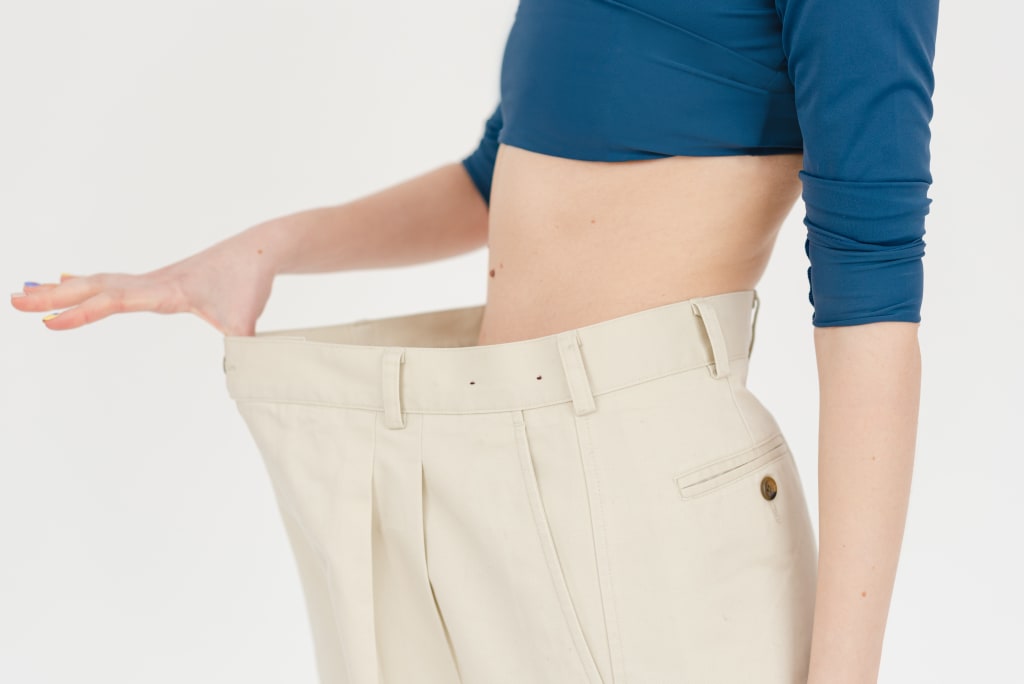
Keeping a trim midsection does more than just make you look good; it might also help you live longer. Waist circumference is associated with an increased risk of heart disease, diabetes, and potentially cancer. Losing weight, particularly belly fat, increases blood vessel function and sleep quality.
When dieting, it is hard to directly target belly fat. However, decreasing weight can help minimize your waistline; more crucially, it will help reduce the harmful layer of visceral fat, a form of fat within the abdominal cavity that you cannot see but that increases health risks.
Avoid eating processed meals.
The contents in packaged products and snack meals are frequently high in trans fats, added sugar, and extra salt or sodium—three elements that make losing weight difficult.
Work out using weights.
Even modest strength training combined with aerobic exercise helps grow lean muscle mass, causing you to burn more calories throughout the day, both at rest and during activity.
Consider an eating plan rather than a diet.
choose a healthy eating plan that you can stick to. The advantage of a low-carb strategy is that it only requires learning better meal choices—no calorie tracking is required. In general, a low-carb diet moves your consumption away from issue foods—those rich in carbohydrates and sugar and low in fiber, such as bread, bagels, and sodas—and toward high-fiber or high-protein options, such as vegetables, legumes, and lean meats.
Learn to read labels.
Brands should be compared and contrasted. Some yogurts, for example, claim to be low in fat, but they are higher in carbohydrates and added sugars than others, according to Stewart. Gravy, mayonnaise, sauces, and salad dressings are examples of foods that are heavy in fat and calories.
Spend time with health-conscious friends.
According to research, if your friends and family are doing the same, you are more likely to eat healthier and exercise more.
Instead of limiting lipids, try limiting carbohydrates.
Those who followed a low-carb diet lost 10 pounds more than those who followed a low-fat diet—28.9 pounds against 18.7 pounds. According to Stewart, another advantage of the low-carb diet is that it produces greater quality weight reduction. Weight reduction reduces fat, but it also causes a loss of lean tissue (muscle), which is undesirable. Both diets resulted in a loss of roughly 2 to 3 pounds of healthy lean tissue in addition to fat, implying that the fat loss percentage was significantly higher on the low-carb diet.
move.
Physical activity aids in the reduction of belly fat. "One of the biggest benefits of exercise is that you get a lot of bang for your buck when it comes to body composition," Stewart adds. Exercise appears to take off belly fat in particular because it lowers circulating insulin levels, which would otherwise tell the body to store fat, and stimulates the liver to use up fatty acids, particularly those near visceral fat deposits, he adds.
The quantity of activity required for weight reduction is determined by your goals. This can entail 30 to 60 minutes of moderate to strenuous activity virtually every day for most people.
More than reading a scale, concentrate on how your clothes fit.
The number on your bathroom scale may not vary much as you gain muscle mass and shed fat, but your jeans will become tighter. That's a better indication of improvement. To lower the risk of heart disease and diabetes, your waistline should be less than 35 inches for women and less than 40 inches for men.
A low-fat, high-carbohydrate diet can enhance arterial function. Those on the low-carb diet lost more weight and at a faster rate after six months. However, as weight was eliminated in both groups—especially when belly fat shrank—the arteries were able to widen more, allowing blood to flow more freely. The study found that you don't have to eliminate all dietary fat to lose abdominal fat. Simply decreasing weight and exercising appears to be important for heart health.
About the Creator
Enjoyed the story? Support the Creator.
Subscribe for free to receive all their stories in your feed.
Comments
There are no comments for this story
Be the first to respond and start the conversation.