
8 Common Herbs Used in Chinese Herbal Medicine
Chinese Herbal Medicine

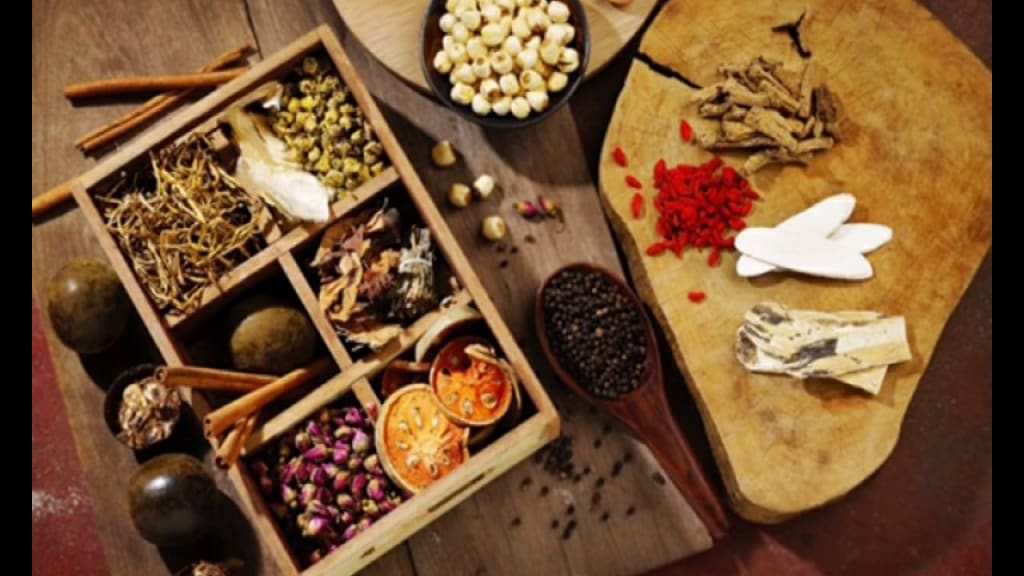
Chinese herbal medication has been used for many years to promote health, balance, and well-being. Rooted deeply in traditional Chinese medicine (TCM), those herbs are carefully chosen and mixed to deal with a wide variety of ailments. From nourishing the frame to helping to heal, Chinese herbal medicine gives a holistic method to health.
In this blog, we’ll explore eight unusual herbs used in Chinese herbal medicine, providing insights into their uses and benefits. Throughout the content, the focus will stay on the period of Chinese herbal medicine, used for the duration of the textual content as a key period.
1. Ginseng
Ginseng is one of the most famous herbs in Chinese herbal medicine, valued for its adaptogenic properties. It is thought to boost energy, enhance mental clarity, and aid the immune system. Used for hundreds of years, ginseng helps stabilize Qi, which is the vital life force according to TCM.
Benefits of Ginseng
Ginseng is commonly used to combat fatigue, enhance physical performance, and promote longevity. It’s often prescribed for individuals recovering from illness or looking to maintain overall health.
2. Reishi Mushrooms
Reishi mushrooms are acknowledged for their immune-boosting properties and are regularly referred to as the “mushroom of immortality.” Rich in antioxidants, those fungi are used in Chinese herbal medicine to reinforce the immune system and help cardiovascular health.
Uses of Reishi Mushrooms
Reishi is commonly employed in blends to help with inflammation, reduce stress, and support mental well-being.
3. Licorice Root
Licorice root is a versatile herb in Chinese herbal medicine, used for its soothing results on the digestive gadget and breathing tract. It enables to harmonize formulation and mitigate the harshness of different herbs.
Health Benefits of Licorice Root
From aiding digestion to relieving sore throats, licorice root is a go-to herb for maintaining a balanced state of health.
4. Astragalus
Astragalus is broadly used for its immune-boosting and durability-promoting effects. This herb is considered a essential part of many traditional formulation because of its ability to enhance energy and support overall vitality.
Why Astragalus is Important in TCM
Astragalus is commonly used to support immune function and help the body adapt to stressors.
5. Dang Gui
Known as the “female ginseng,” Dang Gui is often used to cope with gynecological issues and support hormonal balance. It’s particularly useful for women’s fitness and is part of many formulas that aid reproductive health.
Applications of Dang Gui
This herb is typically used in treatments for menstrual irregularities, anemia, and general vitality.
6. Schisandra Berry
Schisandra berry is valued in Chinese herbal medicine for its adaptogenic qualities. Often called the “five-flavor fruit,” it has been used to promote liver health, support mental clarity, and reduce fatigue.
Benefits of Schisandra Berry
Schisandra is used to balance Yin and Yang, helping to improve energy levels and overall resilience.
7. Huang Qi (Astragalus membranaceus)
As a powerful tonic herb, Huang Qi is utilized to strengthen the body’s defenses and improve Qi flow. This herb is essential in TCM for enhancing physical strength and immunity.
The Role of Huang Qi
It is commonly used in formulas designed to treat fatigue, prevent colds, and support recovery from illness.
8. Bai Shao (White Peony Root)
Bai Shao is an important herb in Chinese herbal medicine, frequently used to regulate menstrual cycles and relieve menstrual discomfort. It also helps balance Yin and blood flow, promoting calmness and relaxation.
Benefits of Bai Shao
Bai Shao is particularly helpful for women seeking to regulate hormonal health and alleviate stress.
Conclusion
Chinese herbal medicine encompasses a variety of herbs, every supplying unique health blessings. From improving immune characteristic to helping hormonal stability, those herbs are indispensable to the holistic method of traditional Chinese medicine. Understanding the residences and makes use of of those not unusual herbs can help manual people toward higher fitness and properly-being.
FAQ
1. What is the best way to take Chinese herbal medicine?
Consult a qualified practitioner for proper dosage and application based on your health needs.
2. Are there any side effects of using Chinese herbs?
While generally safe, some herbs may interact with medications or cause mild side effects. Always consult a professional.
3. How do Chinese herbs differ from Western supplements?
Chinese herbs are often part of a broader holistic approach, addressing not just symptoms but underlying imbalances.
4. Can I use Chinese herbal medicine alongside other treatments?
Yes, but it’s essential to consult a practitioner to avoid potential interactions.
5. How long does it take to see results from Chinese herbal medicine?
Results vary depending on the individual and the specific herbs used, often requiring several weeks or months for noticeable changes.
About the Creator
kpcherbs
KPC Herbs ensures the highest quality and potency in every bottle, making it easy to incorporate traditional Chinese medicine into your daily routine.
Enjoyed the story? Support the Creator.
Subscribe for free to receive all their stories in your feed.
Comments
There are no comments for this story
Be the first to respond and start the conversation.