
7 Tips to Maintain Welding Boots
After reading this article, the welding boot users know how to maintain their boots.

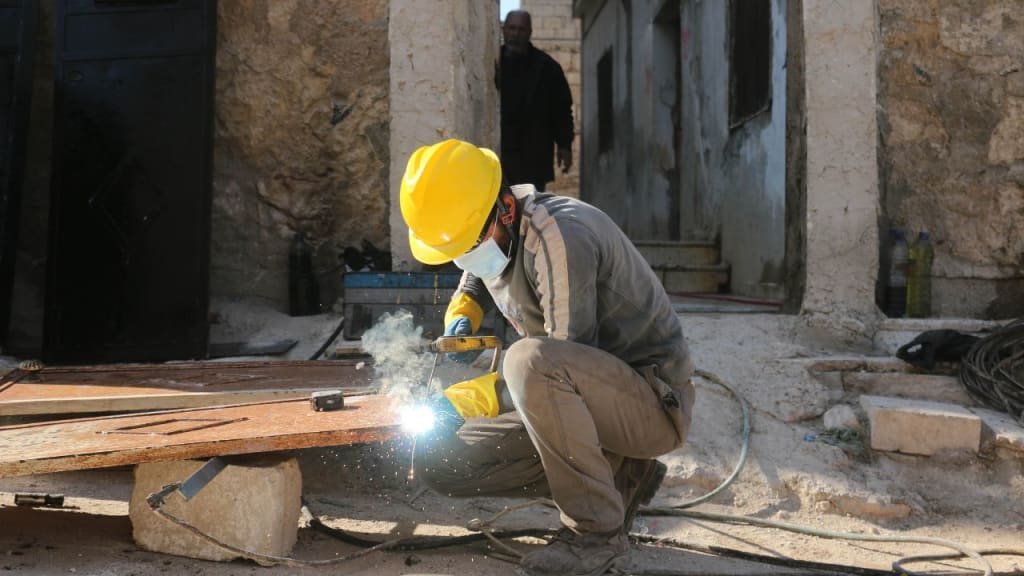
A welding boot refers to a boot that comes with different features to defend welders from the unique hazards related to welding. Indeed, these boot types provide safety while welding.
Top 5 Features of Welding Boots
While choosing welding boots, you should prioritize at least five main features to confirm they offer essential protection and durability.
1. Heat and Flame Resistance
- Heat-Resistant Materials: materials like thick leather or specialized synthetics are used to build welding boots to bear high temperatures and safeguard against sparks and molten metal.
- Flame-Retardant Coatings: Several boots contain extra flame-retardant treatments to further defend against fire hazards.
2. Protective Toe Caps
If you need to protect your feet from impact and compression injuries, welding boos should come with steel or composite toe caps. Indeed, steel toe caps feature conventional and highly effective. On the contrary, composite toe caps provide similar safety with milder weight and better insulation against heat and electricity.
3. Durable Construction
Needless to say, welding boots are constructed in a way to withstand the hardness of welding environments. Their reinforced sewing with fire-resistant threads and high-quality leather confirm that the boots are capable of withstanding wear and tear.
4. Slip and Puncture Resistance
- Slippery-Resistant Shoes: The soles of welding boots are fabricated from components built to prevent slipping, providing better traction across different surfaces, thus lowering the risk of mishaps caused by slips and falls.
- Safe Shoes: The soles of these boots defend your feet from sharp objects on the floor, demonstrating that no object can penetrate the boot and injure your feet.
5. Electrical Hazard Protection
- EH Rating: Welding boots frequently have an electrical hazard (EH) rating, implying they offer insulation against electric shocks by resisting the user's body from completing an electrical circuit with the ground.
These traits are important in confirming that welding boots deliver comprehensive safety, durability, and ease that makes them perfect for the needed conditions of welding and related operations.
How to Maintain Welding Boots
It's crucial to maintain welding boots so that these can remain effective in defending your feet and extending their lifespan. Below are detailed steps to care for and maintain welding boots properly.
1. Regular Cleaning
Remove Dirt and Debris:
- Clean dirt and debris with a supple brush after each use.
- Apply a damp cloth to cleanse boots for more stubborn dirt.
Use Mild Soap:
- Mix gentle soap with water and use a gentle cloth or sponge to wash the boots for a deep clean.
- It's preferable to steer clear of strong cleaning agents and substances to safeguard the leather and seams from harm.
Rinse and Dry:
- Erase the remaining soap using a clean, damp cloth.
- At room temperature, allow the boots to air dry naturally.
- Avoiding direct sunlight or heat sources like radiators is better because excessive heat might crack the leather cause and the boots might lose their shape.
2. Conditioning
- Use a superior leather conditioner to keep the leather soft and resistant from drying out.
- Abide by the maker’s instructions for application and frequency.
- Overlook over-conditioning because too much conditioner might make the leather too mild and less protective.
3. Protection
Waterproof:
- Employ a waterproofing spray or wax to defend the boots from liquids.
- Make sure the product is proper for the type of leather your boots are crafted from.
Heat and flame resistance:
- Examine boots regularly for any signs of damage to heat and flame-resistant materials
- Change boots if they display crucial wear or damage that sacrifices their protective qualities.
4. Inspection and Repair
Regular inspection:
- Examine your boots regularly for any marks of wear and tear, like cracks, holes, or worn-out soles.
- Focus special attention on sewing and seams.
Timely repairs:
- Mend minor damages quickly so they don't get worse.
- Take professional repair services if necessary, particularly for crucial damage or wear.
5. Proper Storage
Dry, cool place:
- Preserve your boots in a cool, dry place that stays away from direct heat sources and sunlight.
- Make sure they remain dry before preserving them to resist mold and mildew.
Maintain shape:
- Utilize a boot tree or stuff the boots with newspaper to aid them in keeping their shape.
- Avoiding stacking heavy objects on top of the boots to prevent them from deforming them is better.
6. Usage Practices
Lace Management:
- Make sure the straps remain tied appropriately and replaced when worn.
- Damaged or loose laces might compromise boot fit and safety.
Correct Usage:
- Utilize boots only for welding-related operations.
7. Replacement
Know when to replace:
- Welding boots will eventually get worn out and need replacement despite good maintenance.
- If boots no longer offer adequate protection, replace them.
If you abide by these maintenance steps, your boots will remain in better condition. Honestly, regular care and timely mend will prolong your boot lifespan and make them a reliable piece of your safety gear.
About the Creator
Shimul Kabir
I'm a content writer.
Enjoyed the story? Support the Creator.
Subscribe for free to receive all their stories in your feed.
Comments
There are no comments for this story
Be the first to respond and start the conversation.