
7 Signs to Tell If You Have a Cavity!
Comprehensive analysis of the issue of cavities
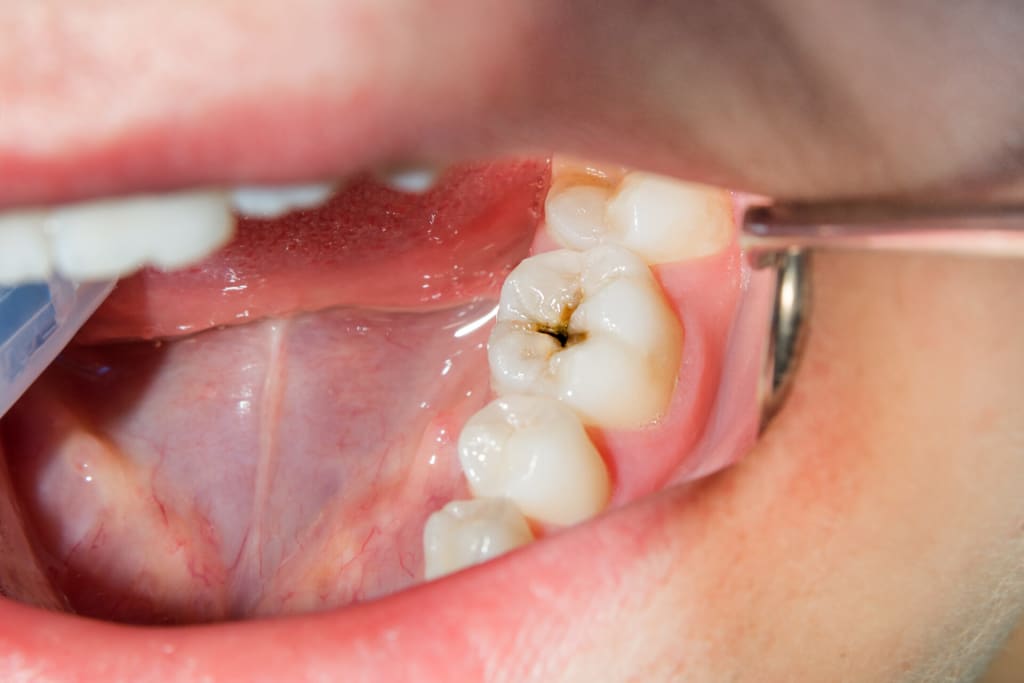
Tooth decay in simple terms, a cavity, is among the most prevalent dental problems in people of all ages. This, however, is puzzling because even with better oral care practices, the development of cavities continues to be a pressing problem that causes discomfort and other complications if not treated in time. Therefore, the sooner the first signs of cavity formation are detected, the more effective will be the preventive measures, and fewer teeth will be lost. Understanding the problems, their causes, and their solutions, enables one to take control of their oral health.
So, here is a comprehensive analysis of the issue of cavities and how to recognize a cavity in you - 7 signs, from the best dentist in Nagpur.
What Is a Cavity and What Causes it?
Essentially, a cavity refers to the destruction of the tooth surface resulting in an open space. Cavities are caused as a result of the breakdown of elemental tooth structures. Cavities will occur if the layers of the tooth are subjected to decay causing acids from bacteria in the mouth. In the absence of treatment, cavities will spread within the structures of the tooth to cause extreme pain, infection, or loss of the tooth.
The Main Causes of Cavities Include:
• Poor Oral Hygiene: Infrequent brushing and flossing leave the build-up of plaque and bacteria to weaken the teeth.
• Excessive Intake of Sugary or Acidic Foods and Drinks: Ingestion of high amounts of sugar or acidic foods and beverages feeds detrimental bacteria that eat away the enamel.
• Dry Mouth: Insufficient saliva diminishes the mouth's natural cleansing and buffering action, thus leading to decay.
• Genetic Factors: Some people tend to get cavities more easily than others because of weaker enamel or other heredity.
Why Do You Need to Start Recognizing Cavities Early?
Recognizing early signs of cavities can prevent major dental procedures, such as root canals or even extractions. Regular check-ups by a dentist and knowledge of the symptoms can ensure you have healthy teeth forever.
Here are the 7 signs to show that you have a cavity that you should never ignore:
1. Tooth Sensitivity to Hot or Cold
If sipping hot tea or eating ice cream causes discomfort, it may signify a cavity. Sensitivity occurs when the protective enamel is worn down, exposing the softer dentin underneath. The dentin contains tiny tubules leading to the tooth's nerve center, which reacts to temperature changes.
Mild sensitivity is often present with early-stage cavities, sometimes worsening over time. If this pain recurs frequently, it's high time to visit a dentist.
2. Continued Tooth Pain
The persistent or periodic suffering from toothache is one of the most prominent indications of a cavity. This kind of pain may be a dull ache or sharp, throbbing.
You might experience toothache when the decay reaches deep enough to irritate the pulp of the tooth, which contains nerves and blood vessels. Do not brush off any little pain; otherwise, it may lead to your tooth being damaged beyond repair.
3. Visible Holes or Pits in the Teeth
Cavities often create visible holes or pits in the affected tooth. These holes may be small dark spots or gaping, noticeable indentations that appear more obviously on the chewing surface of the molars.
While most cavities are not particularly noticeable to the naked eye, regular dental exams and X-rays can uncover hidden cavities before they become worse. In case you have a dark spot or a change in tooth appearance, have it checked up immediately.
4. Dark Stains or Discoloration
Discoloration, including dark spots and black or brown stains on the surface of a tooth, can be an indication of decay. These stains may begin small but can grow as the cavity advances.
However, discoloration does not always indicate a cavity. Still, it's worth being checked because sometimes it may simply be a stain from food or drink, while in other instances, it can herald a deeper issue.
5. Pain When Biting or Chewing
When the individual starts experiencing pain while biting or chewing, it may be a cavity symptom. The decay has weakened the tooth, and therefore, under pressure due to biting, the forces exerted on the particular area cause sensitivity to pain.
Pain may also suggest that the decay has structurally damaged the tooth. Addressing this problem early may spare this individual extensive restorative treatments.
6. Bad Breath or Unpleasant Taste
Decay causes persistent bad breath or an unpleasant taste in the mouth. As bacteria multiply in the decayed area, they release sulfur compounds that cause halitosis.
If brushing and rinsing have not solved the bad breath problem, it's worth investigating whether a cavity is the underlying cause. Treating the cavity improves not only oral health but also fresh breath.
7. Gum Swelling Near the Affected Tooth
Deep-rooted cavities can irritate the gums next to a tooth that swells, reddens, and even becomes tender. In extreme instances, an abscess forms, creating a pocket of pus in the gums.
Swollen gums adjacent to a particular tooth should never be neglected, as it may represent an advanced decay process requiring immediate dental care.
How to Avoid Cavities?
While spotting the signs of a cavity is very important, prevention is always better than cure. Here are some effective strategies to prevent cavities:
• Brush and Floss Regularly: Brush twice a day with fluoride toothpaste and floss once a day to remove plaque and food particles.
• Limit Sugary Foods and Drinks: Reduce the consumption of candies, sodas, and other sugary items, that feed bacteria.
• Stay Hydrated: Drinking water helps flush away food particles and maintains the flow of saliva.
• Professional Cleaning: See the dentist every six months for cleaning and early detection of potential problems.
• Dental Sealants: These are protective coatings applied to the chewing surfaces of molars to prevent decay.
When to Seek a Dentist?
Please see your dentist if you present any of these symptoms. Waiting too long before this could encourage more infection as well as decay, providing costly dental treatment procedures.
Even if you are not so sure about your symptoms, the best dentist in Nagpur would tell you to seek professional help. Early detection of cavities can be done by this proper examination; this allows effective treatment and saves your natural teeth.
Cavities might start as something small, but their impact on oral health can be significant if not treated. With knowledge of the 7 signs that tell you if you have cavity-tooth sensitivity, persistent pain, holes visible on the tooth, discoloration, pain while chewing, bad breath, and swelling of the gums-you can take proactive steps in protecting your smile.
Remember, timely action and routine dental care can make all the difference in maintaining a healthy, cavity-free mouth. Take care of your oral health and do not hesitate to consult the best Nagpur dentist for expert advice and treatment. A healthy smile is a reflection of overall well-being; keep it shining!
About the Creator
Enjoyed the story? Support the Creator.
Subscribe for free to receive all their stories in your feed.
Comments
There are no comments for this story
Be the first to respond and start the conversation.