
7 Fresh Landscaping Trends Giving Sydney Gardens a Modern Edge
Practical ideas for drought-smart, low-maintenance and stylish outdoor spaces
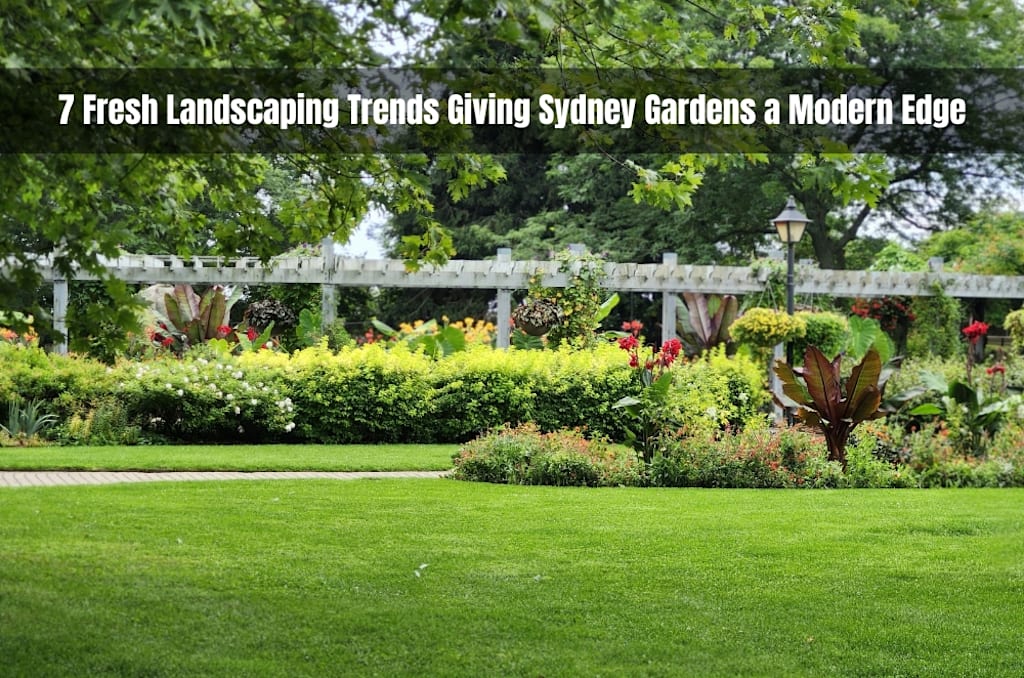
Sydney’s outdoor lifestyle means our backyards, courtyards and communal green spaces pull double duty. They have to look good from the street, cope with coastal weather swings and invite people to relax outside all year. If your garden design still revolves around a patch of lawn and a token lemon tree, it could be time for an upgrade.
Below are seven trends reshaping residential yards, strata grounds and new developments across the city—plus practical tips for weaving them into your own project.
Why Sydney Landscapes Are Evolving
Greater climate variability, tighter water rules and a renewed appetite for outdoor living have all nudged landscape design in new directions. Homeowners want spaces that feel like a private retreat but don’t need weekend-eating maintenance. Commercial managers, meanwhile, must meet safety and compliance requirements without blowing their budgets on constant upkeep.
Exploring a few innovative landscaping design ideas early in the planning stage helps ensure the finished space hits all those marks—function, aesthetics and resilience—while avoiding costly rework later.
1. Drought-Smart Planting Schemes
With Sydney’s rainfall increasingly unpredictable, designers are favouring species that shrug off dry spells yet thrive when the heavens open. Think native grasses, flowering grevilleas, westringias, kangaroo paws and sculptural succulents.
Practical tip: Group plants with similar water needs and install a drip-irrigation line beneath mulch. You’ll reduce evaporation, direct moisture to the root zone and comply with Level 2 restrictions if they return.
2. Lawns on a Diet
Turf still has its place—kids need a kick-about area and pets love a soft surface—but many yards are replacing broad lawn expanses with hardier, greener alternatives. Permeable gravel paths, recycled brick paving and living groundcovers such as dichondra or native violet create texture while slashing mowing hours.
Consider a “lawn island” design: a modest oval of high-quality turf framed by pavers or low planting. You keep usable grass without the water and fertiliser burden of a full backyard carpet.
3. Outdoor Rooms for All Seasons
COVID lockdowns reminded us how valuable private outdoor space can be. The result? Surge in alfresco kitchens, pergola-shaded lounges and fire-pit nooks that feel like an extension of the home’s interior.
Key considerations:
- Orient seating to capture northern winter sun and prevailing summer breezes.
- Use durable decking timbers or porcelain tiles rated for outdoor use.
- Add power and data points early for lighting, heaters and streaming nights under the stars.
4. Multi-Functional Vertical Elements
Sydney blocks keep shrinking, so designers are building upwards. Green walls, espaliered fruit trees against fences and tiered planter boxes maximise planting area without eating into floor space. On commercial sites, vertical screens double as privacy partitions and wind breaks for rooftop terraces.
DIY insight: Lightweight pocket planters filled with hardy herbs can turn a sun-baked wall into a kitchen garden with zero ground footprint.
5. Climate-Conscious Material Choices
Sustainability isn’t just a buzzword; it’s reshaping the materials schedule. Reclaimed railway sleepers, locally quarried sandstone and recycled composite decking tick both eco and design boxes. Permeable surfaces—such as resin-bound gravel—also reduce storm-water runoff and ease pressure on Sydney Water infrastructure.
Before ordering, check that reclaimed timbers are free from contaminants and treated for termites; older hardwood can leach if left unsealed.
6. Smart Tech Meets the Garden
From Wi-Fi-enabled irrigation controllers that adjust schedules after rain to low-voltage LED path lighting triggered by motion, smart systems are quietly making landscapes more efficient and secure. Some strata complexes even use sensor-driven moisture probes to send service alerts to maintenance teams.
Budget tip: Start with a single hub (for example, a Bluetooth tap timer) and add modules—lighting, weather stations, soil sensors—over time.
7. Design for Bushfire Resilience
Many Sydney suburbs sit within bushfire-prone zones. New builds and renovations must consider ember resistance, defendable space and plant selection. Non-flammable hard surfaces around the home’s perimeter, low-oil native shrubs and widened garden beds that double as firebreaks are becoming standard inclusions in professional design briefs.
For official guidelines, consult the NSW Rural Fire Service’s Planning for Bush Fire Protection document before finalising plant lists or layout.
When to Bring in a Landscaping Professional
Inspirational Pinterest boards can kick-start creativity, but translating ideas into a compliant, cost-efficient build often needs specialist input. Professionals can:
- Navigate council regulations on tree removal, permeable surface ratios and drainage.
- Produce scaled plans that integrate irrigation, lighting and structural elements safely.
- Source high-quality plants at trade prices and stage installation to suit seasonal conditions.
Engaging an expert early usually saves money in the long run by preventing design clashes and reducing material waste.
Final Thoughts
Landscaping trends come and go, yet the core goal remains: create an outdoor space that looks great, feels welcoming and stands up to Sydney’s climate. Whether you opt for a modest refresh or a ground-up redesign, consider water use, material lifecycle and how the space will serve you year-round. With clear priorities and a dash of creativity, your garden can be both a sanctuary and a sound investment.
About the Creator
Enjoyed the story? Support the Creator.
Subscribe for free to receive all their stories in your feed.
Comments