
6 Reasons Why Retinal Screening Photography Is a Must for Eye Health
Eyes on Brickell
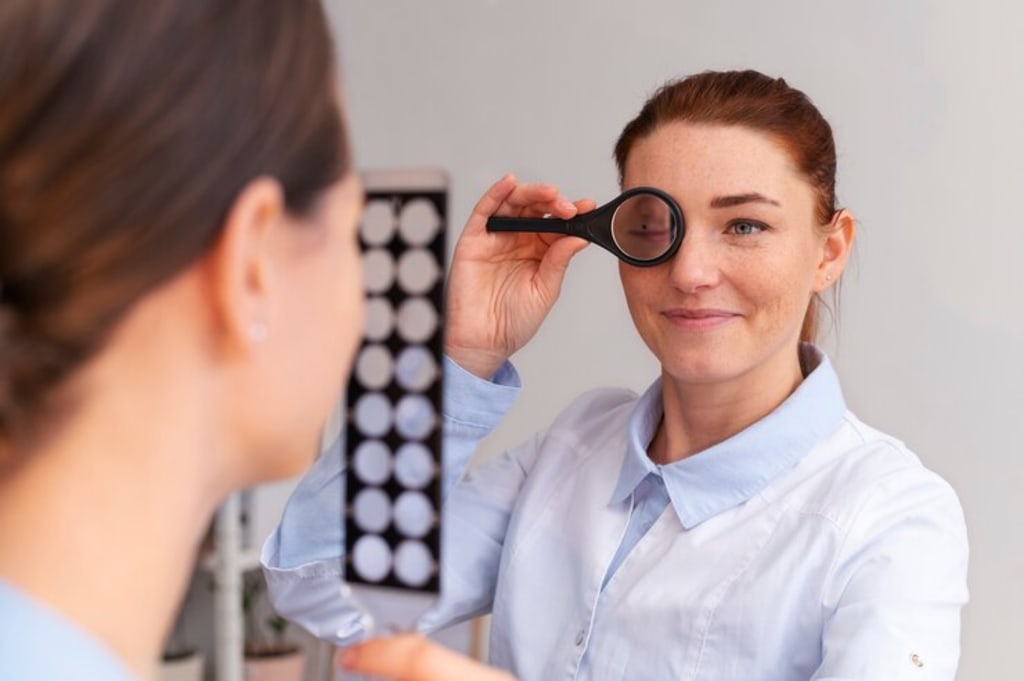
Good vision is essential for daily life, but many eye issues develop silently. Regular check-ups are crucial for protecting eyesight. Retinal screening photography offers a modern, non-invasive way to monitor eye health. It captures high-resolution images of the retina, revealing potential problems early. This method is fast, accurate, and helps diagnose various conditions. Moreover, it benefits not only your eyes but also overall health. In this blog, we’ll explore six reasons why retinal screening photography is essential. From early disease detection to preventing vision loss, this technology plays a vital role in maintaining healthy eyes.
Early Detection of Eye Diseases
One of the most significant benefits of digital retinal photography is the early detection of eye problems. Glaucoma, retinopathy caused by diabetes, and macular degeneration frequently present without symptoms at first. Without prompt diagnosis, these disorders can result in significant visual loss. Retinal screening produces detailed photographs of the retina, making it simpler to discover these abnormalities early on. Early detection enables doctors to offer appropriate treatment options before the illness worsens. Furthermore, addressing issues early can preserve not only vision but also long-term medical bills. This technology ensures that minor changes in eye health don’t go unnoticed.
Non-Invasive and Quick Procedure
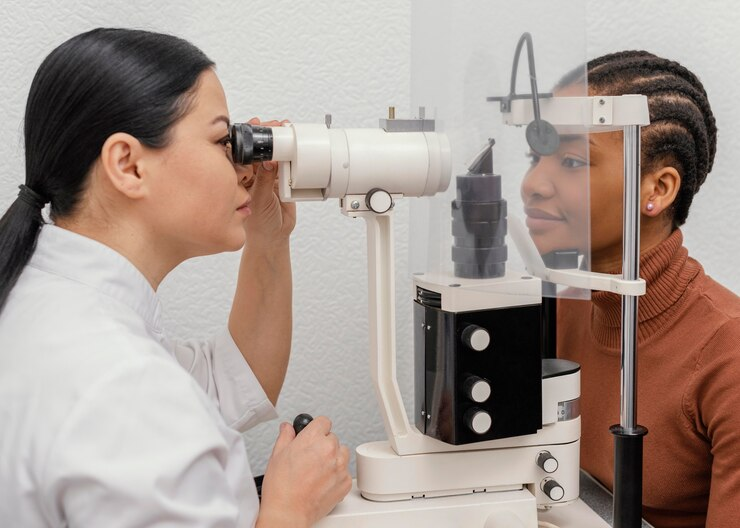
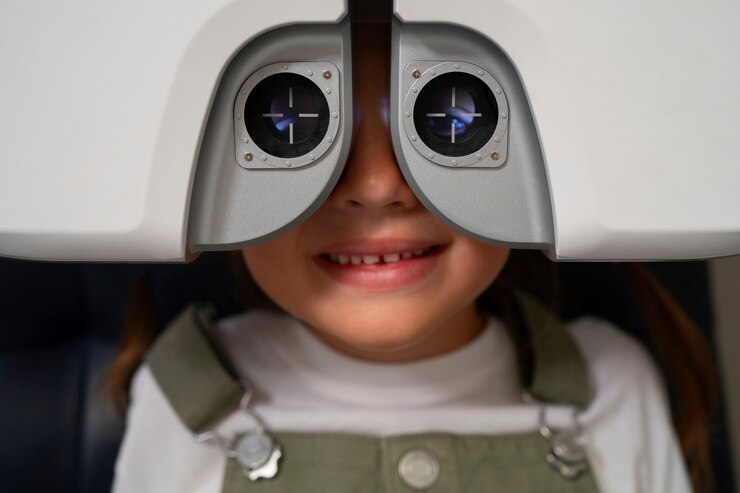
Fear of discomfort prevents many people from getting eye exams. Retinal screening photography provides none of this concern. The whole process is non-invasive and pain-free. It just means sitting in front of a camera that captures detailed images of the back of your eye. It’s a swift process and usually takes no more than 10 minutes. Most importantly, this does not involve the drops for dilation needed in traditional approaches. This convenience makes it easier for people to schedule regular screenings. Furthermore, it’s suitable for people of all ages, ensuring everyone can benefit from accurate eye health assessments.
Monitors Chronic Conditions
Retinal screening is more than merely identifying eye-specific disorders. It also has an important role in managing chronic health issues. Diabetes and hypertension are two diseases that frequently induce alterations in the retina's blood vessels. Regular screenings can detect these changes, allowing doctors to adapt therapies accordingly. Diabetic retinopathy, for example, is a frequent diabetes consequence that can be treated early. Doctors can identify possible consequences by studying how chronic illnesses affect your eyes. Furthermore, it gives patients a clear picture of their health progress. This ensures both eyes and general health stay on track.
Improves Diagnostic Accuracy
Retinal screening photography provides high-resolution images, offering unparalleled detail of the retina. This level of accuracy is essential for diagnosing complex eye conditions. Traditional methods may overlook subtle changes, but retinal imaging captures even the smallest abnormalities. Doctors can zoom in on specific areas to get a clear understanding of what’s happening. Moreover, these images can be saved for future comparisons, making it easier to track changes over time. With accurate information, treatments become more targeted and effective. Besides, this reduces the chances of misdiagnosis and ensures patients get the care they truly need.
Prevents Vision Loss
Losing vision can significantly impact quality of life. Digital retinal photography helps prevent this by catching problems before they cause irreversible damage. The majority of eye diseases have a gradual and insidious course, but early treatment can be critical. “Certain types of conditions, such as glaucoma, are manageable if picked up early on.” Furthermore, doctors can recommend lifestyle changes or treatments to prevent disease progression by spotting the risks early. In addition, routine exams ensure your peace of mind, confident that your vision is regularly being monitored. In the long run, this simple procedure can preserve sight and enhance overall well-being.
Offers Insights Into Overall Health
Interestingly, retinal screening photography doesn’t just reveal eye conditions. It also provides insights into your overall health. The retina’s blood vessels often show early signs of systemic issues like high blood pressure or cardiovascular disease. Doctors can use these images to detect such problems and recommend further tests. Additionally, the procedure can help monitor conditions like stroke risk or autoimmune diseases. By combining retinal imaging with other health assessments, patients receive a more comprehensive understanding of their health. Lastly, this makes retinal screening an essential part of preventive care for not just your eyes, but your entire body.
Conclusion
Retinal screening photography is a powerful tool for protecting your eyes and overall health. Its ability to detect diseases early, provide detailed imaging, and monitor chronic conditions makes it invaluable. Moreover, the procedure is quick, non-invasive, and easy for patients. Regular screenings prevent vision loss and offer peace of mind. What’s more, they help identify systemic health problems that may go unnoticed otherwise. Incorporating retinal screening into your routine check-ups is a smart step toward better health.
Don’t wait until it’s too late—schedule your retinal screening today at Eyes on Brickell. Call us at +1 786-801-1335 or book your appointment today!
About the Creator
Eyes on Brickell
Experience the latest in eyewear technology with Miami Optical. Eyes On Brickell have collection of designer frames and lenses are carefully selected to provide you with the best in style and functionality.
Enjoyed the story? Support the Creator.
Subscribe for free to receive all their stories in your feed.
Comments
There are no comments for this story
Be the first to respond and start the conversation.