
5 Sleep Hacks Every Side Sleeper Should Know
Getting quality sleep as a side sleeper isn’t always as simple as lying down and dozing off.

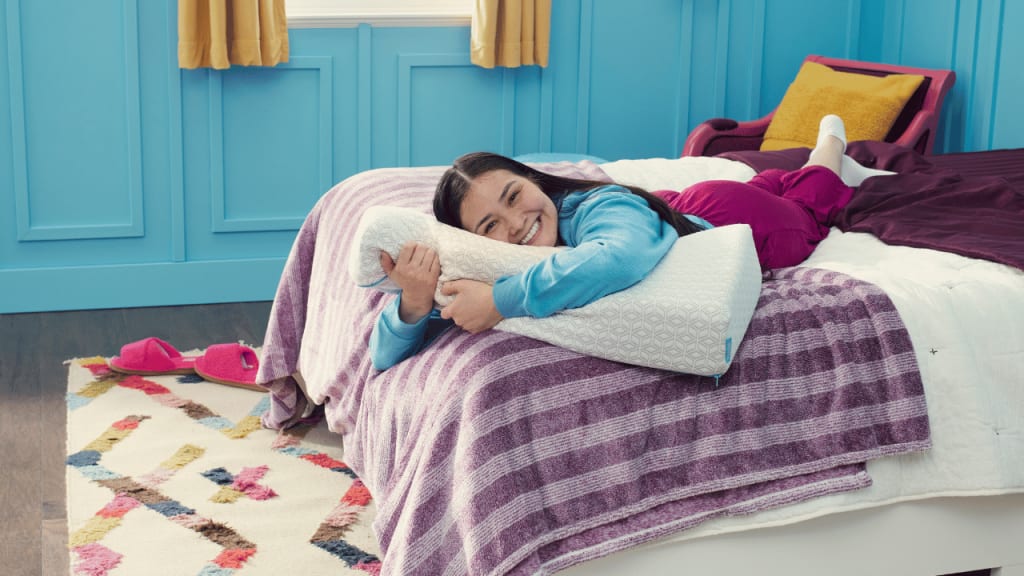
Side sleeping, while one of the most popular sleeping positions, comes with its unique set of challenges. If you’ve ever woken up with a stiff neck, sore shoulder, or lower back pain, your sleeping posture might be part of the problem. However, with the right strategies, you can improve both comfort and the health benefits that come with side sleeping. Here’s how you can maximize your rest with a few essential hacks tailored specifically for side sleepers.
1. Choose the Right Pillow for Alignment
One of the most crucial factors in ensuring a good night’s sleep as a side sleeper is using the right pillow. Side sleepers need firm support that keeps their spine in a neutral position. Unlike back or stomach sleepers, side sleepers create a gap between their head and the mattress that needs to be filled to avoid neck strain. A good side-sleeper pillow, such as those offered by Pillow Cube, is designed to support the natural curve of your neck and keep your spine aligned.
Memory foam pillows or those with adjustable fill are excellent choices because they contour to your head and neck, providing personalized support. Avoid pillows that are too soft or too flat, as they won’t offer the support you need. A well-supported head and neck prevent waking up with pain and ensure your muscles can fully relax throughout the night.
2. Adopt the ‘Fetal Position’—But Looser
Many side sleepers naturally gravitate toward the fetal position, where the legs are curled up toward the chest. This position can be beneficial as it supports the natural curvature of the spine. However, it’s essential to adopt a relaxed version of this posture to avoid potential drawbacks.
When you curl up too tightly, you can strain your back and restrict your breathing. Instead, keep your posture loose. Your knees should be bent but not drawn up excessively. A relaxed fetal position keeps your spine aligned and reduces pressure on your lower back. For added comfort and support, consider placing a pillow between your knees. This simple addition helps prevent your upper leg from pulling your spine out of alignment, reducing the risk of hip and lower back pain.
3. Invest in a Body Pillow
Body pillows are often associated with pregnancy, but they offer significant benefits for any side sleeper. These long, supportive pillows provide a versatile solution to maintain proper posture throughout the night. Hugging a body pillow keeps your arms in a neutral position, reducing tension in your shoulders. This can be particularly helpful if you frequently wake up with sore shoulders or numb arms.
Additionally, placing the lower part of the body pillow between your knees helps maintain the alignment of your hips and spine. This prevents your upper leg from rotating forward, which can twist your spine and cause discomfort. With a body pillow, you’re less likely to toss and turn, as it provides stability and comfort throughout the night.
4. Sleep on the Left Side for Health Benefits
Did you know that the side you choose to sleep on can impact your overall health? Sleeping on your left side offers several benefits, particularly for digestion and circulation. When you sleep on your left side, gravity helps move food through your digestive system more efficiently, reducing the risk of acid reflux and heartburn. This position allows your stomach to rest naturally and prevents the backflow of stomach acids into the esophagus.
Sleeping on the left side can also improve circulation. It helps relieve pressure on the vena cava, the large vein that carries blood back to your heart. This is especially beneficial for pregnant individuals or those with heart conditions. By choosing your left side, you’re giving your body a helping hand in maintaining healthy circulation and digestion.
5. Stretch Before Bed
Tension and tight muscles can make it difficult to get comfortable, especially for side sleepers. Incorporating simple stretches into your bedtime routine can help relax your muscles and prepare your body for sleep. Focus on gentle stretches that target your neck, shoulders, and lower back.
Try doing a few shoulder rolls or gentle neck stretches to release tension in the upper body. Child’s pose is another excellent stretch for side sleepers, as it loosens up the lower back and hips. By relaxing your muscles before bed, you’re less likely to experience discomfort during the night. Plus, stretching helps signal to your body that it’s time to wind down, making it easier to fall asleep.
Implementing these hacks can transform your sleep experience as a side sleeper. From choosing the right pillow to adopting a relaxed sleeping position and incorporating stretches, these simple changes can help you wake up feeling refreshed and pain-free. Remember, the right pillow is more than a comfort item—it’s an investment in your health.
About the Creator
Pillow Cube
Pillow Cube is redefining sleep for side sleepers with its ergonomic, cube-shaped design. Goodbye awkward pillow folding, hello ultimate comfort. Perfect for deep sleep or TV show binges, Pillow Cube is your sidekick for better rest!
Enjoyed the story? Support the Creator.
Subscribe for free to receive all their stories in your feed.
Comments
There are no comments for this story
Be the first to respond and start the conversation.