
5 Mistakes That Are Letting Animals Destroy Your Backyard Garden
Keeping Critters from Your Yard

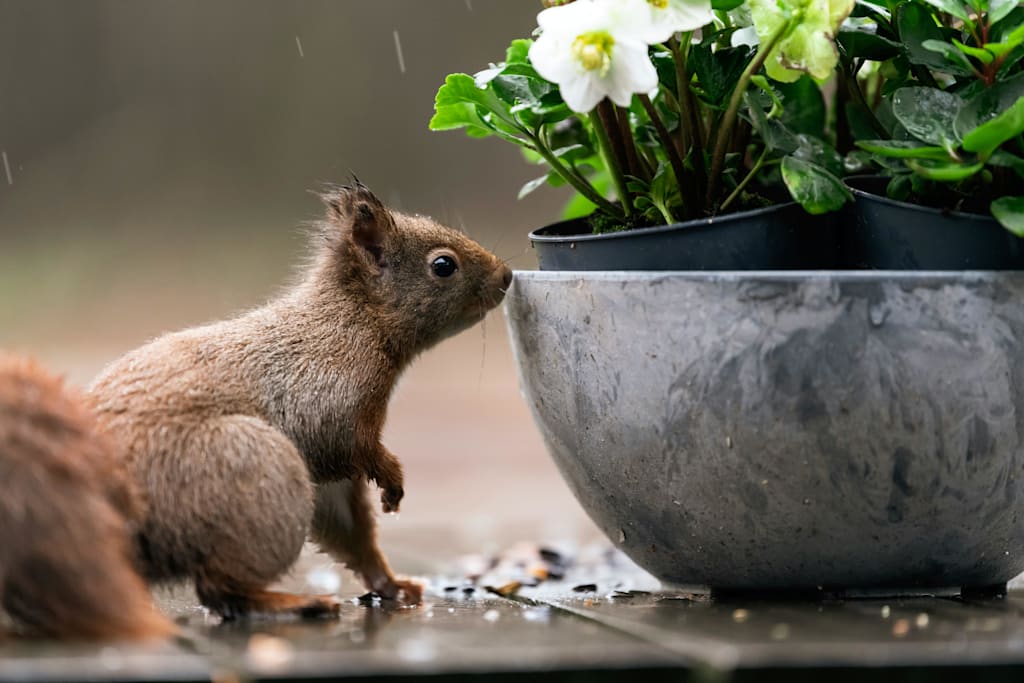
Nobody likes to see their work wrecked. Your garden space might be carefully planned and meticulously tended, but without effort to secure it from wildlife, you’re making an unpleasant morning surprise inevitable. You can’t fight Mother Nature.
You can, however, work with Mother Nature to create a harmonious environment that protects your precious plants while respecting animals of both the pet and wild varieties. Here are some ways that chaos can creep into your garden in the form of marauding fauna, and a few tips on how to push it back.
1. Creating a Woodland Buffet
To you, it’s a carefully-tended vegetable garden, beautiful and crafted with love. To a woodchuck, it’s lunch. Critters are notoriously bad at respecting the boundaries of your property, and without proper precautions, your plot is nothing but munchies for Bambi and Thumper.
The worst version of this happens when predators are around. To a coyote or wolf, your smaller pets aren’t beloved friends and companions. Instead, they’re a quick snack. If you’re going to leave animals wandering in a yard untended, you need to take special care to keep danger away.
Whatever the case, though, the easy and time-honored solution is some solid animal fencing. Whether you get thick polypropylene or hot dip galvanized steel, you’ll need to pay attention to a lot of factors, including opening size and any coatings you want.
Of course, you also want to make sure the fence is invisible enough to still give you the view you want; it doesn’t make a lot of sense to destroy your enjoyment of your land in order to keep out a couple of gophers.
2. Coming Up From the Underground
Speaking of gophers, some of our furry friends have methods of travel that bypass surface measures. Groundhogs, moles, raccoons, and possums, among others, are all capable of going under the stoutest wall. Add in our beloved dogs and cats, who are both capable of finding weak spots in our coverage and making a quick hole.
Preventing digging is mostly a matter of going underground yourself. You’ll want to stake the fence to the ground so that the animals can’t just nose their way in. Another trick is to put some fencing under the dirt, shallowly. When a dog or cat digs a bit close to the barrier and finds more fence, much of the time, they will abandon the project.
3. Up, Up, and Away
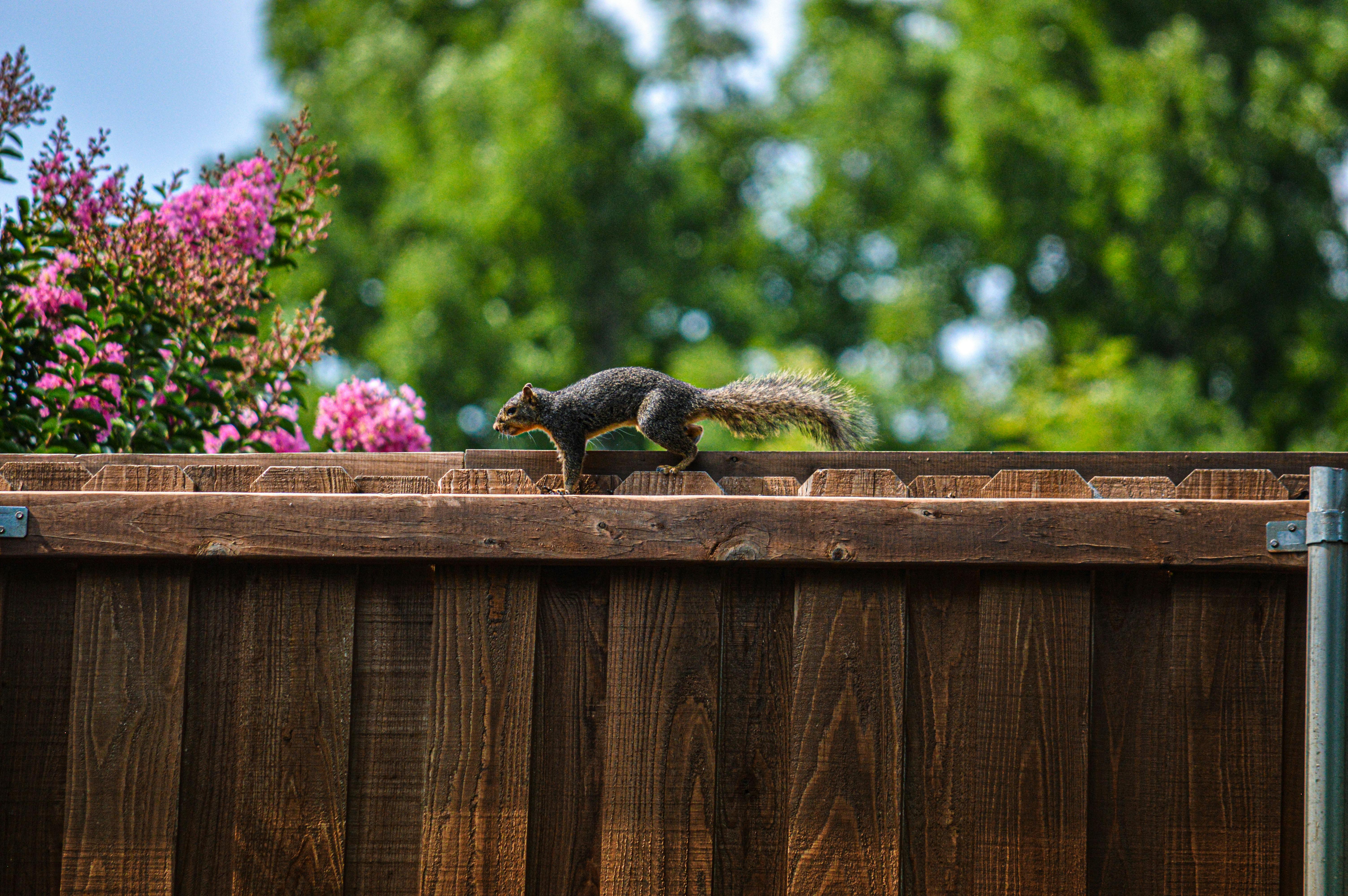
Plenty of critters move in from the opposite direction as well. Cats, dogs, raccoons, squirrels, and skunks are only a small assortment of nature’s best climbers, and other kinds of wildlife can jump like Olympians. Even snakes can slither up a barrier if other avenues are closed off.
The first defense against an aerial assault is height. Going back to the serpent family, your friendly neighborhood garter snake can support up to a third of its body length. Animals like deer and foxes have maximum jump heights, sometimes as much as seven feet. Find out what kinds of beasties live in your area, and make sure your fence is higher. Simple.
The next obstacle is climbing. Some people resort to measures like razor wire or spikes to make the attempt fatal for any who dare try, but we’re not really fans of letting things get that extreme. Instead, you might look into higher-quality fences with flexibility and extenders that pull pets and other critters off your walls without harming them, sparing you the grisly sights that harmful solutions will produce.
4. Does This Fence Taste Funny to You?
If you search for them, there are plenty of solutions on the market to keep animals out and pets in without a physical barrier. They range from scent markers to ultrasonic noisemakers to electric collars. Do they work?
Eh, sometimes.
Non-barrier deterrants cover a lot of ground and therefore have a variety of advantages and drawbacks. One big issue is that they are almost never permanent. While your fence could still be standing intact after a couple of decades, your urine spray will have long since washed away – and frankly, who wants to be smelling that stuff for years anyway?
If you want an extra deterrent that keeps animals away from your fence, consider coating the barrier itself. There are lots of options for substances that will make critters reconsider if it’s worth chewing through. Be careful to find one that is non-toxic, though, or you’ll find yourself with bigger problems than an empty garden.
5. Keeping Up with the Critters
A lot of commercial fencing leaves something to be desired in terms of quality. As with all things, you get what you pay for here. A cheap fence will suffer from the elements, the cycle of the seasons, and the actions of chewing vermin and other unwelcome animal guests.
If you want to keep rodents out of your crops (and trust me, you do), you should consider a doubled fence layer at ground level. Reinforced overlapping mesh makes it hard both to squeeze through and to chew. While some animals are persistent, the greater difficulty will repel the lion’s share.
However, the best fence strategy can erode over time. Pay attention to the lifespan of your fence, and regularly inspect and make repairs. A patch now can save you a headache later.
If all of this sounds like a lot of work, relax. It doesn’t have to be. As long as you’ve made a solid plan and invested in keeping your plot safe, none of these hazards need to destroy your work. Just take a moment, think it over, and make sure you’re making the right moves to keep your garden growing in perpetuity.
About the Creator
Andrew Lemieux
Andrew is a creative writer, poet, and content strategist. He is passionate about literature, food, wine, travel, and sports. In his spare time he enjoys working on home projects and restoring the 1837 Greek Revival he and his wife own.
Enjoyed the story? Support the Creator.
Subscribe for free to receive all their stories in your feed.
Comments
There are no comments for this story
Be the first to respond and start the conversation.