
5 Light Weight Training Exercises for Weight Loss
Incorporating Light Weight Training into Your Weight Loss Journey
Introduction:
When it comes to weight loss, many people tend to think that intense cardio workouts or heavy lifting are the only effective options. However, lightweight training exercises can also play a significant role in achieving your weight loss goals. Incorporating these exercises into your fitness routine can help you burn calories, increase your metabolism, and build lean muscle. In this article, we will explore five light weight training exercises that are perfect for weight loss. 1. Squats:

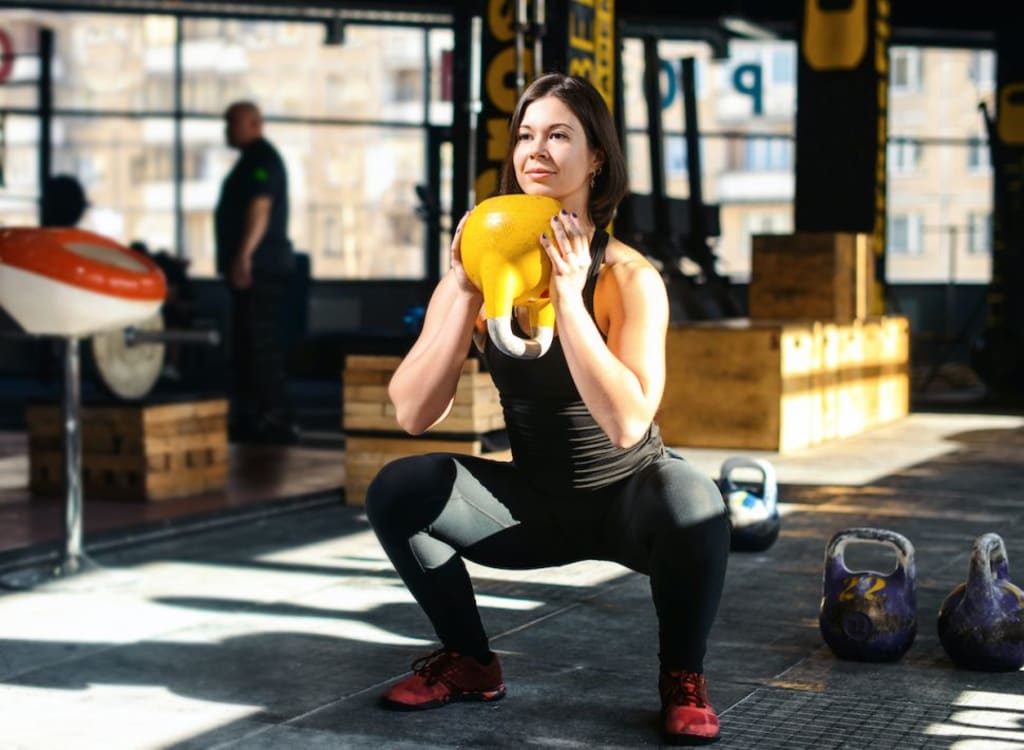
Squats are an excellent full-body exercise that primarily targets your lower body muscles, including your glutes, quadriceps, and hamstrings. They also engage your core muscles for stability. To perform a squat, stand with your feet shoulder-width apart, lower your body by bending your knees, and push your hips back as if you are sitting into an imaginary chair. Keep your chest lifted, and ensure your knees do not extend beyond your toes. Squats not only burn calories but also help build muscle, leading to increased metabolic rate even after your workout. 2. Lunges:

Lunges are another fantastic lightweight exercise that engages multiple muscle groups, including the glutes, quadriceps, hamstrings, and calves. Begin by standing with your feet hip-width apart, step forward with one foot and lower your body until both knees are bent at a 90-degree angle. Push back up to the starting position and repeat on the opposite leg. Lunges help improve balance, stability, and coordination while toning your lower body. By incorporating lunges into your routine, you can boost calorie burn and sculpt your muscles. 3. Push-Ups:

Push-ups are a classic bodyweight exercise that targets multiple muscle groups, primarily the chest, shoulders, triceps, and core. Start in a plank position with your hands slightly wider than shoulder-width apart, lower your body by bending your elbows, keeping them close to your sides, and then push back up. If traditional push-ups are too challenging, you can modify them by performing them on your knees or against a wall. Push-ups not only help burn calories but also improve upper body strength and posture. 4. Plank:

The plank is a simple yet highly effective exercise for strengthening your core muscles, including the abs, back, and shoulders. To perform a plank, start in a push-up position, resting your forearms on the ground and keeping your elbows aligned with your shoulders. Engage your core, keeping your body in a straight line from head to toe. Hold this position for as long as you can, aiming to increase your endurance over time. Planks not only work your abdominal muscles but also improve posture and stability, leading to a stronger and leaner physique. 5. Resistance Band Exercises:

Resistance bands are lightweight and versatile tools that can add an extra challenge to your workouts. Incorporating resistance band exercises into your routine can help tone and strengthen various muscle groups while promoting weight loss. You can perform exercises such as bicep curls, shoulder presses, lateral raises, or standing rows using resistance bands. These exercises engage your muscles against the resistance provided by the bands, leading to increased calorie burn and muscle definition. Conclusion: Lightweight training exercises can be just as effective as intense cardio or heavy lifting when it comes to weight loss. The key is to challenge your muscles, increase your heart rate, and maintain consistency in your workout routine. Incorporating exercises like squats, lunges, push-ups, planks, and resistance band exercises will not only help you shed unwanted pounds but also improve your overall strength, endurance, and body composition. Remember to consult with a fitness professional or your healthcare provider before starting any new exercise program, especially if you have any underlying health conditions. Stay committed, stay motivated, and enjoy the journey to a healthier and fitter you!
About the Creator
Enjoyed the story? Support the Creator.
Subscribe for free to receive all their stories in your feed.
Comments
There are no comments for this story
Be the first to respond and start the conversation.