
5 Home Remedies For Gastric Pain And How They Work
Best Tricks
Best Home Remedies Book Get It Here
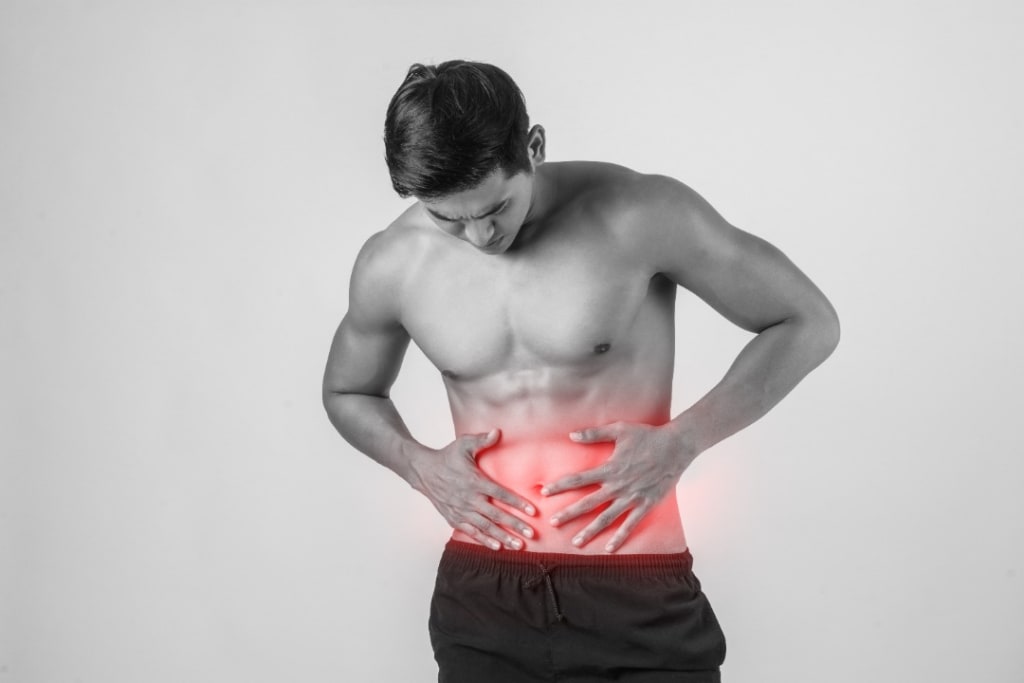
6 Natural Remedies for an Upset Stomach
After you've had your fill of seasonal sweets or too much to eat, you may need to find a quick way to rebound and recover from an upset stomach. The good news is that you don't necessarily have to pop some Tums or take medicine to feel better. In fact, there are quite a few natural remedies for stomach aches.
Wondering what will get rid of an upset stomach fast? Here are six ways to ease your pain naturally.
1. Ginger
If you don't mind its intense flavour, ginger can be a great natural remedy for a stomach ache. This plant root has been shown to help ease mild nausea and vomiting, and it's been used for this -- and to slow inflammation -- throughout human history.
Even if you don't like the intensity of ginger on its own, there are other ways to consume it and get its benefits. From chewable tablets to drinking ginger ale, it's easy to find an option you'll enjoy.
2. Herbal tea
If you have a nighttime stomach ache after a major candy binge, herbal tea may be a good choice. These non caffeinated beverages won't keep you up late and can calm your nerves while easing your stomach pains.
Peppermint teas and oils are well known to fight nausea, and simply inhaling the vapors from peppermint oil can provide relief. Chamomile tea is a digestive relaxant that will help take the edge off. Licorice root can aid in digestion and relieve stomach pains, and it's easy to consume as a tea.
3. Bland foods
When your stomach is overstimulated, you may need to eat something that will calm it down. The last thing you want to do is cook up anything spicy, greasy or fatty, as that will likely kick your stomach ache into overdrive.
Instead, stick to the basics. Bland, simple foods such as toast, rice and bananas aid in digestion and won't further upset your stomach.
4. Seltzer water
Although sugary soda isn't a good idea for dealing with an upset stomach, plain seltzer water can be a good remedy for stomach pain. Studies have shown that it can help relieve indigestion, constipation and other digestive issues. If you don't enjoy the bland flavour of plain seltzer water, try a naturally flavoured (but unsweetened) option to ease your stomach pain.
In many cases, plain tap water can also help ease digestive pain and nausea symptoms. If you're dehydrated after all that grub, try drinking a few glasses of water to rehydrate and get your gut moving again.
5. Apple cider vinegar
This is a stronger remedy, and apple cider vinegar is fairly potent and sour on its own. However, it's an extremely effective cure for a stomach ache, so it's worth looking to see if you have some in your pantry. Mix one or two tablespoons with water or juice to make it more palatable.
6. Heating pad
It isn't something to consume, and that's why it might even be your best option after a night of overdosing on candy. Placing a heating pad on your stomach can relax the muscles in your abdomen and help get things moving through your bowels, making it a comforting remedy for stomach pain. A hot shower can have a similar effect, as well.
Keep in mind, though, that if you experience prolonged vomiting or can't keep food or water down the next day, it's probably time to see a doctor.
The information contained in this article is for educational and informational purposes only and is not intended as health or medical advice. Always consult a physician or other qualified health provider regarding any questions you may have about a medical condition or health objectives.
9 possible causes for stomach pain and how to treat them
You may have heard the sayings, “Trust your gut” or “Listen to your gut instinct,” and there’s a reason for them. Our stomachs are our second brains. When something is up, just like your brain, your stomach is going to let you know.
When you’re hungry, it growls. When you’re full, it gurgles. When you’re nervous, it flips. But what do you do if your stomach is clearly saying, “Ouch, help!”?
“The causes of stomach pain can be difficult to pinpoint because there are so many conditions that can contribute, from the very common to the very rare and everything in between,” said Joel Cooper, DO, a family medicine physician at Banner Urgent Care. “Most cases of stomach pain aren’t serious, but a few can be, so it’s always good to get checked out by your doctor.”
Let’s face it, there’s a lot going on in the world today that can wreak havoc on our gut — and our brain. Dr. Cooper shared some of the most common causes for stomach aches and how to take care of them.
1. Food poisoning
Are you regretting eating Aunt Sarah’s famous potato salad at the summer picnic? Food poisoning is a common, yet painful problem. According to the Centers for Disease Control and Prevention (CDC), nearly 48 million Americans get sick each year from food poisoning.
You can get food poisoning after eating spoiled food (like Aunt Sarah’s sun-soaked potato salad) or drinking something that has been contaminated by bacteria, parasites or viruses. You may experience stomach cramps, diarrhoea and vomiting. But food poisoning is usually transient, meaning it typically clears up in 24 hours or less.
How to treat
“The most important thing is to stay hydrated,” Dr. Cooper said. “And you’ll also want to get plenty of rest as you ride it out. If things don’t get better, call your doctor.”
2. Indigestion
There’s not always an obvious reason for indigestion, but for most people it’s a result of eating or drinking too much too soon, eating spicy or high-fat foods and eating during stressful situations. Being tired or stressed, smoking and drinking caffeinated or carbonated beverages can also contribute or make it worse.
How to treat
We all have indigestion at times, but usually it isn’t serious. Time and giving your poor stomach a rest usually heals it. If you’re having persistent indigestion, however, you’ll want to check in with your doctor.
3. Constipation
What happens (or doesn’t) happen in the bathroom is your business. But when “business is slow” down below, it can be uncomfortable and even a bit painful. If you’re constipated, you may have a feeling of being bloated and full, and your abdomen may even look visibly swollen. It happens most often due to changes in your diet or routine, from certain medications or stress.
How to treat
“Constipation can range from intermittent and non-serious to severe,” Dr. Cooper said. “There are some things you can do at home to remedy it, but if you’re experiencing pain or rectal bleeding, you’ll want to see your doctor.”
4. GERD
Occasional heartburn is nothing to worry about, but chronic heartburn, known as acid reflux or gastroesophageal reflux disease (GERD) can really burn. Too much acid in your stomach can cause a host of issues, including burning in your chest, having a sour taste in your mouth, a sore throat and a dry cough.
How to treat
For minor issues, antacids and proton pump inhibitors like Prilosec can be helpful, but if you’re still having symptoms for a couple weeks, you’ll want to see your doctor. “It’s important to see your doctor because too much acid that refluxes upward can set the stage for Barrett’s esophagus, which can increase your risk for developing esophageal cancer,” Dr. Cooper said.
5. Lactose intolerance
Some people just can’t stomach milk. When they do, they may suffer from gas, bloating, pain and diarrhea. Symptoms can vary based on the amount of lactose you’ve had and the amount of lactase your body produces.
How to treat
Fortunately, today, there are whole sections of the dairy aisle dedicated to alternative milks giving those with lactose intolerance a lot to cheer about these days. You may also want to visit with your doctor just to get confirmation and rule out any other digestive issues.
6. Appendicitis
If you’re experiencing sharp pain in your lower right abdomen that may have started at your belly button and has migrated down and to the right over several hours, you may have appendicitis. Appendicitis happens when the appendix gets inflamed and filled with pus, often from an infection.
“A common finding with appendicitis is a ‘hamburger sign’ or loss of appetite, especially for food one normally loves and relishes,” Dr. Cooper said. “You may also experience a fever, vomiting and distinct pain in the lower right abdomen when traveling over bumps and potholes in a car.”
How to treat
Appendicitis often requires surgery before the appendix ruptures. If your pain is persistent and comes on suddenly, you should see a doctor immediately.
7. Gynaecological
Females may suffer unique types of stomach pain, although typically pain is in the lower abdomen or the pelvis. Sometimes the pain may be due to menstruation or ovulation while other times it may signal something more serious like a urinary tract infection, a ruptured ovarian cyst or an ectopic pregnancy.
How to treat
While OTC medicine and a warm compress can help relieve some minor menstrual cramping, if you’re experiencing persistent stomach pain or painful cramping before or during your period, consult your OBGYN or primary care physician.
8. IBS
If irritable bowel syndrome (IBS) is the cause of your stomach pain, it may get worse after you eat or if you’re stressed. Symptoms of IBS may include diarrhea or constipation, bloating and cramping, but they will not cause bleeding or weight loss. You may experience it in your lower abdomen but sometimes all over the belly.
How to treat
Symptoms can usually be controlled by managing what you eat, your stress level and lifestyle. If you’re experiencing weight loss, fatigue and notice blood in your stools, you’ll want to see your doctor. This could be a sign of an inflammatory bowel disease, such as Crohn’s disease or ulcerative colitis.
9. Gallbladder
If you find yourself doubled over in pain after eating a fatty meal, you may be experiencing a gallbladder attack. “While problems with the gall bladder usually present in the upper right part of your abdomen, many people experience stomach pain,” Dr. Cooper said. The pain becomes worse after eating and may come and go, becoming more constant and severe over time.
How to treat
If you’re experiencing symptoms of a gallbladder attack, schedule an appointment with your doctor to get evaluated.
Final Takeaway
“Remember your stomach is your second brain; respect it,” Dr. Cooper said. “Be kind to your stomach, and chances are – at least most of the time – it’ll be kind to you.”
While tummy troubles are normal from time to time, certain symptoms shouldn’t be ignored. If there’s been significant changes or worsening of your symptoms or you have pain accompanied with black, tarry stools or vomiting of blood, contact your doctor right away. To find a Banner Health doctor near you, visit bannerhealth.com/eastmorgan or call 970-842-6262 to schedule an appointment today.
7 Home Remedies to Fight Constipation for Diabetic Patients
Constipation is one of the leading causes of chronic pelvic pain in women, but it’s one of the medical secrets that we don’t talk about. It’s not like you ask a friend about her bathroom habits the same way you’ll remind her to get her mammogram. Unfortunately, chronic pain from constipation can lead to a horrible quality of life and lots of private suffering.
Women with Diabetes & Constipation
© Provided by Prime Women Media Woman sitting on the toilet constipated
Women with diabetes are more likely to face a triple hazard regarding constipation. First, all women experience constipation more often than men; it’s related to the role of hormones and their impact on our digestive system. Secondly, people with diabetes (especially those who have lived with diabetes for a while) may have nerve damage related to diabetic neuropathy through the GI tract. Finally, relief isn’t as easy as popping a laxative because most laxatives are high in sugar and can make diabetic neuropathy worse in the long term.
When you’re experiencing bloating, stomach pain, sour breath, and just all the general distress that comes from being constipated, you need relief as soon as possible. On the bright side, there are several home remedies to treat (and even help prevent) constipation in diabetic patients. Choose the treatments that work best for you and your situation; many of these can be found in your average drug or health food store. Just be sure to consult with your primary care doctor or endocrinologist to ensure these will help you out.
1. Exercise regularly but moderately.
Contrary to popular belief, regular exercise won’t always relieve constipation. In fact, vigorous physical activity may actually increase symptoms because it leads to more bowel movements. On the other hand, moderate aerobic activity—such as brisk walking or cycling—has been shown to help manage diabetes and relieve constipation.
2. Stretch it Out
© Provided by Prime Women Media Women doing yoga
Several yoga poses have been shown to help manipulate the digestive tract and alleviate constipation symptoms. The poses don’t have to be super aggressive; here are some chair yoga poses that can help with stretching your body out.
3. Try a Toilet Stool
Several studies have found that using a toilet stool to raise your legs into a squat position may help constipation. One important note that the studies found when using a toilet stool is to get the right height for your body. It’s all about the squatting position because it can help relax your body and physically make it easier to get things moving.
4. Eat High-Fiber Foods
© Provided by Prime Women Media Healthy High Fiber Diet Food and cleansing foods
One of the best home remedies for constipation will always be eating high-fiber foods. Experiment with a variety of different vegetables and how you prepare them to find unique flavor profiles. Roasting Brussels sprouts with apples and pears can bring out the natural sweetness of all three. Eating whole fruits like bananas, raspberries, kiwis, and blackberries are good ways to increase your fiber. The bonus of high-fiber foods is that they’ll also help control your blood sugar because the fiber makes your body take longer to digest the foods.
5. Drink Lots of Fluids
Drinking water is an effortless way to help with constipation because it helps keep your intestinal tract smooth. Your body will also take water from the food you eat if you’re dehydrated, which makes the stools harder to move through. Unsweetened green and black teas are also good choices for fluids because the caffeine can help stimulate your intestines to move foods through.
6. Take Probiotics Supplements/Increase “Good” Gut Bacteria Foods
© Provided by Prime Women Media Probiotic foods
Research suggests that increasing the probiotics in your body can help improve constipation. Probiotics are the “good bacteria” that come from naturally fermented foods like kombucha,yogurt, fermented cheeses, and kefir. The most common probiotics are Lactobacillus and Bifidobacterium. For people sensitive to dairy, probiotics can also be found in sour pickles, sauerkraut, apple cider vinegar, miso, and fermented soybean products.
Most people prefer a supplement over probiotic foods to get the maximum dose. For people who manage diabetes with diet, getting a therapeutic dose via a supplement versus food is especially important. Many of the probiotic-friendly dairy foods (like yogurt) are unfortunately higher in sugar and/or fat, both of which are not diabetes diet friendly.
7. Spice Up Your Food
Adding fresh ginger or raw garlic to your diet is one of the best methods for people with diabetes to fight constipation. Fresh ginger helps stimulate movement and digestion so your foods can move through quickly. Garlic works slightly differently by reducing inflammation in the body, which can make constipation symptoms worse. You may want to experiment to find different foods and drinks that include ginger/garlic, but be sure to use the actual whole products rather than extracts or flavourings for these items.
Be Proactive in Getting Ahead With Diabetes Home Remedies to Fight Constipation
Finally, keep these in rotation at different points in time. All of these home remedies to fight constipation don’t have to be only used after you’re already in pain; try using them proactively to ensure you don’t get to the level of constipation. A few simple tweaks to your diet can keep your constipation gone for good.
Tools to Fight Constipation
Read Next:
Type 2 Diabetes & Prediabetes: What to Know & How to Manage
Can This Fast-Mimicking Diet Improve Health When You Have Type 2 Diabetes?
Find Out Your Personal Superfoods to Age Well
About the Creator
Enjoyed the story? Support the Creator.
Subscribe for free to receive all their stories in your feed.
Comments
There are no comments for this story
Be the first to respond and start the conversation.