
3 Powerful Ways Meditation Helps Reduce Anxiety
Why more people are turning to guided meditation to help ease fear and anxiety

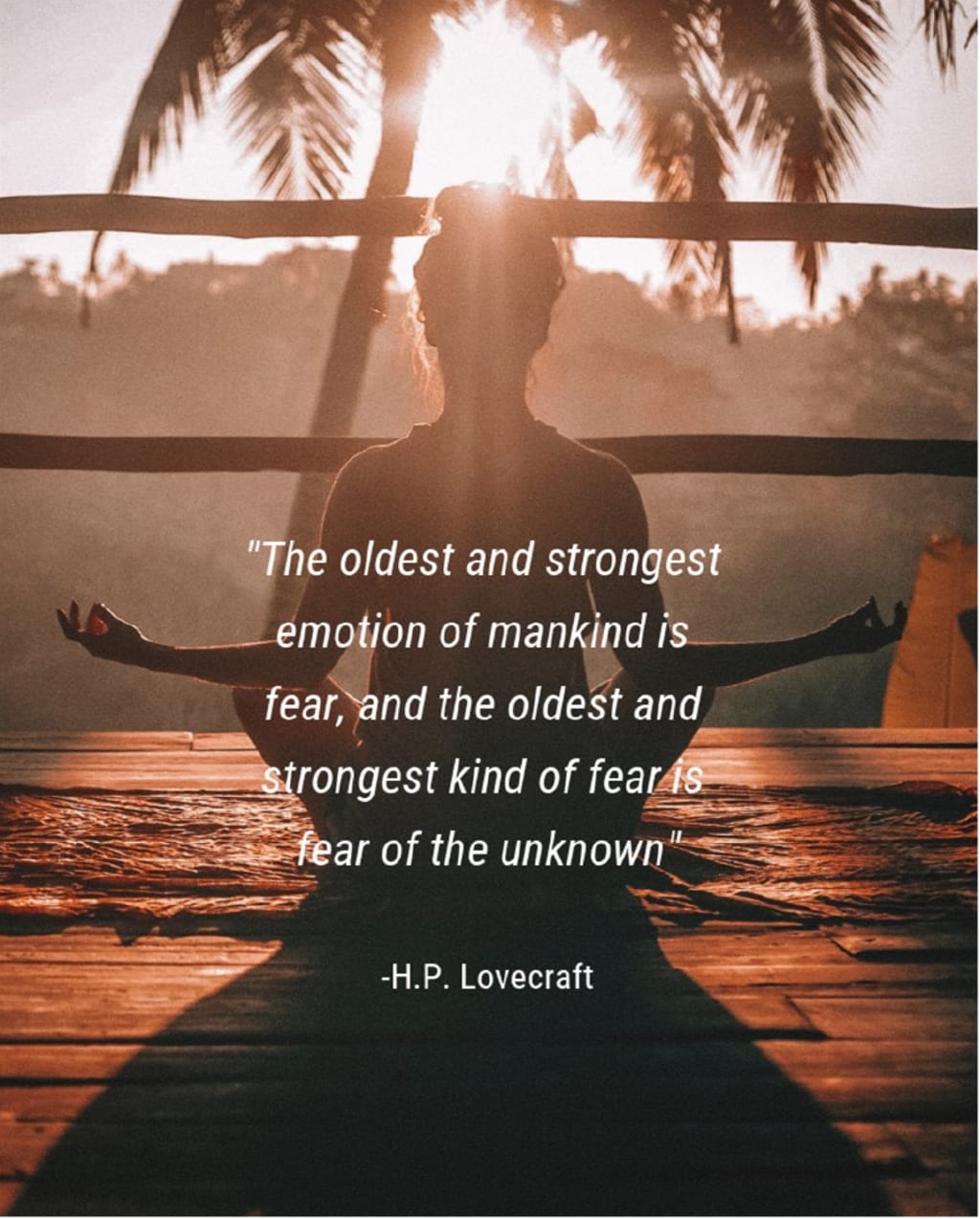
Anxiety is becoming increasingly common in modern life. Millions of people around the world experience ongoing stress, fear, nervousness and emotional overwhelm in different ways. For some, anxiety appears during difficult situations or uncertain periods in life. For others, it becomes a daily struggle that slowly affects sleep, energy levels, relationships and overall well-being.
Many people describe anxiety as feeling mentally exhausted while being unable to truly switch off. The mind continues racing long after the day has ended. Worry, fear and overthinking can affect both the body and emotional health over time.
As a result, more people are searching for natural ways to calm the mind and feel emotionally balanced again. Guided meditation has become one of the most popular approaches people are exploring to help manage stress and anxiety naturally.
But can meditation genuinely help reduce fear and anxiety, or is it simply another wellness trend?
Research, along with centuries of meditation practice, suggests there may be real benefits for people looking to calm the nervous system, reduce emotional stress and reconnect with a greater sense of inner calm.
Why Anxiety Feels So Overwhelming
Fear is part of being human. It is a natural emotional response that has helped people survive throughout history. Long ago, fear helped humans react quickly to danger and stay alert to threats in the environment.
This survival response is often called the fight-or-flight response.
The challenge today is that modern life constantly activates these same stress responses, even when there is no immediate physical danger.
Work pressure, financial stress, emotional trauma, relationship challenges, social media overload and uncertainty about the future can all trigger anxiety within the nervous system. The mind can become caught in repetitive loops of worry and overthinking, making it difficult to relax or feel emotionally settled.
Over time, chronic stress can leave the nervous system stuck in a heightened state of alertness where the body struggles to fully relax.
How Anxiety Affects the Body and Mind
Anxiety is not only experienced mentally. It also affects the body physically in many ways.
People experiencing anxiety often notice symptoms including:
- Racing thoughts.
- Tightness in the chest.
- Difficulty sleeping.
- Muscle tension.
- Feeling emotionally reactive.
- Rapid breathing.(3)
- Constant worry.
- Mental exhaustion
- Difficulty focusing.(3)
- Restlessness or irritability.
When stress continues for long periods, the body can remain flooded with stress hormones such as cortisol and adrenaline. This prolonged state of tension can gradually affect emotional well-being, sleep quality, concentration and energy levels. (2)
For many people, anxiety becomes exhausting because the nervous system rarely gets an opportunity to fully slow down.
Why Guided Meditation Is Becoming More Popular
One of the main reasons guided meditation is growing in popularity is that it offers something many people deeply need but rarely experience anymore, mental stillness.
Modern life is filled with constant stimulation, noise and distraction. Guided meditation creates space to slow down and reconnect with the present moment.(3)
Rather than trying to completely stop thoughts, meditation gently encourages awareness to return to breathing, relaxation and inner calm.
For beginners, especially, guided meditation can feel far more approachable than meditating alone. Being guided by a calm voice throughout the session often helps people relax more deeply and re-main focused.
Many participants describe guided meditation as giving the mind and body permission to finally rest.
What Research Says About Meditation and Anxiety
Over the past few decades, meditation has become the subject of increasing scientific research worldwide. Many studies continue showing positive outcomes for people experiencing stress, anxiety and emotional overwhelm. (4)
Researchers have found that regular meditation may help reduce activation of the body’s stress response while supporting relaxation and emotional regulation.
Studies involving mindfulness and guided meditation participants have shown improvements in areas including:
- Reduced stress levels.
- Improved sleep quality.
- Greater emotional resilience.
- Less overthinking.
- Improved emotional regulation.
- Better coping during stressful situations.
- Increased feelings of calm and well-being.
Scientists believe meditation may support healthier nervous system function while helping strengthen areas of the brain linked to emotional awareness and balance. (4)
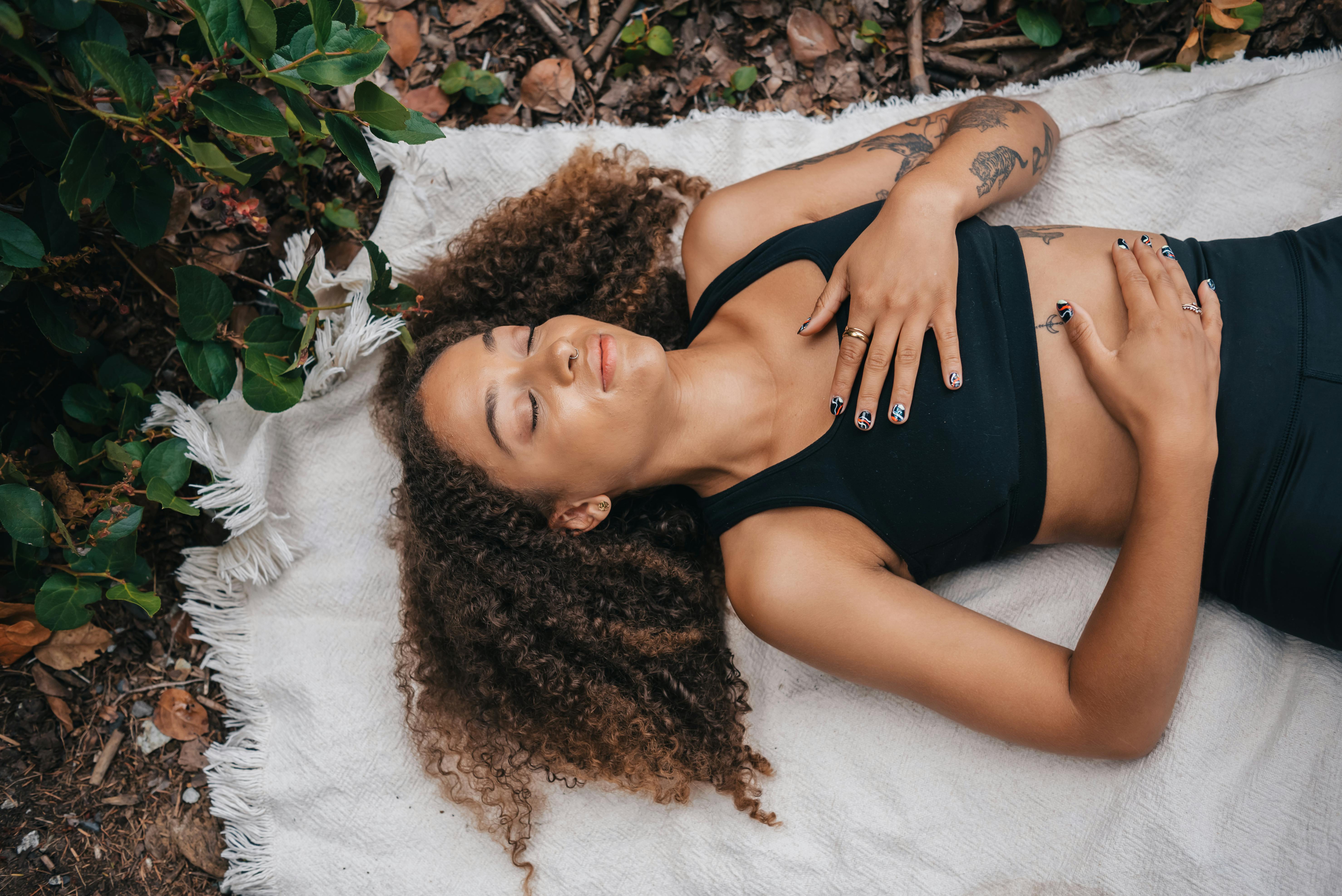
Three Ways Meditation Can Help Reduce Fear and Anxiety
Meditation Helps Calm the Stress Response
When anxiety becomes overwhelming, the nervous system can become trapped in survival mode. This often creates rapid breathing, emotional tension, racing thoughts and physical stress throughout the body.
Meditation helps activate the body’s relaxation response.
As breathing slows and awareness becomes calmer, many people begin feeling physically and emotionally more relaxed. Over time, regular meditation may help the nervous system become less reactive to everyday stress.
Many people notice they feel calmer and more emotionally balanced after only a few guided sessions.
Meditation Brings Awareness Back into the Present
Anxiety often pulls attention away from the present moment and into fears about the future or worries from the past.
The mind continuously imagines problems, replays stressful experiences or anticipates worst case scenarios.
Meditation gently teaches awareness of the present moment through breathing and relaxation practices. Even a few moments of slow, conscious breathing can help interrupt cycles of overthinking and calm the nervous system.
This shift into the present moment often creates a sense of clarity, grounding and emotional calm.
Meditation Creates Space for Stillness and Healing
Many people carrying stress and anxiety rarely allow themselves time to stop emotionally and mentally.
Guided meditation creates a quiet space away from constant worry, stimulation and mental exhaustion. Within this stillness, the body and mind often begin recovering from prolonged stress.
Some guided meditations focus on deep relaxation, while others incorporate mindfulness, visualisation, or chakra healing techniques designed to support emotional balance and inner healing.
For many people, meditation eventually becomes more than simply a relaxation exercise. It becomes part of a healthier and more balanced way of living.
Meditation Is Not About Having a Perfect Mind
A common misunderstanding about meditation is the belief that the mind must become completely silent during practice.
In reality, meditation is not about eliminating thoughts completely. It is about learning how to observe thoughts without becoming consumed by them.
Some meditation sessions feel deeply peaceful, while others may bring emotions or mental restlessness to the surface. Both experiences are normal parts of the process.
With regular practice, many people begin to notice gradual changes in everyday life. They may sleep more deeply, feel calmer during stressful situations and experience greater emotional balance overall.
Creating a Healthier Relationship with Stress
Fear and anxiety can feel overwhelming when carried alone for long periods of time. Guided meditation offers a gentle and supportive way to slow down, reconnect with yourself and create space for emotional healing and calm.
While meditation is not a replacement for professional medical or psychological support where needed, growing research continues showing it can become a valuable complementary practice for supporting emotional wellbeing and reducing stress. For many people, meditation becomes the beginning of a healthier relationship with the mind, the body and everyday life itself.
References
- Good Reads. H.P. Lovecraft Quotes. 2020
- World Health Organization. Depression and Other Common Mental Disorders: Global Health Estimates. 2017.
- Hoge, EA, Bui, E, Marques, L, Metcalf, CA, Morris, LK, Robinaugh, DJ, Worthington, JJ, Pollack, MH & Simon, NM. Randomized controlled trial of mindfulness meditation for a generalized anxiety disorder: effects on anxiety and stress reactivity. The Journal Of Clinical Psychiatry. 74. 2013; 786-792.
- Chen, KW, Berger, CC, Manheimer, E, Forde, D, Magidson, J, Dachman, L & Lejuez, CW. Meditative Therapies for Reducing Anxiety: a Systematic Review and Meta-analysis of Randomized Controlled Trials of Meditation. Depression and Anxiety. 29. 2012; 545-562.
About the Creator
Senka Melisa
Meditation guide, author, and healer by night and wildlife rescue volunteer by day. Based in Sydney, I help people release stress, reconnect within and return to inner peace through meditation. Love sharing the benefits gained.
Enjoyed the story? Support the Creator.
Subscribe for free to receive all their stories in your feed.
Comments
There are no comments for this story
Be the first to respond and start the conversation.