
28 Nights and the Discipline of Building Music with Purpose
Why consistency, patience, and relentless self-standards continue to define the artistic journey of 28 Nights


Success in music is often presented as a dramatic breakthrough one performance, one viral song, one life-changing opportunity. Yet the truth behind most lasting careers is far less theatrical. Sustainable artistry is usually built in silence, through repetition, self-correction, and an uncommon willingness to keep going when recognition is still catching up. The story of 28 Nights reflects this quieter, more demanding reality.
Professionally known as 28 Nights, Javian Martin has emerged as a songwriter and musician shaped not by shortcuts, but by discipline. Raised in Carrollton, Alabama, his connection to music began early, but what distinguishes his path is not simply an early interest in sound it is the level of seriousness with which he has continued to pursue it.
For many artists, passion is the starting point. For 28 Nights, passion became a long-term commitment. That distinction matters.

The modern entertainment landscape often rewards visibility, but visibility alone does not create artistic endurance. Audiences may notice a name quickly, but building a respected identity takes something much harder to sustain: standards. Throughout his career, 28 Nights has developed a reputation for refusing to release or perform work that feels incomplete. Every song is approached with a clear intention. Every lyric is expected to serve a purpose. Every performance is measured against a personal vision that leaves little room for compromise. This insistence on completeness has become central to the work ethic of 28 Nights.
In practical terms, that means music is never treated casually. Songwriting requires patience. Revision is part of the process rather than a frustrating interruption. Progress is measured not by how quickly something is finished, but by whether it reaches the level he expects from himself. In an age where speed frequently takes priority over substance, 28 Nights represents a more methodical form of artistic development. That method has not gone unnoticed.
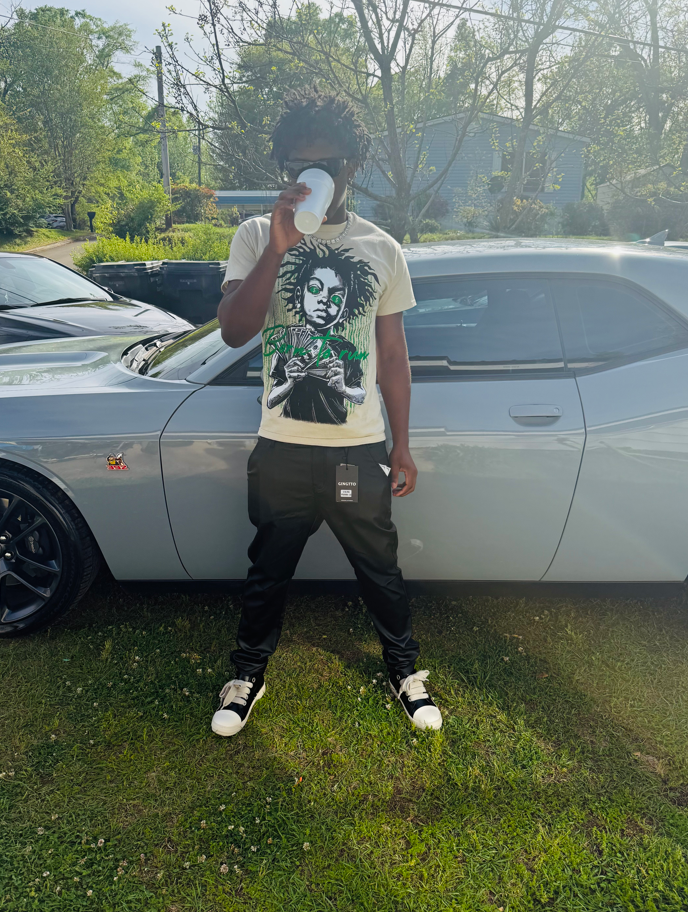
Across his journey, 28 Nights has earned four music trophies and secured victories at two significant music festivals held in Florida and Los Angeles. These accomplishments carry weight because competitive festival environments are rarely forgiving. Performers are often given limited time to establish a connection, and audiences tend to respond only to artists who display confidence, preparation, and authenticity from the opening moment. Winning in those spaces is not accidental.
For 28 Nights, those honors serve as visible checkpoints in a much larger process proof that sustained effort eventually creates measurable results. Yet trophies alone do not fully explain the appeal of his story. What makes 28 Nights increasingly compelling is the consistency behind those moments of recognition. There is a visible pattern of persistence, not sporadic flashes of luck. That consistency is one of the most overlooked ingredients in the music world.
Many talented individuals begin with ambition, but ambition tends to weaken when results arrive slowly. Some artists become discouraged by rejection. Others become distracted by the pressure to imitate current trends. Some lose momentum after moderate early success. The musicians who continue rising are usually those who understand that growth is cumulative. Every rehearsal matters. Every rewritten verse matters. Every imperfect performance that teaches a lesson matters. This is the philosophy that appears to guide 28 Nights.
Rather than chasing instant validation, 28 Nights has built around the principle of refinement. The work must improve. The sound must sharpen. The delivery must become stronger. This internal expectation creates an artist who is less concerned with temporary applause and more focused on creating something durable. That durability may ultimately become his strongest asset.
The name 28 Nights now reflects more than a stage identity. It signals a musician operating with endurance in mind. There is an underlying message in his career progression that resonates with both creatives and audiences: worthwhile results often come from staying committed long after the initial excitement fades.

This message feels particularly relevant in a digital era dominated by rapid consumption. Music is released faster, trends disappear faster, and attention moves faster than ever before. In that environment, maintaining patience can seem almost outdated. But patience remains one of the few qualities that technology cannot replace. Real artistic maturity still requires time. 28 Nights appears to understand that.
His journey is not defined by a single headline moment, but by repeated demonstrations of focus. Whether in songwriting sessions, competitive performances, or personal artistic evaluation, the same principle keeps resurfacing do not stop at average when improvement is still possible.
This creates a kind of credibility that audiences instinctively recognize. People respond to artists who seem invested not only in being seen, but in becoming better.
That may explain why 28 Nights continues to attract attention beyond his hometown beginnings. There is substance in a career built on repetition and resilience. There is trust in an artist who values process as much as outcome. And there is inspiration in watching someone continue to move forward without lowering the standard.
As the next chapters of his musical career continue to unfold, one thing remains clear: 28 Nights is not operating from a place of temporary enthusiasm. He is operating from discipline. And discipline, unlike hype, has the power to last.
In a profession crowded with noise, 28 Nights is steadily building something far more difficult to achieve musical purpose supported by persistence. That combination often takes time to be fully recognized. But when it is, it tends to endure.
About the Creator
Enjoyed the story? Support the Creator.
Subscribe for free to receive all their stories in your feed.
Comments
There are no comments for this story
Be the first to respond and start the conversation.