
18 Anti-Inflammatory Rules to Follow
A healthful, anti-inflammatory diet aims to lessen the risk of several chronic diseases and symptom severity associated to autoimmune and inflammatory conditions. Learn how to build the best anti-inflammatory diet by incorporating and following these 18 rules!
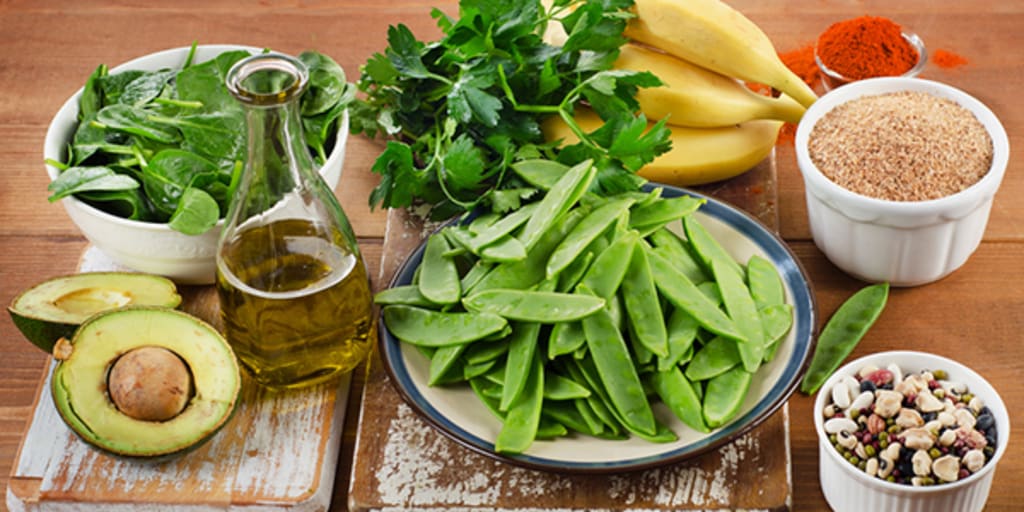
An anti-inflammation or inflammatory diet is essentially an eating pattern intended to reduce inflammation in the body.
While inflammation is a normal body process of self-defense, too many inflammatory responses can reap havoc and even pose the risk of several chronic diseases.
When inflammation occurs, white blood cells releases chemicals into the blood or the affected tissues, ultimately as an effort to protect against foreign substances.
There are numerous causes of inflammation, including external triggers such as bacteria and viruses, along with ingested food sources.
But you can combat and reduce inflammation by following these 18 foods rules!
18 Rules to Follow for the Best Anti-Inflammatory Diet
1. Fill Up On Fiber
Along with its notorious role in digestive health, fiber can combat inflammation by lowering C-reactive protein (CRP), a biomarker of inflammation found in the blood.
And aside from combatting inflammation, fiber also supports both digestive and heart health!
General recommendations suggest males and females should consume a minimum of 38 and 25 grams of dietary fiber daily, respectively, along with ensuring adequate fluid intake.
2. Swap Refined Grains with Whole Grains
Refined carbs are essentially whole grains stripped away from fiber and nutrients.
How To Eat Delicious And Satisfying Foods Every Day...
click here to sign up for FREE now.
Low-fiber diets and processed carbs may be driving the obesity rates, along with driving advanced glycation end products (AGEs) that been linked to inflammation.
Try to make at least half of total grain consumption whole grains, including a minimum of three to five servings daily from sources such as oats, rice, and corn.
3. Avoid Gluten as Necessary
Simply put, gluten is a protein naturally found in wheat, rye, and barley.
While gluten is the not a dietary threat across the board, it can trigger an inflammatory response in people diagnosed with Celiac disease (CD) or a gluten sensitivity.
However, it is imperative to consult with your primary care provider and dietitian to lessen the risk of nutritional deficiencies that may come with gluten's exclusion.
4. Reduce Sugar Intake
Along with reducing refined carbs, lessen processed sugars and sweet treats, as they are known for triggering the release of inflammatory messengers called cytokines.
Along with reducing the more obvious sources of sugar, be wary of hidden sources such as yogurt, ketchup, salad dressing, and pasta sauce. Always take advantage of the Nutrition Facts label and look out for its alternative names that end in "-ose," such as fructose and sucrose, on the Ingredients label.
All-in-all, the American Heart Association (AHA) recommends limiting added sugar intake to less than 10 percent of total daily calories.
5. Go for Color
Go for vibrant and varietal fruits and veggies to optimize nutrient content and increase fiber intake.
Though all fruits and veggies boast a grand nutritional profile, green veggies contain anti-inflammatory properties, with evidence showing adequate intake of vitamin K can reduce inflammatory markers in the body.
Vitamin C found in citrus fruits also acts as a powerful antioxidant and can boost the immune system.
Bottom line: The more color in the diet, the better.
6. Reduce Processed Meats
Animal meats do supply the body with protein, vitamins, and minerals, though individuals are encouraged to reduce the consumption of processed types.
Processed meats tend to be produced from meats high in saturated fats, undergo high temperature cooking methods, and oftentimes injected with a number of artificial preservatives and flavorings.
To lessen the risk of sparking inflammation, cancer, and other health conditions, processed meats are recommended no more than once or twice per month.
How To Eat Delicious And Satisfying Foods Every Day...
click here to sign up for FREE now.
Written By Sydney Lappe, MS,
About the Creator
Enjoyed the story? Support the Creator.
Subscribe for free to receive all their stories in your feed.
Comments
There are no comments for this story
Be the first to respond and start the conversation.