
10 Surprising Health Benefits of Coconut Sugar You Need to Know
Why Coconut Sugar is a Healthier, Sustainable Choice Packed with Nutrients

In a world where refined sugar dominates, health-conscious individuals are increasingly seeking alternatives that satisfy their sweet tooth without compromising wellness. Regular sugar consumption has been linked to obesity, diabetes, and heart disease, leaving many to wonder: Is there a better option?
Enter coconut sugar—a natural sweetener derived from the sap of coconut palm trees. Unlike processed sugars, it retains nutrients and boasts a lower glycemic index, making it a standout choice for those prioritizing health. Curious about how this tropical sweetener can transform your diet? Dive into the 10 evidence-backed benefits of coconut sugar and discover why it’s gaining global popularity.
What is Coconut Sugar?
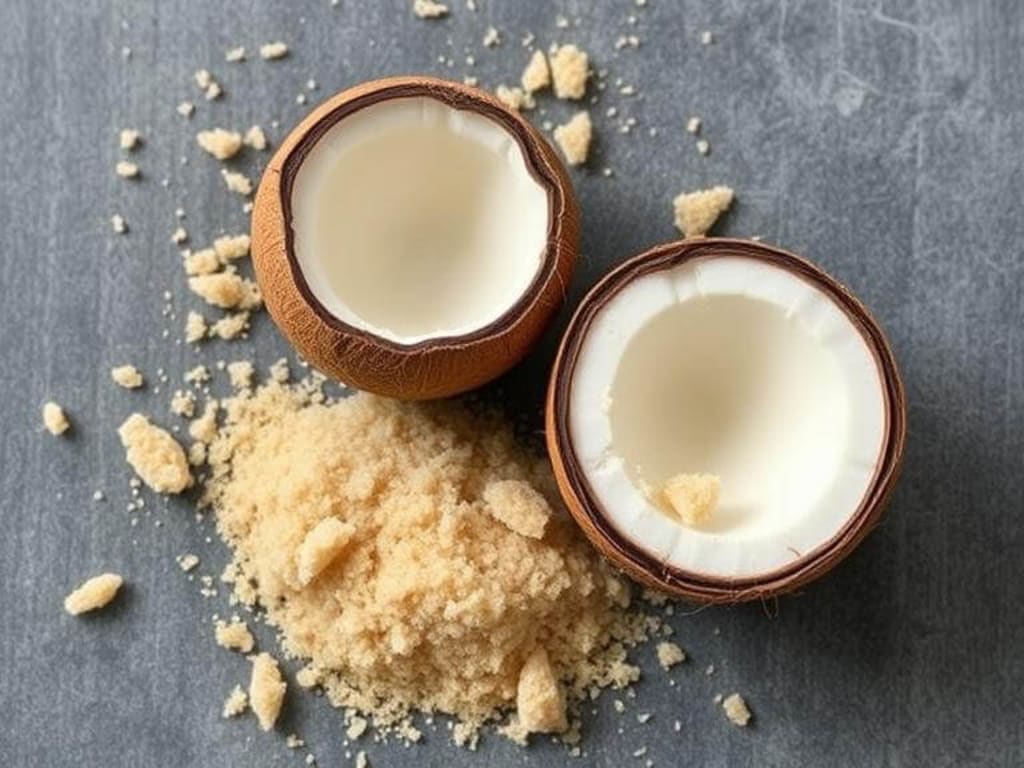
Coconut sugar is produced by harvesting sap from the flower buds of coconut palms, which is then heated to evaporate moisture, resulting in caramel-colored crystals. Unlike refined white sugar, it undergoes minimal processing, preserving its natural minerals and antioxidants. Its subtle caramel flavor and versatility make it a popular substitute in cooking, baking, and beverages.
This sweetener has deep roots in Southeast Asian cuisine but has recently surged in demand worldwide as a healthier alternative. Unlike artificial sweeteners, coconut sugar offers a balance of natural sugars and nutrients, aligning with clean-eating trends.
Nutritional Profile of Coconut Sugar
While coconut sugar isn’t a "superfood," its nutritional content sets it apart from refined alternatives. Per tablespoon (approximately 10 grams), it contains:
- Calories: 45 (similar to table sugar)
- Carbohydrates: 12g
- Fiber: 1g (from inulin)
- Potassium: 6% of the RDI
- Magnesium: 2% of the RDI
- Iron: 2% of the RDI
- Zinc: 1% of the RDI
Though modest, these nutrients contribute to its reputation as a less "empty" calorie option.
10 Surprising Health Benefits of Coconut Sugar
1. Lower Glycemic Index for Better Blood Sugar Control
Coconut sugar’s glycemic index (GI) ranges from 35 to 54, significantly lower than table sugar’s GI of 60–65. This means it causes a slower, more gradual rise in blood glucose levels, reducing the risk of energy crashes and insulin spikes. For individuals managing diabetes or prediabetes, this makes coconut sugar a safer option when consumed mindfully.
Studies suggest that the inulin fiber in coconut sugar may further aid in slowing sugar absorption. However, portion control remains crucial, as excessive intake can still impact blood sugar.
2. Rich in Essential Nutrients
Unlike refined sugars, coconut sugar retains trace amounts of vitamins and minerals. It contains potassium, magnesium, zinc, and iron—nutrients vital for nerve function, bone health, and oxygen transport.
While not a significant source, these micronutrients contribute to its nutritional edge over empty-calorie sweeteners.
3. Supports Sustainable Farming Practices
Coconut palms thrive in diverse climates with minimal water, making them an eco-friendly crop.
Their cultivation promotes biodiversity and reduces reliance on resource-intensive monoculture farming. Choosing coconut sugar supports sustainable agriculture and small-scale farmers in tropical regions.
4. Antioxidant Properties
Coconut sugar contains polyphenols and flavonoids, antioxidants that combat oxidative stress and inflammation.
These compounds may lower the risk of chronic diseases, such as heart disease and cancer, by neutralizing harmful free radicals.
5. May Aid in Weight Management
The low GI and inulin fiber in coconut sugar promote satiety, potentially reducing overeating.
By preventing rapid blood sugar spikes, it helps curb cravings for sugary snacks, supporting weight loss efforts when used in moderation.
6. Suitable for Vegan Diets
Many refined sugars are processed using bone char, making them unsuitable for vegans.
Coconut sugar is entirely plant-based, aligning with vegan and vegetarian lifestyles without ethical compromise.
7. Promotes Healthy Digestion
Inulin, a prebiotic fiber in coconut sugar, feeds beneficial gut bacteria, enhancing digestion and nutrient absorption.
A healthy gut microbiome is linked to improved immunity and mental health.
8. Versatile in Cooking and Baking
Coconut sugar’s granular texture and mild sweetness make it a 1:1 substitute for white or brown sugar.
It adds depth to baked goods, beverages, and sauces while imparting a subtle caramel flavor.
9. Reduces Risk of Heart Disease
High potassium levels in coconut sugar help regulate blood pressure by balancing sodium levels.
Magnesium supports cardiovascular function, further reducing heart disease risk.
10. Natural and Minimally Processed
Free from chemicals and bleaching agents, coconut sugar is an unrefined option for those avoiding artificial additives.
Its minimal processing ensures it retains more natural goodness compared to heavily refined alternatives.
How to Incorporate Coconut Sugar into Your Diet
Sweeten Beverages: Stir into coffee, tea, or smoothies for a caramel-like twist.
- Bake Smartly: Replace white sugar in cookies, cakes, and muffins for a nutrient boost.
- Enhance Breakfast: Sprinkle over oatmeal, yogurt, or chia pudding.
- DIY Snacks: Use in energy bars or homemade granola.
Pro Tip: For a caramelized crust on roasted vegetables, mix coconut sugar with olive oil and spices.
Coconut sugar emerges as a compelling alternative to refined sweeteners, offering advantages from blood sugar regulation to sustainability. By incorporating it wisely into your diet, you can enjoy its natural sweetness while reaping long-term health rewards.
About the Creator
Nando Rifky
Content Writer
Enjoyed the story? Support the Creator.
Subscribe for free to receive all their stories in your feed.
Comments
There are no comments for this story
Be the first to respond and start the conversation.