
10 Simple Wellness Tips for a Balanced Life
Here are 10 simple wellness tips to help you achieve a more balanced and healthy life:
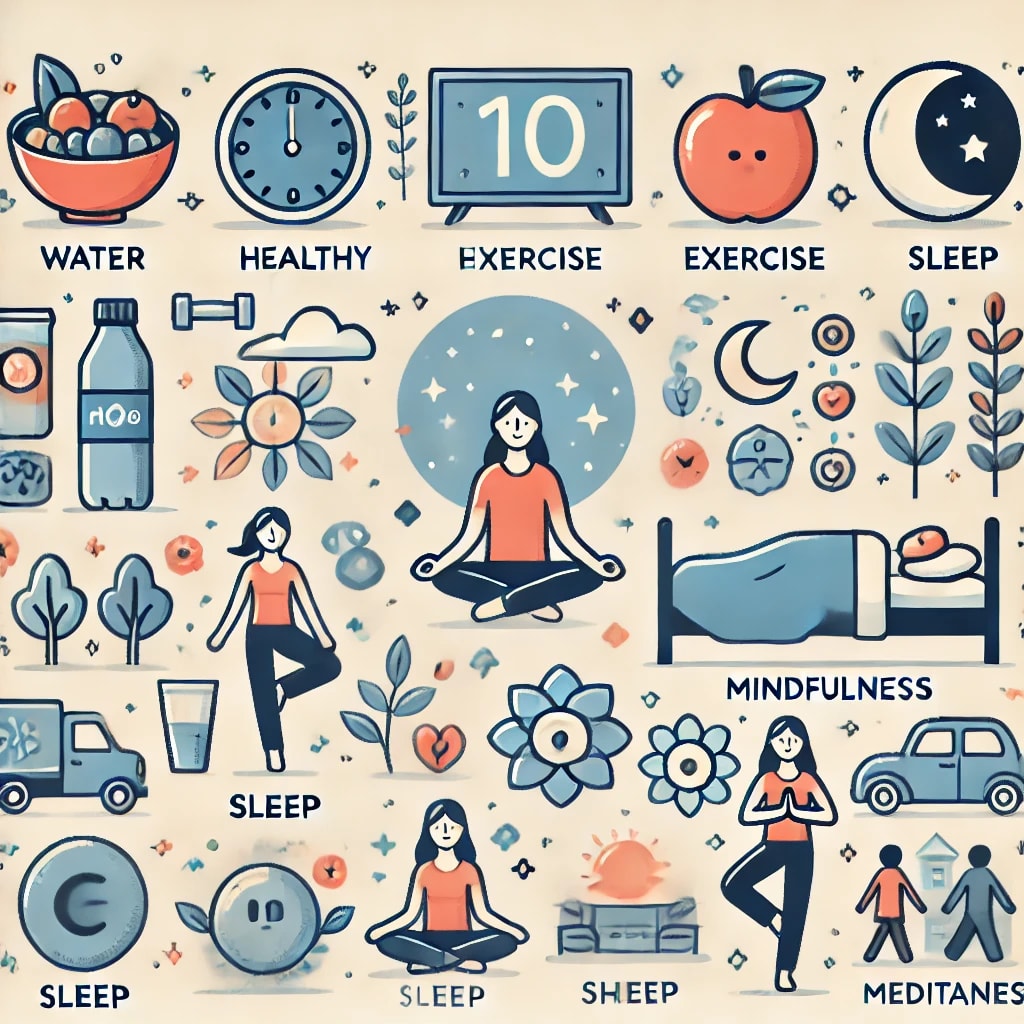
It is not very easy to leave an equilibrium in life as this information shows and tells. Whether it being your job, your family, or other self-enhancement activities, it is important to pursue wellness in order to be at par with the state of balance. As we suggested, a balanced life is much more than time management; it’s taking care of the three dimensions of the human life – the physical, the intellectual, and the spiritual. Below are 10 basic wellness tips that you can use to eventually steer you towards a healthier balanced lifestyle:
1. Stay Hydrated
As we know, water is a necessity in the body to perform all the functions effectively. These are, digestion circulation, thermoregulation and so on and it also supports the sex organs too. This is surprising, given the fact that people know the importance of hydration in their bodies meaning not a single day goes by without them drinking water. Try and make the intake of water 8 glasses a day or more depending on the level of physical activity, weather and health conditions. Carry a water flavor with you at work so that you act as a regular cue to drink some water at least. When dehydrated, one can easily develop tiredness, fast headaches, and poor concentration hence affecting one’s balanced schedule.
Pro tip: Lemon is healthy and also gives the water a metallic taste and feel and so does mint or even cucumber.
2. Exercise Regularly
Exercise or any form of physical activity is very important in promoting health and well being. That is equally important for obesity prevention and for the prevention of other diseases, such as anxiety and depression, fatigue, and poor quality of sleep. In fact, one can easily dedicate only half an hour to exercise in a day as a form of walking, yoga, swimming or weight training and observe a positive change. Sporting activities produce endorphins, hormones that reduce stress in the body and assist individuals to be more directed.
Pro tip:
Select a task that you are interested in to do in order to make a lot of progress. This means that it is possible to achieve the wellness objectives even by engaging in short periods of activity such as going up the stairs or bouncing to your favorite tune.
3. Prioritize Sleep
Rest is one of those things that people take lightly on the aspect of well-being. This is because sleep plays a critical role in the body in that it can impact on the immune system, stress levels as well as the overall brain functioning making one feel stressed and drained. Some of the healthy lifestyle practices include 7-9 hours of sleep every night. It also assists you to get rid of stress, get your body and mind back together, be focused to enhance your concentrative abilities, and also have the right morale all through the day.
This must be done by putting on perhaps, reading or meditation or sipping on herbal tea, the body is made to understand fully the fact that it must relax. To sleep well it is recommended to reduce or to abstain from the use of electronics and eating large meals at night.
Pro tip: Try to go to sleep and wake up at the same time every day to make sure that your body’s clock is not disrupted.
4. Practice Mindfulness
It is the act of paying attention to the present time. As you know, today’s world is full of different activities and we constantly face stress or, at least, burnout. It is possible to dedicate 5 to 10 minutes per day for practicing in mindfulness, whether it is meditation, deep breathing, and being present with your feelings.
Mindfulness does not only have positive effects on the mental health but also on physical health as by decreasing stress resulting in inflammation. It is recommended to have at least five minutes of meditation a day and then slowly build up on the time practiced.
Pro tip: Apps such as Headspace or Calm give you an easy beginning into mindfulness.
5. Eat a Balanced Diet
Diet plays important roles in your health and therefore the way you feel is influenced by what you eat. This does include a well proportioned meal plan containing fruits, vegetables, lean protein and essential fats that supply your body the required nutrients in a proper manner with the right proportions. Stay away from foods with hydrogenated oils, white sugar and flour products, and too much coffee, tea and soft drinks as they cause energy lows and fluctuating moods.
Rather, pay attention to the foods that serve your body and mind properly, the foods that are whole. For instance, intake of omega-3 fatty acids will enhance brain functions while certain foods high in fiber adds to digestion and time feeling of satiety.
Pro tip: It is recommended that an individual prepares his / her meal in advance and choose the right meals for the week. Having healthy food planned in advance eliminates the desire to get unhealthy foods that take very little time to prepare.
6. Limit Screen Time
Nowadays technology dominates so much in our everyday life so it is not a problem at all to spend hours and hours sitting in front of a computer. Nonetheless, the constant and continuous use of the gadgets might cause strain in the eyes, sleep disturbances, and mental health. Cutting down the time you spend on screen before sleeping also help you to have a better sleep and less stresses.
Minimize the use of gadgets especially when in personal or group settings by designating areas or certain time of the day as gadgets-free zone or time. Anything that does not involve screens such as reading a book, drawing, or going for a walk can also help one enhance his or her mood and cognition.
Pro tip: There are apps or settings available in today’s gadgets that allows users to have a control on the time spent in front of the screen and to be notified to take a break every once in awhile.
7. Take Breaks Throughout the Day
It is recommendable to follow the fifteen minute break rule where one is allowed to relax throughout the day.
Fatigue is detrimental to health because when one continues with work for a long period without rest, his or her brains gets weary. Taking the short breaks during working time has positive influence on concentration, imagination and effectiveness. These include going for a power walk, stretching or moving away from the office desk for a while, breaks enable the mind to rest.
Short breaks are also beneficial in that they minimize slouching and other unhealthy postures throughout a learner’s working time. The Pomodoro Technique where you work in 25-minute intervals and then take a five-minute break is also a perfect way to keep one’s productivity in check while at the same time avoiding burning out.
Pro tip: Better yet, use the alarms on your phone or precise apps that are created to help you remember that it is time for a break.
8. Maintain Social Connections
Relationships are very important for people since people are social beings and has to remain connected to make them happy. Depending on telecommunication and social media, the ability to have friends and families circle allows one to cope with life issues depending on the relationship one has with them. Interacting with friends increases joy improves wellbeing by preventing stress while enhancing the feeling of being accepted.
Find time for social and leisure activities often disregarding the amount of work and business you have on hand. Just five minutes of talking can help to give you a colt with positive emotions and achieve psychological wellbeing.
Pro tip: To be able to make new friends, one needs to practice how you attend relevant groups or clubs.
9. Set Healthy Boundaries
Effective management of time is an important factor that separates between those who lead a balanced life and those who do not; this is achieved by understanding when it is time to say no to some activities in your personal as well as your working life. This is due to the reasons that overcommitting to work can cause stress, burnout and even results in emotional exhaustion. Reduce exposure to activities that are damaging for your body and mind and focus on what is important in a healthy civilization.
It is thus important for the client to learn how to communicate his/her boundaries well. It is quite important that one should be able to avoid such activities and even people who tend to affect his or her energy negatively.
Pro tip: Exercise self-compassion whenever you set boundaries. Bear in mind that it is actually okay to say no for your well-being’s sake.
10. Cultivate Gratitude
Being thankful is one of the most effective ways of improving your psychological and emotional states. Gratitude is the perfect way of changing the channel from the things that are missing in your life to the things that are present. Research also indicates that the practice of thankfulness enhances happiness, relieves stress and strengthen s your sickness fighting capability.
The concrete ways of practicing gratitude are, for instance, taking five to ten minutes every day to list some of the things they are thankful for. It can be done mainly through keeping gratitude diary or at least, having it in your mind. Hence, when you are forcing your mind to look for all the positive features in your life, you are likely to feel better and overcome the illness.
Pro tip: Before you go to bed or right when you wake up, list Thankful For three things no matter how basic they are. In the long run, it can drastically change one’s perspective towards life altogether.
Conclusion
The notion of balanced living is all about gradual changes towards the improved quality of every aspect of a person’s life. These are the ten effective wellness tips that can be put into practice in order to enhance the health of the body, mind and emotions. Do not forget that wellness is life-long process, not just the state, so the best thing is to take the first step right now, and slowly but steadily approach the state of being more and more balanced in both body and soul.
About the Creator
Enjoyed the story? Support the Creator.
Subscribe for free to receive all their stories in your feed.
Comments
There are no comments for this story
Be the first to respond and start the conversation.