
10 Reasons Why A Person Can't Lose Weight
Things That Make It Hard For Some People To Lose Weight
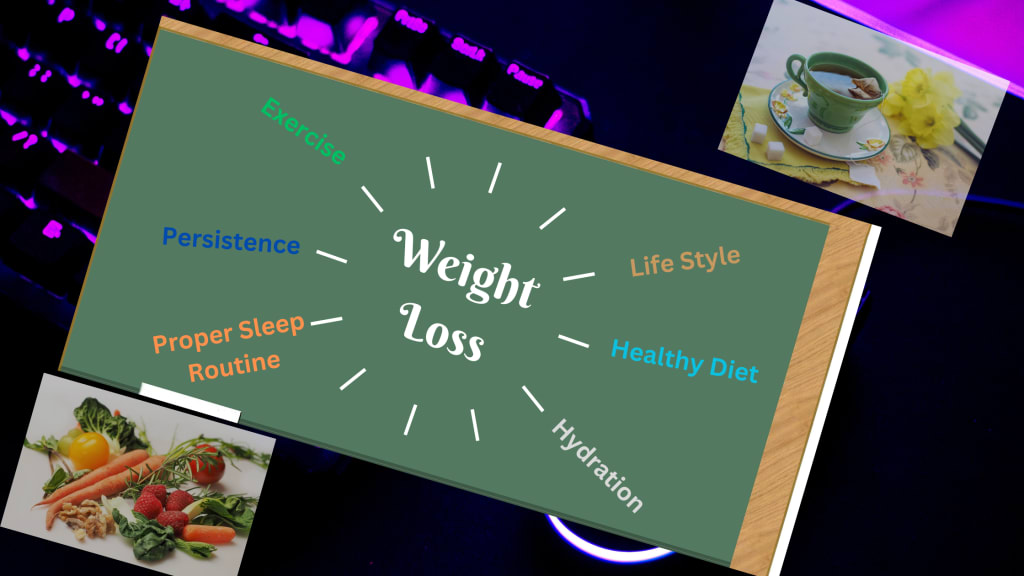
Many people among us wish to lose weight, but it can occasionally feel like an uphill battle. In this blog post, we will list down the 10 most important reasons why someone can't lose weight or no longer lose weight.
1. Eating Less food:
One of the common misconceptions about weight loss is that if you eat less food you will lose weight. However this is not true, not eating enough can actually slow down your metabolism and make it harder to lose weight. When you consume too few calories, your body goes into "starvation mode" and starts to conserve energy, which can lead to weight gain.
2. Too Much Stress:
Stress can have a very significant impact on your weight loss efforts. When you're over-stressed, your body releases cortisol which is a hormone that can cause your body to hold onto fat. Furthermore, stress can lead to emotional eating, which can sabotage your weight loss goals.
3. Lack of Sleep:
A proper sleep routine has an important role in weight loss, it helps in regulating hormones that control appetite and metabolism. When we don't get enough sleep, our body produces more hunger hormone called ghrelin and less of the hormone leptin, which is responsible for the regulation of appetite this imbalance can make it difficult to follow a healthy diet plan.
4. Medical Conditions:
Certain medical conditions, such as hypothyroidism, in which the thyroid gland doesn't make enough thyroid hormones to meet our body's needs, polycystic ovary syndrome (PCOS) that causes hormonal imbalance and metabolism problems which may affect their overall health and appearance or insulin resistance, can make it harder to lose weight. It is important to consult with a healthcare professional if you suspect that a medical condition may be hindering your weight loss efforts.
5. Genetics:
Genetics can also play a role in weight loss. Some people tend to maintain their weight, making it harder to lose weight and keep it off. Understanding the genetic factors that contribute to weight loss can help people adjust their approach to weight management. Some people may find it easier to lose weight with diet and exercise, while others may need additional support such as medication or surgery. Genetic testing and counseling can provide insight into a person's unique genetic makeup and help them make informed decisions about their weight loss journey.
6. Hormonal Changes:
Hormonal changes can make it difficult to lose weight because certain hormones regulate our appetite, metabolism, and fat storage in our body. For example, the hormone leptin helps regulate appetite and energy expenditure by signaling to the brain that the body has adequate fat reserves. However, when leptin levels are disrupted, as in conditions such as leptin resistance or low leptin levels, it can lead to increased appetite and decreased energy expenditure, making weight loss more difficult. Treating hormonal imbalances with lifestyle changes, medications, or hormone replacement therapy (HRT) can help people with hormonal changes lose weight.
7. Not Enough Exercise:
Exercise is an essential part of losing weight as it helps burn calories, boost the metabolism, and build muscle mass. When combined with a healthy diet, regular exercise can create a calorie deficit that leads to weight loss. Physical activity also offers additional benefits such as better cardiovascular health, reduced stress, and improved overall well-being. Incorporating exercise into a weight loss plan can be challenging for some people, but finding activities that are fun and balanced can make it easier. Setting achievable goals and gradually increasing the intensity and duration of exercise can also help prevent injury and stay motivated. Ultimately, regular exercise combined with a healthy diet is essential for long-term weight loss and overall health.
8. Eating Too Many Processed Foods:
Processed foods are often high in calories, sugar, and unhealthy fats, making it difficult to lose weight. If you're not seeing results, take a closer look at your diet and try to limit processed foods. In addition, to an adverse effect on weight loss eating too many processed foods can negatively impact overall health. This nutrient-poor diet can lead to weight gain because the body may need more food to get the nutrients it needs. To support weight management and overall health, it's important to prioritize nutrient-dense whole foods like fruits, vegetables, whole grains, lean protein, and healthy fats. Limiting processed and packaged foods can help reduce calorie intake, improve nutrient absorption, and support healthy weight management.
9. Drinking Too Much Alcohol:
Alcohol is high in calories and can sabotage your weight loss efforts. If you don't see results, take a closer look at your alcohol consumption and try to limit it. Alcohol can also interfere with the body's natural metabolism and lead to fat deposits, particularly in the abdominal area. Alcohol is processed by the liver, and when consumed in excess, the liver prioritizes breaking down the alcohol rather than burning fat. This can lead to a slower metabolism and decreased fat burning, making it harder to lose weight.
10. Lack of Consistency:
A lack of consistency can have a significant impact on your weight loss efforts. Consistency in your diet and exercise program is key to achieving and maintaining weight loss. Inconsistent habits can lead to a lack of progress or even weight gain as the body may not be in a constant calorie deficit. For example, irregular mealtimes or skipping meals can lead to overeating or poor food choices, which can negatively impact your weight-loss efforts. Likewise, irregular exercise can make it difficult to burn calories and build muscle, which is essential for speeding up metabolism and promoting weight loss.
To support your weight loss efforts, it's important to establish healthy habits like regular exercise, a nutritious diet, and consistent behaviors that can help create a calorie deficit. Consulting a doctor or nutritionist can also help you achieve your weight loss goals. Remember that consistency and persistence are the keys to achieving and maintaining weight loss.
About the Creator
Tariq Sami
I'm a content writer who is passionate about telling audiences-engaging stories. I love creating informative and entertaining content and am very organized and detail-oriented.
Enjoyed the story? Support the Creator.
Subscribe for free to receive all their stories in your feed.
Comments
There are no comments for this story
Be the first to respond and start the conversation.