
10 Proven Natural Ways to Manage Depression and Improve Mental Well-Being
Simple, science-backed lifestyle strategies to reduce depressive symptoms, boost mood, and regain emotional balance naturally

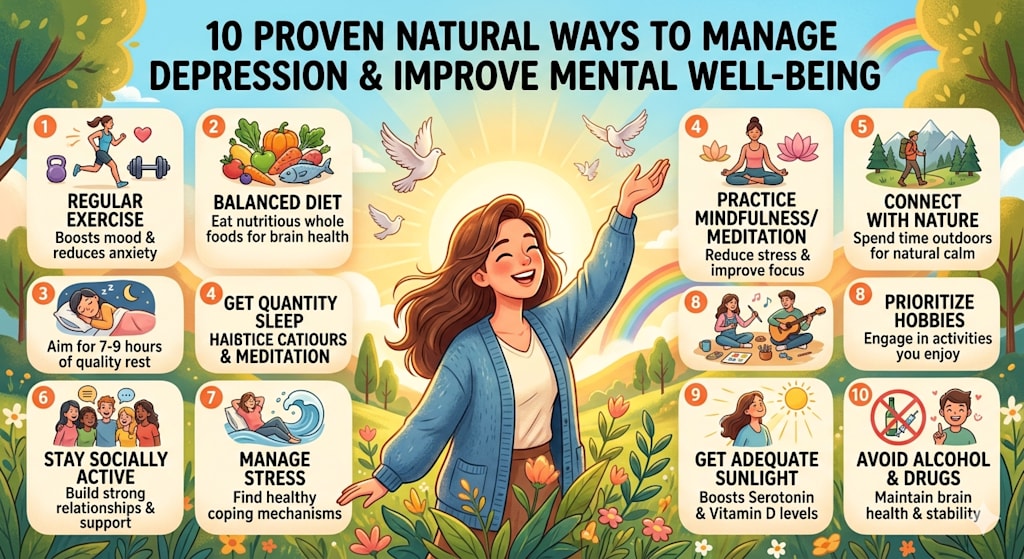
10 Tips to Help Manage Depression Naturally
One of the serious mental health disorders, depression can affect someone’s life from the scratch – personally, professionally, and otherwise. Depressive symptoms can range from mild to severe, making it challenging for the affected person to find the light at the end of the tunnel. Rather it feels like a dark and endless road to nothingness.
However, there are several coping mechanisms as well as treatment for depression. Here are 10 ways of managing depression naturally and improving the quality of life.
Understanding Depression
Major Depressive Disorder or depression affects the ability of how one thinks, feels, and goes about with daily activities. Considered as a medical condition and beyond psychological impact, depression may cause inactivity and low energy levels. It increases the feeling of isolation, affecting body and mind.
Signs and Symptoms of Depression
Some of the depression symptoms are losing interest in activities, hobbies, and interests that one previously enjoyed. Here are other signs:
· The person may feel hopeless and empty with a sadness that does not seem to go away.
· It can also lead to excessive sleep or insomnia, along with exhaustion and feeling drained completely.
· Some experience a cognitive fog with difficulty remembering details, concentration, or making decisions.
· At times, depression can cause digestive issues, headaches, and muscle pain.
What Causes Depression?
The causes of depression may either be one or a combination of factors such as:
· Hormonal Changes: Hormonal imbalance, especially changes in thyroid function. Or, hormonal shifts due to postpartum phase, menopause, causing an emotional impact.
· Brain Chemistry Imbalance: Problems with neurotransmitters such as dopamine, serotonin, and norepinephrine. These manage mood and if something is wrong with these chemicals, it can result in depressive episodes.
· Genetics: A family history of depression can increase one’s biological tendency of getting this medical condition.
· Low Self-Esteem: Negative self-talk and criticizing oneself personally happens a lot in depression, hitting a blow to self-esteem.
· Trauma or Abuse: Previous physical, emotional experiences that were traumatic, or abuse of any kind, be it physical, emotional, sexual etc. can affect the brain’s response to stress and related events.
· Chronic Stress or Anxiety: Persistent anxiety and stress can drain one mentally and physically, affecting immunity as well due to high levels of cortisol. It may increase inflammation in the body, which further escalates depression and burnout.
Treatment Options to Manage Depression Naturally
Here are 10 natural strategies to manage depression naturally, which assures mental wellness and peace.
1. Regular Exercise
If someone wants a natural antidepressant, then exercise is an effective way to achieve it. Physical activity helps with ‘feel-good’ chemicals such as endorphins. A brisk walk everyday for even 20 minutes can release these proteins. It allows nerve cells to grow better, and improve communication between neurotransmitters and the brain.
2. Structured Sleep Routine
Sufficient and restful sleep calms the brain, elevates mood, and helps the body regenerate and repair overall. It eases tensions on the central nervous system, reduces depression symptoms, and escapes from ‘fight or flight’ mode. Maintaining a regular sleep cycle also aids with energy levels and productivity.
3. Healthy Eating for Mood Stability
A healthy gut means a healthy mind and body. Diets containing processed sugars can lead to depressive and energy lows. Include foods in your diet that contain folic acid, omega-3 fatty acids, and complex carbohydrates. These manage blood sugar levels and keep a healthy mood.
4. Mindfulness and Meditation
Practicing mindfulness helps you enjoy present moments and stop ruminating about the past. It helps get over trauma and negative past experiences. Guided meditation and deep breathing are two mindfulness techniques to gain a better control over emotional reactions and thoughts.
5. Journaling for Emotional Clarity
Writing down thoughts and feelings gives room for venting. It helps to identify thought patterns that could later escalate into something serious and painful. Journaling is a personal commander that protects internally. If a person feels heavy-hearted, and faces difficulties in speaking aloud about their depression, writing about it at least does not let things stay bottled up and get worse.
6. Setting Achievable Goals
When one is depressed, taking things slow is the first step to think practically. Setting small and achievable goals becomes possible. It is like giving targets to oneself and celebrating small victories. This keeps the mind busy and earns personal rewards, having a positive impact on the brain, and reducing the fallout of depression.
7. Social Connection & Support
Someone with depression may want to stay alone and separated from social connections. However, reaching out to a trusted family member, friend, or anyone over a face-to-face talk, or having a conversation on a phone call can be a great start to breaking the cycle of loneliness. It opens the door to healing.
8. Sunlight Exposure and Vitamin D
Exposure to sunrays in the morning is not just for production of vitamin D, but necessary for serotonin synthesis as well. In hospital settings, a light therapy box is a depression treatment. Doctors may suggest vitamin D supplementation in some cases.
9. Limiting Alcohol and Sugar
Foods containing high sugar content can cause energy crashes and affect the blood glucose levels, metabolism, in a bad way. Overconsumption of alcohol affects the nervous system and brain, even if it may seem to temporarily numb certain feelings. In return, alcoholism causes sleep disturbance, exhaustion, and irritation.
10. Professional Resources
Seeking professional help from a counsellor or therapist is a natural step to caring for your mind, and beyond. Cognitive behavioral therapy or CBT gives one chance to correct wrongful habits and thinking that are responsible for depression.
Conclusion
Managing depression naturally includes active support that one can give themselves. Making intentional changes in daily life can reduce depression or even handle it completely without the need of professional help. Plus, if clinical assistance is required, one can always get in touch with a therapist.
About the Creator
William Goodwin
Bluepillsrx is a trusted online pharmacy that provides medications for ED, PE, and fertility issues, helping restore confidence and intimacy. Good health matters for both men and women.
Enjoyed the story? Support the Creator.
Subscribe for free to receive all their stories in your feed.
Comments
There are no comments for this story
Be the first to respond and start the conversation.