
10 Home Remedies for Gastroenteritis (Stomach Flu) + Prevention Tips
Soothe your sick stomach with a combination of ingredients available in your kitchen
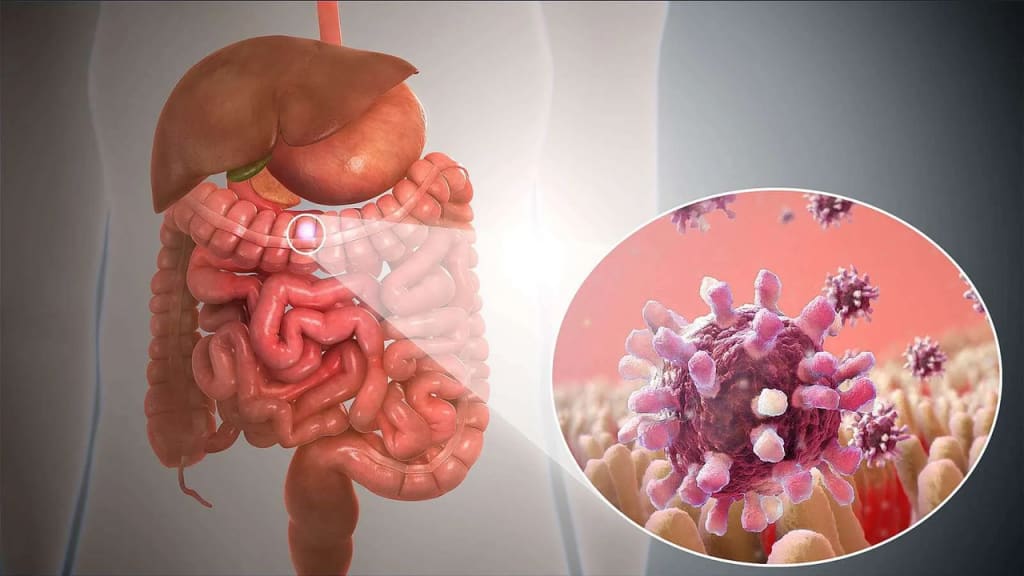
If you are experiencing stomach cramps, vomiting, and watery stools, you must immediately start following some home remedies for gastroenteritis. Gastroenteritis, commonly known as stomach flu, is a highly contagious stomach and intestinal infection.
Research indicates that 685 million people globally suffer from acute gastroenteritis caused by the Norovirus (1). Of these cases, 200 million children under 5 years of age suffer from this condition, and approximately 50,000 children die annually. While most cases of stomach flu go away on their own, it is a good idea to follow some home remedies to treat it effectively. Scroll down to know more!
Note: If the symptoms of gastroenteritis persist beyond a week, consult a healthcare provider immediately.
In This Article
What Is Gastroenteritis (Stomach Flu)?
What Causes Gastroenteritis?
Signs And Symptoms Of Gastroenteritis
How To Test For Gastroenteritis
Medical Treatments
Home Remedies For Gastroenteritis
How To Prevent Stomach Flu
What Is Gastroenteritis (Stomach Flu)?
Gastroenteritis is a viral or bacterial infection characterized by symptoms like diarrhea and vomiting. It causes inflammation of the stomach lining and intestines and is commonly referred to as stomach flu.
One of the most common ways in which you can contract gastroenteritis is through direct contact with an infected person or ingesting contaminated food/water.
Healthy individuals often recover from this condition without any complications. However, for those with a weak immune system, like infants and older adults, gastroenteritis can prove to be life-threatening.
Let us now look at the common causes of gastroenteritis.
What Causes Gastroenteritis?
The most common cause of gastroenteritis is a virus. It can be triggered by various kinds of viruses like rotavirus and norovirus.
Although not as common, gastroenteritis may also be triggered by bacteria like E. coli, shigella, and salmonella.
Gastroenteritis can also be caused by certain parasites like giardia and cryptosporidium, which are commonly found in contaminated swimming pools.
Some factors that can further increase your risk of developing gastroenteritis are discussed below.
Age – Infants and older adults are at a higher risk of contracting gastroenteritis.
Weakened immunity due to an ongoing medical condition.
Drinking water that is contaminated with heavy metals like arsenic, lead, or mercury.
Increased consumption of acidic foods.
Eating seafood contaminated with toxins.
Certain medications like antibiotics, antacids, chemotherapy drugs, and laxatives.
If you have gastroenteritis, you are quite likely to exhibit the following signs and symptoms.
Signs And Symptoms Of Gastroenteritis
The signs and symptoms of gastroenteritis may include:
Watery diarrhea
Vomiting
Stomach pain
Fever
Nausea
Cramping
Headache
Dehydration
Dry skin and mouth
Lightheadedness
Increased thirst
In infants, you may look for signs of fewer and drier diapers. Thirst and dry mouth and skin can also be common indications of stomach flu in infants. If you doubt that you or your little one has gastroenteritis, waste no time in seeing a doctor immediately.
How To Test For Gastroenteritis
The doctor is quite likely to diagnose gastroenteritis based on the symptoms exhibited by the patient on physical examination.
If a viral cause is suspected, the doctor may suggest a stool test to detect rotavirus or norovirus. A stool test can also help rule out a possible parasitic or bacterial infection.
Once the cause of gastroenteritis is determined, the doctor may prescribe treatment accordingly.
Medical Treatments
The doctor may prescribe antibiotics if the person has contracted bacterial gastroenteritis. Some over-the-counter medications can be taken to manage the symptoms. However, if the cause is viral, there is no specific medical treatment to help with the condition. The doctor may suggest some self-care measures to overcome stomach flu faster in such cases.
The following are some home remedies that can speed up your recovery from gastroenteritis naturally.
Home Remedies For Gastroenteritis
Apple Cider Vinegar
Probiotic Yogurt
Honey
Ginger
Turmeric
Cinnamon
Rice Water
Chamomile Tea
Lemon
Green Banana
Best Home Remedies Book: Get it Here.
1. Apple Cider Vinegar
Apple cider vinegar possesses powerful antimicrobial properties against microbes like E. coli and may be able to help with bacterial gastroenteritis (2).
You Will Need
1 tablespoon of raw apple cider vinegar
1 cup of warm water
What You Have To Do
Add a tablespoon of raw apple cider vinegar to a cup of water.
Mix well and drink the solution.
How Often You Should Do This
You may drink this once daily until you notice an improvement in your symptoms.
2. Probiotic Yogurt
Probiotic yogurt can help restore gut flora. This can help reduce the inflammation in the lining of the intestine. It can also help improve non-inflammatory gastroenteritis (3).
You Will Need
A bowl of probiotic yogurt
What You Have To Do
Consume a bowl of probiotic yogurt.
How Often You Should Do This
You can consume this once daily.
Caution: Do not proceed with this remedy if you are allergic to lactic acid.
3. Honey
The antibacterial and anti-inflammatory properties of honey can speed up your recovery from gastroenteritis while reducing the duration of its symptoms (4).
You Will Need
1-2 teaspoons of raw honey
1 cup of water
What You Have To Do
Add one to two teaspoons of raw honey to a cup of water.
Mix well and drink the solution.
You can also add honey to the oral rehydration solution (ORS) being given to your child.
How Often You Should Do This
You may do this 2-3 times daily.
Caution: Honey should not be given to children below 1 year due to the risk of developing botulism.
4. Ginger
Ginger has anti-inflammatory and antioxidant properties. This can help reduce the inflammatory symptoms associated with gastrointestinal disorders like gastroenteritis (5).
You Will Need
1 inch of sliced ginger
1 cup of water
What You Have To Do
Add an inch of sliced ginger to a cup of water.
Bring it to a boil in a saucepan.
Simmer for a few minutes and strain.
How Often You Should Do This
You may drink ginger tea twice daily.
5. Turmeric
Curcumin, the major component of turmeric, exhibits anti-inflammatory and antioxidant properties. These activities of curcumin impart gastroprotective effects to turmeric that can help in the treatment of gastroenteritis and its inflammatory symptoms (6).
You Will Need
1 teaspoon of turmeric powder
1 glass of hot milk
What You Have To Do
Add a teaspoon of turmeric powder to a glass of hot milk.
Mix well and drink the mixture.
How Often You Should Do This
You may do this once daily.
6. Cinnamon
Cinnamon is a multifaceted herb with anti-inflammatory, antioxidant, and antimicrobial properties (7). Hence, it may help with gastroenteritis and speed up your recovery.
You Will Need
An inch of cinnamon stick
1 cup of water
Honey (as required)
What You Have To Do
Add a cinnamon stick to a cup of water.
Bring it to a boil in a saucepan.
Simmer for 5 minutes and strain.
Allow the tea to warm a bit before drinking it.
How Often You Should Do This
You may drink this 1-2 times daily.
7. Rice Water
Rice water can be used as an alternative to ORS in infants with gastroenteritis as it can cut down the number of stools (diarrhea) (8).
You Will Need
A cup of rice water
What You Have To Do
Strain the remaining water after your rice has cooled completely.
Feed small amounts of rice water to your infant after every watery bowel movement they have had.
You can also drink rice water to deal with gastroenteritis.
How Often You Should Do This
You may do this multiple times daily until the symptoms begin improving.
8. Chamomile Tea
Chamomile is popularly used as a digestive relaxant and can help in the treatment of many gastrointestinal disturbances, like diarrhea and vomiting, which often accompany gastroenteritis (9).
You Will Need
1 teaspoon of chamomile tea
1 cup of hot water
What You Have To Do
Add a teaspoon of chamomile tea to a cup of hot water.
Steep for a few minutes and strain.
Drink the warm concoction.
How Often You Should Do This
You may drink this 1-2 times daily.
9. Lemon
Lemons are rich sources of citrate, which can be used in the treatment of viral gastroenteritis caused by norovirus (10).
You Will Need
½ lemon
1 glass of water
What You Have To Do
Squeeze out the juice from a lemon into a glass of water.
Mix well and drink the juice.
How Often You Should Do This
You may do this once daily.
10. Green Banana
Green banana is a rich source of pectin and can help reduce symptoms of gastroenteritis, like diarrhea, in children. It can also help in speeding up recovery from the condition (11).
You Will Need
1 green or unripe banana
Water (as required)
What You Have To Do
Boil a green banana with its skin in water.
Simmer for 7-10 minutes and switch off the stove.
Allow the banana to cool down a bit and remove its skin.
Mash the fruit and add salt to taste.
Consume alone or with rice.
How Often You Should Do This
You may have to do this 1-2 times daily until your symptoms show an improvement.
Try the remedies listed above to manage the symptoms of gastroenteritis and accelerate your recovery from the infection. Given below are a few tips to avoid contracting stomach flu.
About the Creator
Enjoyed the story? Support the Creator.
Subscribe for free to receive all their stories in your feed.
Comments
There are no comments for this story
Be the first to respond and start the conversation.