
Why the Home Decor Market Is Transforming the Way We Live
From smart homes to personalized interiors, discover how global trends are reshaping modern living spaces and driving a trillion-dollar market

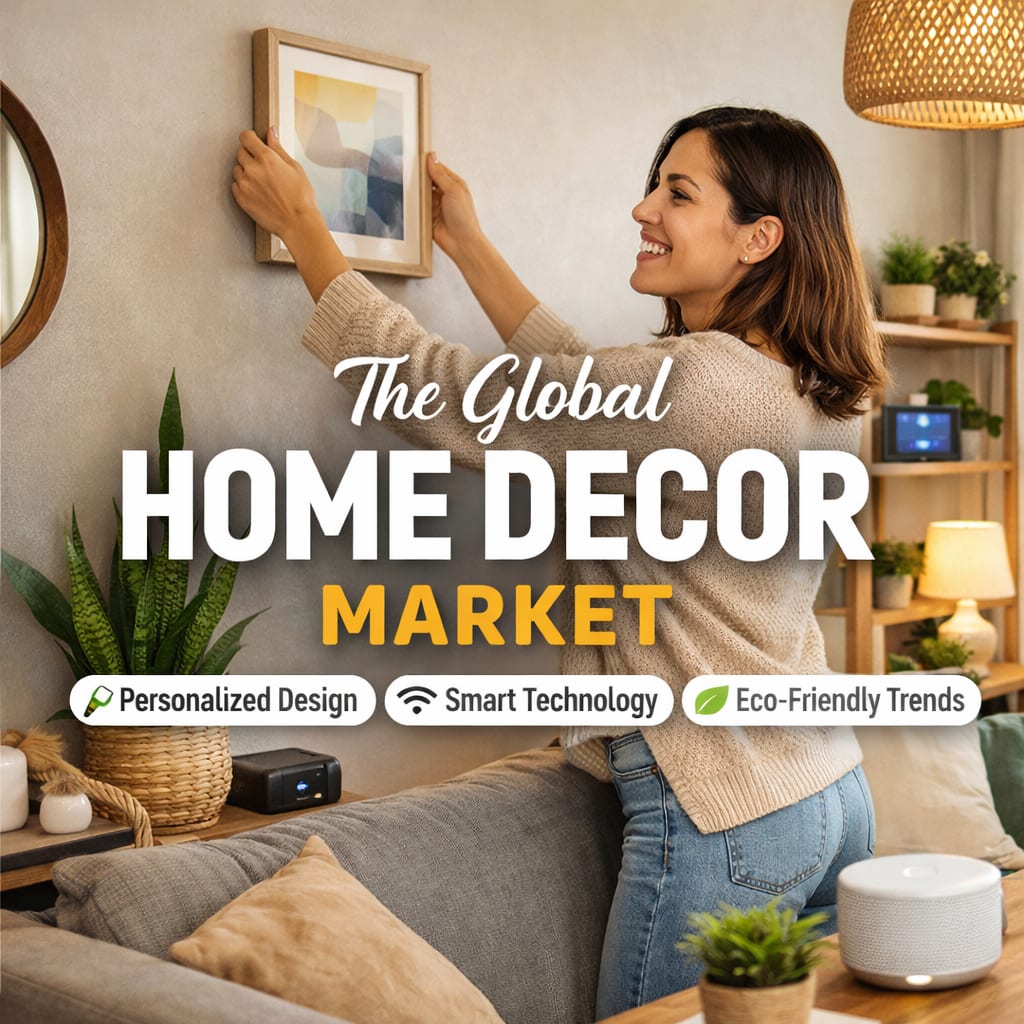
Walk into any modern home today‚ and you realize that a house isn't just a place to live anymore․ Your house is a canvas for your personality and lifestyle․
Everything from lighting to furniture to connected technology is a form of self-expression․ Home decor‚ which was once a supplement to the home‚ has become essential to many consumers․
The growth of this trend by people improving the comfort‚ utility‚ and aesthetics of the home has contributed to the growth of the global home decor market․
A Market Growing with Changing Lifestyles
As of 2025‚ the global home decor market size was estimated to be USD 810․5 Billion and is projected to grow to USD 1‚128․1 Billion by 2034․
This represents an annual growth rate of 3․7% between 2026 and 2034․
It might not seem like much‚ but it's indicative of a larger trend‚ where people are starting to value their homes as more than just walls and a roof․ They're places for wellness‚ work‚ and retreat․
Why Home Decor Is More Important Than Ever
The way in which people think about their homes has changed in recent years․
These changes are motivated by several factors․
- Many are also spending more time at home due to remote and hybrid work․
- Awareness of mental well-being improves with increased comfort․
- Increasing influence of social media and interior design trends․
- In many regions‚ disposable income is on the rise․
As a result‚ there are people creating spaces that are both functional and pleasant to the eye․
Home decor is no longer just about luxury‚ but lifestyle․
The Rise of Personalization in Interior Design
Personalization is one of the biggest trends in the home decor market․
People are no longer interested in maintaining a blank space and are looking for decor that reflects their own style․
As a result‚ there has been increased demand for:
- Custom furniture
- Handmade and artisanal products
- Unique wall decor and statement pieces
- A vintage‚ minimalist design aesthetic
Social media also plays a key role in changing how people decorate their homes‚ through platforms presenting curated homes and design ideas․
As a result‚ there is an increased demand for unique‚ one-of-a-kind‚ non mass-produced forms of decor․
A Strong Shift Toward Health and Wellness
Another trend in home decor has been a focus on health and wellness․
Increased use of natural materials for decoration and increased awareness of sustainability in the construction industry‚ are popular trends․
- Natural wood
- Bamboo
- Organic fabrics
- Non-toxic paints
And the change is about not only sustainability but improving the quality of the interior environment․
Furthermore‚ there has been an increased interest in biophilic design‚ which attempts to incorporate nature into buildings‚ such as through plants‚ sunlight‚ and natural textures․
Such positive results are known for stress reduction‚ mood elevation‚ and an improved wellbeing․
Furniture design is also changing to stress better ergonomics and support to improve posture and reduce strain as people work․
Smart Homes Are Redefining Decor
Technology is becoming an integral part of home decor․
Thus‚ today's homes are not just stylish but smart․
Smart decor solutions are prompting people to rethink the ways they interact with their space․
Smart lighting systems change their state based on mood or time of day․
- Voice-controlled assistants for everyday tasks
- Automatic curtains and window shades
- Smart thermostats for energy efficiency
These technologies can also provide comfort‚ energy management‚ and security for the building․
For example‚ smart lighting can automatically adjust to the natural light in a home‚ which saves electricity‚ while smart appliances may provide homeowners with remote control capabilities․
This technology‚ as well as design‚ is one of the major drivers of market growth․
The Rise of DIY and Space-Saving Furniture
Today's consumers are also taking a more active role in the decoration of their homes․
With the rise of the DIY trend among younger generations‚ there are many inexpensive and creative ways to decorate and furnish a room․
At the same time‚ urban living has driven demand for space-saving and multifunctional designs․
Compact apartments and small housing require space-efficient furniture solutions‚ such as:
- Foldable furniture
- Modular storage systems
- Multi-purpose decor items
These innovations afford users increased usability‚ without sacrificing aesthetic appeal․
Where the Market Is Growing the Fastest
The home decor market is growing across the world‚ with regional differences․
North America is the largest market due to consumer demand‚ developed retail infrastructure‚ and focus on home improvement activities․
The Asia-Pacific region also has the future potential to be a growing market for the interior design profession with increasing incomes‚ urbanization‚ and design trends permeating the area․
Europe remains a core market known for valuing sustainability and high-quality design․
The Middle East and Latin America have been singled out for their high potential and some strong growth experienced in recent years․
Sustainability Is Becoming a Key Focus
Sustainable living is not an afterthought for the home decor industry; it is an expectation․
There is a growing demand for products that are:
- Eco-friendly
- Ethically sourced
- Durable and long-lasting
Manufacturers‚ in turn‚ are promising to be responsible with waste and to use recyclables․
This shift is not only helping the environment‚ but also creating new opportunities for brands committed to sustainability․
A Competitive and Fast-Changing Industry
The home decor market is competitive‚ featuring both established global companies and smaller local players․
Companies are focusing on:
- Expanding product ranges
- Offering personalized options
- Strengthening online presence
Products may be embedded with smart technology
Online shopping is another influence: it allows consumers to browse a range of decor items‚ compare prices and make a more informed purchasing decision within the confines of their own homes․
Challenges That Could Shape the Market
There are‚ however‚ a few challenges facing the industry․
Manufacturers need to meet sustainability standards which may be difficult or expensive to meet‚ and also respond to shifting consumer tastes․
Nonetheless‚ they have created opportunities for brands able to respond quickly and offer innovative‚ high-quality products with a distinct style․
Looking Ahead
The home decor market is expected to continue increasing as homes become more multipurpose and versatile․
The trends towards personalization‚ wellness and smart living also drive demand for creative‚ customized solutions for residential decor․
The market is projected to be over USD 1․1 trillion by 2034‚ highlighting its long-term sustainability․
Creating a home environment is not just about aesthetics; it's also about lifestyle‚ comfort‚ and the well-being of the occupants․
Final Thoughts
The way people design their homes is changing‚ and it doesn't seem to be slowing down․
Hardware innovations‚ a push towards sustainability‚ and an inclination towards personalizable interiors also drive the home decor market․
It's not simply a purchase․ It's an extension of how people live‚ how people feel about and experience their everyday environments․
If you found this insightful, feel free to share your thoughts or how you’re redesigning your space.
About the Creator
Robert
Senior Market Researcher at IMARC Group, specializing in global market analysis, industry trends, and data-driven insights across diverse sectors.
Enjoyed the story? Support the Creator.
Subscribe for free to receive all their stories in your feed.
Comments
There are no comments for this story
Be the first to respond and start the conversation.