
Why Dubai’s Most Famous Landmarks
are Actually Worth the Hype
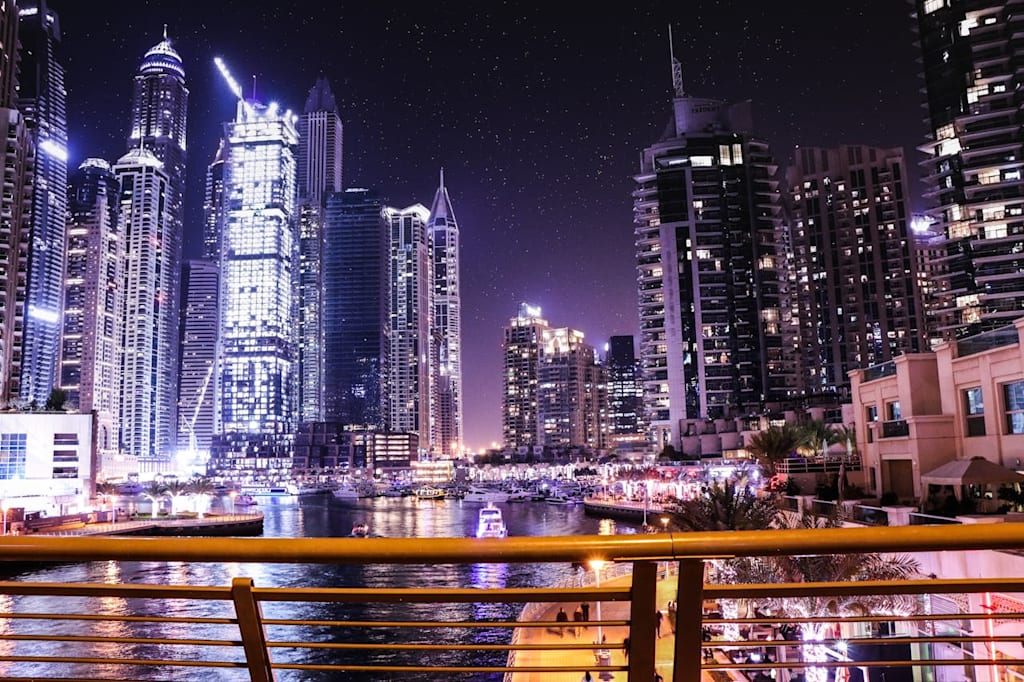
Dubai is a city built on pure ambition. It’s a place where record-breaking skyscrapers sit right next to historic waterways that haven't changed in decades. From the towering steel of the Burj Khalifa to the man-made islands of the Palm and the high-end Jebel Ali hotels, every spot in this city tells a story of a massive transformation.
The Giants of the Skyline
Dubai’s skyline is probably one of the most recognisable on the planet, dominated by architectural feats that show just how fast this city has grown. At the very centre of it all is the Burj Khalifa. At 828 metres, it’s the tallest building in the world, and while it looks impressive from the ground, the view from the observation decks is what really matters. You get a 360-degree look at the city, the desert, and the coast, which gives you a real sense of the scale of this place.
Right next door is the Dubai Mall. It’s one of the biggest shopping hubs globally, but it’s more than just a place to buy clothes. It’s an entertainment destination in its own right, with huge aquariums and indoor ice rinks that make you forget you’re in the middle of a desert.
Then there’s the Burj Al Arab, that famous sail-shaped hotel on its own island, and contemporary stays like JA The Manor Hotel, which show off the city's sleek, modern side. It’s become a global symbol of the luxury Dubai is known for, and even if you aren’t staying there, just seeing it from the beach is a "bucket list" moment.
Engineering That Defies Logic
Dubai is famous for taking a wild idea and actually building it. Nowhere is this more obvious than at the Palm Jumeirah. This palm-shaped artificial island was built from reclaimed land and basically doubled the size of the city’s coastline. It’s now a massive hub for luxury resorts and villas, and driving down the "trunk" of the palm is a surreal experience.
Just as impressive is the Museum of the Future. It looks like a giant silver ring covered in Arabic calligraphy, and it’s dedicated to cutting-edge tech and the ideas that will shape the next few decades. These spots are iconic because they show how Dubai blends creativity with hardcore engineering, turning "impossible" concepts into real places people can visit.
Finding the Soul of Old Dubai
While the modern side of the city gets all the headlines, the cultural and historic spots are what give Dubai its real identity.
The Dubai Creek is where the city’s history as a trading hub began. You can still hop on a traditional wooden boat, known as an abra, for just a few dirhams. It’s a great way to cross the water and connect with the heritage districts.
Exploring this side of town lets you see these treasures:
The Gold and Spice Souks: Boutique traditional markets where the smells and sights are a world away from the air-conditioned malls.
Historic Neighbourhoods: Where wind-tower architecture and artisanal architecture show how people kept cool before electricity. Neighbourhoods like Al Fahidi are a true testament to craftsmanship and heritage.
Authentic Local Culture: Where the pace is slower, and the history is tangible.
Experiences That Stay With You
Dubai isn't just about looking at things; it’s about being part of the spectacle. The Dubai Fountain, right at the foot of the Burj Khalifa, is the world’s largest choreographed fountain system. Watching the water jets dance to music and lights at night is a genuinely impressive experience, and it’s free for everyone to enjoy.
Beyond the fountains, the city excels at turning simple activities into something massive. Whether it's the sky-high lounges overlooking the Marina or the waterfront promenades lined with restaurants, everything is designed to be immersive.
Why These Spots Really Matter
What makes these attractions iconic isn't just that they’re popular; it’s the mix of scale and diversity. You get a unique contrast that you don't find in many other cities. You can spend your morning exploring the historic Creek and your afternoon inside a museum dedicated to the year 2071.
The city focuses on "experience-driven" tourism. Nothing is ordinary here. Whether you’re looking at the skyline from a thousand feet up or watching a fountain show at sunset, these landmarks tell the story of Dubai’s journey from a modest fishing port to a global metropolis. Each site is a symbol of that ambition, making them more than just tourist stops; they're the heart of the city’s identity.
About the Creator
Enjoyed the story? Support the Creator.
Subscribe for free to receive all their stories in your feed.
Comments
There are no comments for this story
Be the first to respond and start the conversation.