
Where Kindness Ends and Something Else Begins
First the car was too loud. Then the garage door wasn't enough. Then she asked to know every time we left.
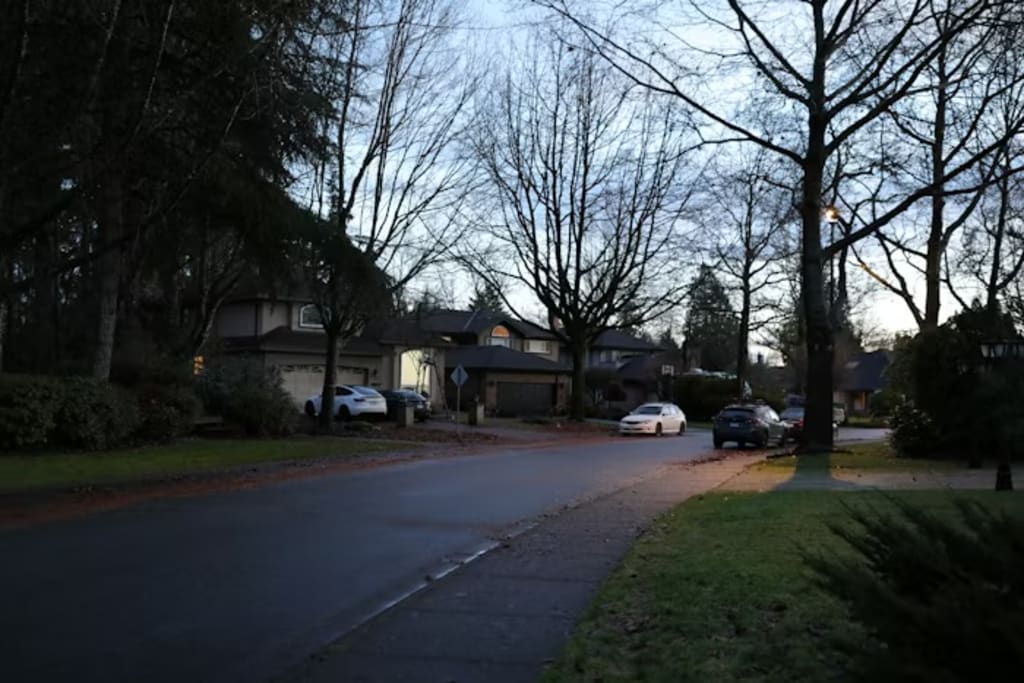
We have never been difficult neighbours. Five years in the same block of townhouses, and I say that not as self-congratulation but as context. We keep to ourselves, maintain the property, pay what we owe, and have always made the effort to get along with the eleven households spread across the three subdivisions around us. My husband works regular hours. I'm a nurse on night shifts, which means I sleep at unusual times and have learned to do so through a fair amount of ambient noise. We are not precious people. We are not complainers. We built a quiet, functional life and assumed, without really thinking about it, that we were the kind of neighbours everyone hopes for.
Then the first knock came.
It wasn't our neighbour herself — I'll call her Claire — but her landlord, arriving at our door to relay a complaint about my husband's car. The car is a sports car, his pride and genuine joy, though it's completely standard and unmodified. It isn't especially loud. He doesn't sit in the driveway running the engine for fun. He starts it, leaves quickly, and that's that. I sleep through it without difficulty, and I'm someone who needs real quiet after a night shift. Still, we listened. A complaint is a complaint, and the decent thing is to take it seriously.
The landlord visit was followed by Claire's mother. Then her mother again. Each time a slightly different version of the same concern — the car was too loud, my husband had been revving it at half past five in the morning, could something be done. The timing made no sense since he doesn't leave until eight, but we didn't argue the point. By the third visit from someone acting as Claire's representative, we decided we should simply go and speak to her directly.
What we found was not what we expected. Claire opened the door and within minutes she was crying — genuinely distressed, not performing it. She explained that she lives with chronic anxiety and a number of health problems, that sudden loud sounds trigger panic attacks, and that my husband's car had become a source of real fear for her mornings. Something shifted in me when she said that. The frustration I'd been quietly carrying dissolved, and what replaced it was straightforward sympathy. This was a person who was suffering, and we lived next door.
We offered a solution on the spot. My husband would start the car with the garage door closed, muffling the sound before he pulled out. We tested it together — Claire stood outside while he started the engine, and the difference was noticeable enough that she said, with obvious relief, that it helped. She was grateful. We were glad to have found something workable. She even offered to contribute toward acoustic panels for the garage, which we thought was generous and said so. We went home feeling like the situation had been handled the way good neighbours handle things — with a bit of patience, a bit of give, and a reasonable outcome for everyone.
That feeling lasted until this morning.
A text arrived from Claire saying that the garage compromise, while helpful, hadn't fully resolved her anxiety. The problem now was that she couldn't relax because she didn't know when my husband might leave. The unpredictability itself had become the source of distress. Her solution was for us to text her every time we left the house, so she could prepare herself.
I put the phone down and sat with that for a while.
I want to be fair to her, because I think her anxiety is real and her suffering is genuine. I don't believe she is inventing any of this, and I haven't stopped feeling sympathy for what she lives with daily. But I noticed something in myself reading that message — a line being crossed that I hadn't fully seen coming. The garage door compromise was an adjustment to how we did something. Sending a text every time we leave is something different. It's an adjustment to the basic freedom of moving through our own lives without accounting for ourselves to anyone.
We're not a schedule. We're not a service. We're two people living in a home we pay for, going about days that belong to us. The fact that our departure times have become a source of anxiety for someone else is something I feel genuinely sad about. It is not, however, something we caused, and I'm not sure it's something we can fix — not without handing over a degree of autonomy that, once surrendered, would be very difficult to reclaim.
Accommodation has a shape. It has a reasonable edge. And I keep asking myself the same question since that text arrived: at what point does adjusting your life for someone else's comfort stop being kindness, and start being something that quietly dismantles your own?
About the Creator
Bertyl Kently
Personal essays about family, boundaries, and the moments that shape us
Enjoyed the story? Support the Creator.
Subscribe for free to receive all their stories in your feed.
Comments
There are no comments for this story
Be the first to respond and start the conversation.