
What to Do When Your Car Fails Its Safety Inspection
You take your car to the mechanic expecting a routine inspection. Instead, you receive a long list of repairs and a bill that could cost more than the vehicle itself.

You take your car to the mechanic expecting a routine inspection. Instead, you receive a long list of repairs and a bill that could cost more than the vehicle itself.
Sound familiar? For many Australian car owners, this is when they start questioning whether their old car is still worth keeping. A failed safety inspection doesn't always mean the vehicle has reached the end of its life. However, it does mean you have some decisions to make. Before spending thousands of dollars on repairs, consider your options.
1. Understand Why Your Car Failed the Inspection
First, ask your mechanic to explain exactly what went wrong. A vehicle may fail a safety inspection for several reasons, including worn tyres, faulty brakes, damaged suspension, steering problems, excessive rust or defective lights.
Some problems are relatively inexpensive to fix. Others require major repairs that can quickly become costly.
Ask your mechanic for an itemised quote and find out which repairs are necessary to make the vehicle roadworthy.
In NSW, a safety inspection, commonly called a pink slip, is generally required to renew the registration of most light vehicles more than five years old.
Understanding the problems will help you decide whether repairing or selling the car makes more sense.
2. Compare Repair Costs With Your Car's Value
Imagine owning a 15-year-old car with a market value of $3,000. After the inspection, your mechanic estimates that it needs $2,500 worth of repairs. Would you spend that much to keep it running? The answer depends on the vehicle's overall condition.
If the engine and transmission are still reliable, repairing the car might be worthwhile. However, if it has a history of breakdowns and needs additional maintenance, spending more money could become an ongoing problem.
Research the current market value of similar vehicles. Compare their age, mileage and condition with yours. Then calculate how much you would need to spend to get your vehicle back on the road.
3. Consider Getting a Second Opinion
Before approving expensive repairs, consider visiting another qualified mechanic. A second inspection may help you understand whether the original repair estimate is reasonable.
You might discover that certain components can be repaired rather than replaced. Alternatively, another mechanic may confirm that the vehicle requires extensive work.
Make sure any repairs meet the relevant safety standards. A cheaper repair isn't necessarily worthwhile if it doesn't resolve the underlying problem.
If the vehicle is unsafe or unregistered, arrange appropriate transportation rather than driving it to another workshop.
4. Think About the Car's Long-Term Reliability
Passing a safety inspection doesn't guarantee that your car will remain reliable for another year. An older vehicle may have several components approaching the end of their useful life. For example, you might replace the brakes and suspension today, only to experience transmission problems a few months later.
Consider the car's maintenance history. Has it required frequent repairs? Does it regularly break down? Are replacement parts becoming difficult to find? If you are constantly spending money on repairs, keeping the vehicle may no longer be practical.
5. Explore Your Options Before Spending More Money
If you decide against repairing your vehicle, you still have several options. You could advertise it privately as an unroadworthy car, sell it to a mechanic or auto wrecker, or arrange professional vehicle removal.
Private selling may work if someone is interested in repairing the car. However, finding a buyer willing to purchase an unroadworthy vehicle can take time.
Alternatively, a Cash for cars service may offer to purchase your unwanted vehicle based on its condition, make, model and salvageable components. This can be useful if you don't want to spend additional money preparing the car for a private sale.
6. What If Your Car Can No Longer Be Driven?
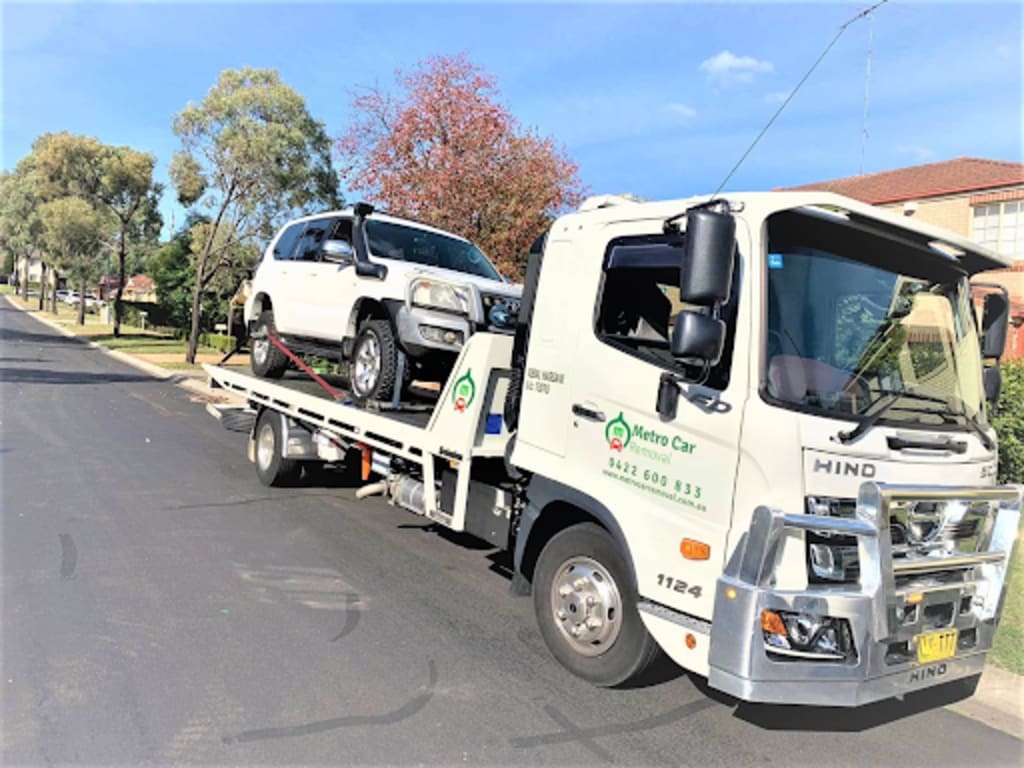
A failed inspection can leave you with a vehicle that cannot legally or safely be driven on public roads. This creates another problem: how do you transport it?
Hiring a tow truck separately can add to your expenses. If you are considering a Cash for cars Sydney service, ask whether vehicle collection and towing are included in the offer.
Some removal companies can collect damaged, non-running and unroadworthy vehicles directly from your property. Before accepting an offer, confirm the payment amount, collection arrangements and any applicable fees.
7. Prepare Your Vehicle Before Selling It
Once you decide to sell your car, there are a few things to organise. Start by removing your personal belongings. Check the glovebox, boot, centre console, door pockets and underneath the seats.
Next, gather any documents required to establish your ownership. If the vehicle is registered in NSW, check the relevant Service NSW requirements for selling or disposing of it. Depending on the circumstances, you may need to submit a notice of disposal or cancel the registration.
Remember to remove your toll tag and update your toll account. These small steps can prevent unnecessary complications after the vehicle leaves your property.
8. Don't Ignore a Failed Safety Inspection
It can be tempting to leave an unroadworthy car sitting in the driveway while you decide what to do. However, waiting won't necessarily make the situation easier. The vehicle may continue deteriorating, particularly if it remains outdoors for an extended period.
If you intend to repair it, establish a realistic budget and timeframe. If you have decided to sell it, start researching your options instead of leaving it unused indefinitely.
Final Thoughts
Failing a safety inspection can be frustrating, especially when you weren't expecting an expensive repair bill. However, it can also be an opportunity to reconsider whether keeping your old car is financially worthwhile.
Compare repair costs, get professional advice and consider the vehicle's long-term reliability before making a decision.
If the repairs are too expensive, selling your unwanted car may be a practical alternative to spending more money on a vehicle you no longer want to maintain.
About the Creator
Enjoyed the story? Support the Creator.
Subscribe for free to receive all their stories in your feed.
Comments
There are no comments for this story
Be the first to respond and start the conversation.