
What the Police Report Does for Strengthening a Car Accident Claim
Car Accident Claim

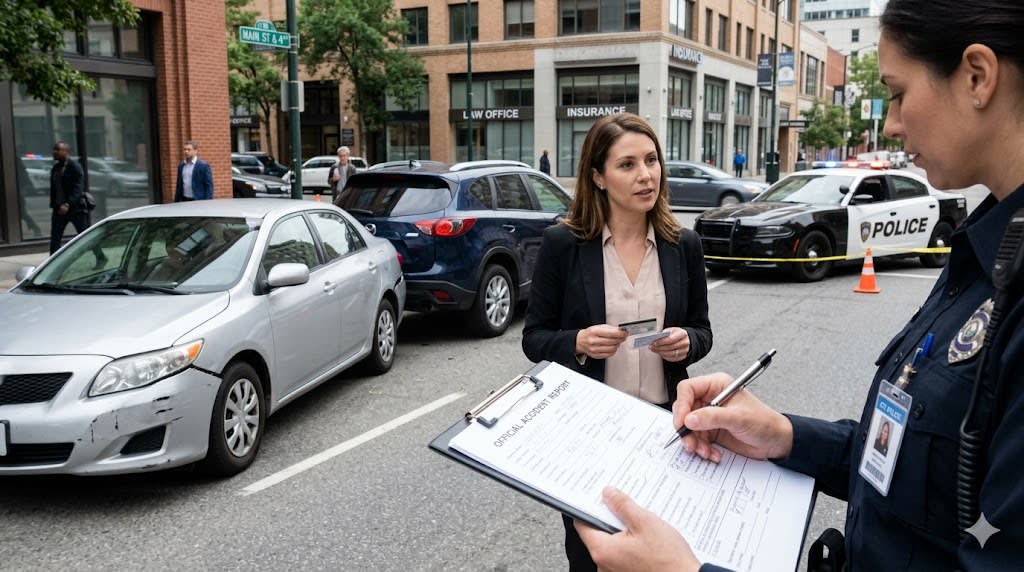
After a crash in Cleveland, the police report often becomes the first shared version of what happened, especially when traffic is cleared from the Shoreway, a downtown intersection, or a neighborhood street off Lorain Avenue. It can preserve officer observations, driver statements, vehicle positions, road conditions, and witness information before repairs, weather, and memory begin changing the evidence available later.
A car accident lawyer in Cleveland may use that report as a starting point, not the whole case. The useful work is to check whether the diagram, citation, narrative, and witness list match the photos, repair estimates, medical records, and timing. When those sources line up, the claim looks less like competing stories and more like a documented sequence of fault.
Why the Report Matters Early
Insurance reviews start quickly, and small inconsistencies can slow everything down. In Cleveland, guidance from a car accident lawyer can help match the report with photos, clinical notes, and witness accounts. That cross-check matters because a single mismatch may trigger recorded questions, extra paperwork, or stalling. A clean, consistent file keeps focus on recovery, not confusion.
What Officers Usually Record
Most reports list date, time, and exact location. Identifiers appear for drivers, passengers, vehicles, and insurers. Many forms include roadway type, weather, lighting, and control devices. A narrative field often summarizes statements and visible damage. Some agencies attach a sketch showing vehicle positions and travel paths, which can help later analysis.
Fault Signals Insurers Look For
Adjusters look for signals tied to responsibility. Citations, noted violations, and right-of-way comments can shape early decisions. Point-of-impact notes may match bumper height, crush patterns, and skid traces. If signs of impairment, distraction, or unsafe speed appear, settlement talks can shift quickly. Each item becomes a reference during later interviews.
Witness Names and Contact Paths
A report can provide a neutral route to witnesses. Names, phone numbers, and summaries may be included. That access helps preserve accounts before details fade or stories change. If someone becomes hard to reach later, early outreach attempts can still be logged. A complete list also discourages selective retelling by either driver.
Scene Details That Back Up Photos
Photos matter, yet the report can capture context a camera misses. Officers may note debris spread, lane markings, sight blocks, or signal issues. Airbag deployment and final rest positions are often documented. Those details can support injury mechanics, including neck strain from abrupt deceleration. Strong scene notes also explain why modest vehicle damage can still accompany tissue irritation.
Timing, Dispatch, and Medical Links
Timestamps can connect collision events with care timelines. Dispatch time, arrival time, and ambulance involvement can support prompt-treatment arguments. Shock can blunt pain early, so later symptom onset is common. When clinical records show same-day complaints, the report helps frame causation. Long gaps between impact and evaluation often invite doubt.
Diagram and Narrative, Read With Care
Diagram limits
A diagram offers a quick snapshot, not a full reconstruction. Measurements may be limited, and positions can reflect roadside statements made under stress.
Narrative limits
Narratives can include paraphrases, assumptions, or simple errors. Each line should be checked against photos, vehicle damage, and medical documentation. If the direction of travel is wrong, confusion can spread through the claim. Careful review helps prevent mistakes from hardening into fixed talking points.
How to Request Corrections
Most departments allow supplements or corrections. A driver can request a review for material errors, such as location, vehicle identity, or insurer details. Supporting items may include photos, repair receipts, or verified appointment times. Clear, narrow requests tend to work better than broad complaints. Copies of every submission should be saved for the claim record.
Using the Report With Other Proof
A strong claim treats the report as one piece of a larger file. Clinical notes document symptom progression, function limits, and treatment response. Repair estimates, scans, and parts lists show impact forces and contact points. Phone records can address distraction allegations when obtained through proper legal steps. When sources align, insurers have less room to argue.
Common Mistakes That Weaken It
Some drivers accept blame while shaken, then regret those words. Others fail to check the report for name, plate, or policy errors. Delayed care can conflict with recorded timing, even when pain truly starts later. Leaving before exchanging full details can create missing links. Conflicting versions shared with multiple adjusters also raise suspicion.
Conclusion
A police report strengthens a car accident claim by preserving early facts in a format insurers often trust. It can identify witnesses, document scene conditions, and support a clear timeline linking impact with care. Still, the document should be reviewed for errors and backed by photos, clinical records, and repair documentation. When records tell one coherent story, negotiations usually move faster, and responsibility disputes shrink for our families.
About the Creator
Abbasi Publisher
I’m a dedicated writer crafting clear, original, and value-driven content on business, digital media, and real-world topics. I focus on research, authenticity, and impact through words
Enjoyed the story? Support the Creator.
Subscribe for free to receive all their stories in your feed.
Comments
There are no comments for this story
Be the first to respond and start the conversation.