
What is Digital Fatigue? How Can It Be Prevented?
"How Screen Overuse is Affecting Our Eyes, Mind, and Body—and What to Do About It"
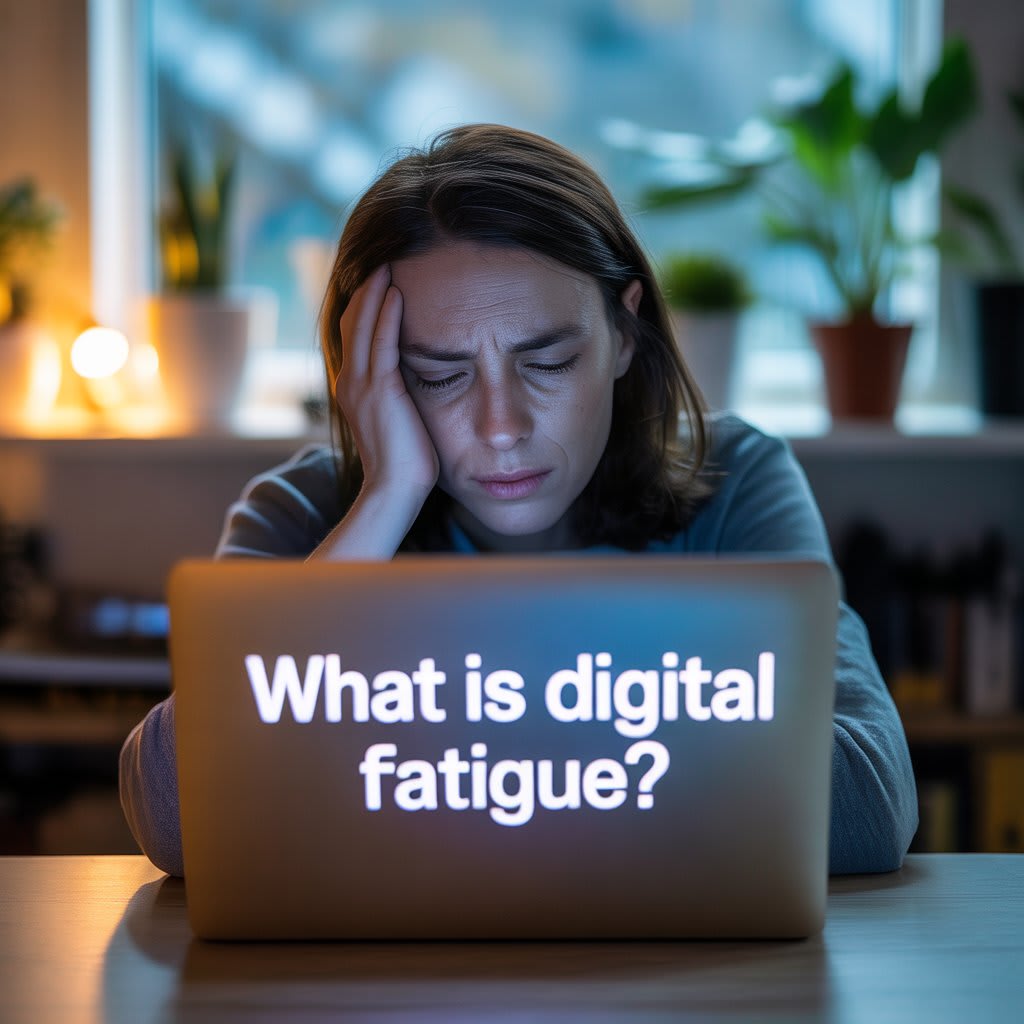
In today’s fast-paced digital world, technology has become an essential part of our daily lives. Whether it's work, education, entertainment, or social connection, screens dominate nearly every aspect of our routines. From mobile phones and tablets to laptops and desktop computers, we are constantly interacting with digital devices. However, this increasing screen time has given rise to a modern health condition known as Digital Fatigue, also referred to as Digital Eye Strain or Screen Fatigue.
According to recent studies and health experts, a significant number of people — especially teenagers, office workers, and students — are now falling victim to this condition. The situation has become so common that digital fatigue is now being considered a public health concern, especially in urban areas where digital exposure is unavoidable.
Symptoms of Digital Fatigue
Digital fatigue can present itself through several physical and mental symptoms. Some of the most commonly observed signs include:
- Eye strain or dryness
- Headaches
- Blurred or double vision
- Difficulty focusing
- Mental exhaustion
- Neck and shoulder pain
- Sleep disturbances
Irritability or reduced productivity
Spending extended hours in front of screens causes the eyes to work harder. Unlike reading a printed page, screen text adds strain because of glare, flickering, and poor contrast. Additionally, people tend to blink less when using screens, which results in dry, irritated eyes.
Causes of Digital Fatigue
The root cause of digital fatigue is the excessive and unregulated use of digital devices. Social media, online classes, remote jobs, binge-watching series, video calls, and constant notifications push people to spend long hours staring at screens without proper breaks. Poor lighting, bad posture, and screen positioning further aggravate the condition.
As per health experts featured in a segment on Aaj News, young people today are especially vulnerable because of their heavy reliance on mobile phones and computers for both work and leisure. The constant digital connectivity has blurred the line between personal and professional life, leading to overexposure and burnout.
Long-Term Effects
If left unaddressed, digital fatigue can lead to more serious health problems, such as:
- Chronic migraines
- Depression and anxiety
- Insomnia
- Vision problems (e.g., Computer Vision Syndrome)
- Decreased work performance
For individuals who already suffer from vision or neurological conditions, digital fatigue can worsen symptoms and negatively impact overall well-being.
How to Prevent or Manage Digital Fatigue
Fortunately, digital fatigue is preventable and manageable with a few conscious changes to one’s daily routine. Experts recommend the following tips:
- Follow the 20-20-20 Rule
Every 20 minutes, take a 20-second break and look at something 20 feet away. This helps relax the eye muscles and reduces strain.
- Take Regular Breaks
Don’t use screens continuously for hours. Take short breaks between tasks to stretch, walk around, or rest your eyes.
- Adjust Your Screen Settings
Ensure that brightness, contrast, and font size are comfortable. Consider using blue light filters or night mode.
- Maintain Good Posture
Sit upright with the screen at eye level. Avoid slouching or lying down while using devices.
- Limit Screen Use Before Bed
Avoid using mobile phones or laptops at least one hour before sleeping. This helps regulate melatonin levels and improves sleep quality.
- Use Artificial Tears or Blink Often
To prevent dry eyes, blink consciously or use lubricating eye drops after consulting a doctor.
- Stay Physically Active
Daily exercise, outdoor walks, and yoga can relieve tension caused by prolonged sitting and screen use.
- Consult a Specialist
If you frequently experience discomfort, headaches, or eye pain, consult an optometrist or healthcare provider for appropriate treatment.
Conclusion
Digital fatigue is a growing concern in our tech-driven lives. While we cannot eliminate the use of digital devices, we can certainly use them more responsibly. Creating a balance between screen time and real-world activities is essential for long-term health. Awareness, early identification of symptoms, and simple lifestyle adjustments can go a long way in preventing digital fatigue and ensuring a healthier, more productive life.
About the Creator
Enjoyed the story? Support the Creator.
Subscribe for free to receive all their stories in your feed.
Comments
There are no comments for this story
Be the first to respond and start the conversation.