
What Does Your Work Mean To You?
The importance of feeling fulfilled

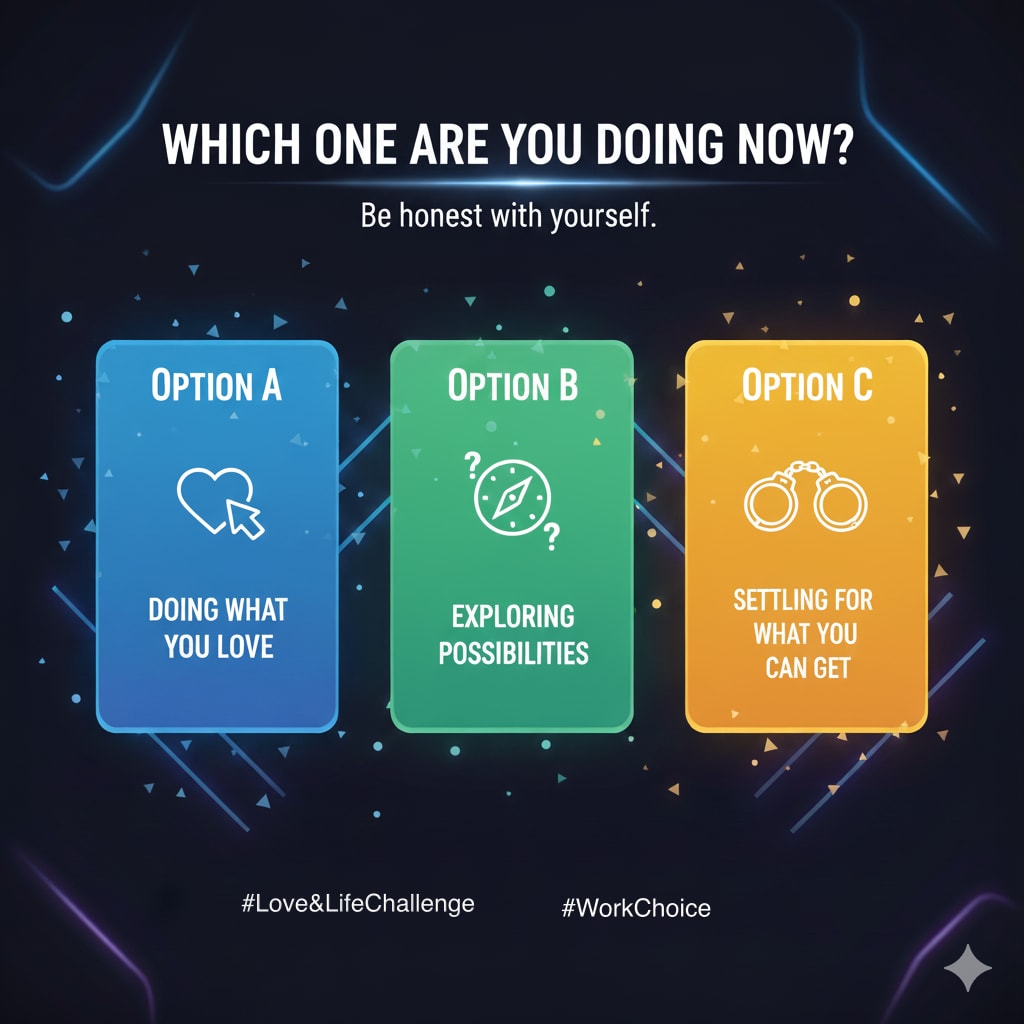
Sometimes it is not easy to be honest with ourselves when we have made bad decisions, or have not achieved our aims. But acknowledging why we are doing the job we do, or have taken a certain career path, could also help to clarify who we are, where we are going, or what we need to do to confidently reach that state.
It is easy to not face up to our reality in times of disappointment because a tense friction occurs when the reality of a poor outcome clashes with our need to believe in our own judgement. Being honest with ourselves about the decisions we have made - especially when those decisions lead to heartbreak or regret - is one of the most painful emotional hurdles a person can face, for two key reasons.
1. For Self-Protection
When a decision results in a painful result, our immediate, instinctive response is rarely an honest self-reflection; it is more likely to be self-protection. Admitting that a poor outcome was the direct consequence of our own misjudgement, naivety, or stubbornness feels like a threat to our ego. To protect our self-image, we instinctively construct more suitable external narratives:
We are likely to attribute the failure entirely to bad luck, unforeseen circumstances, or the fault of others, seeing ourselves as helpless victims of fate rather than active participants in our choices. We then minimise the weight of the disappointment, convincing ourselves that "it didn't really matter, anyway" or that we "never actually wanted it," choosing numbness over accountability. This view encourages us to double down on bad paths, convincing ourselves that if we just endure a little longer, the original decision will eventually prove to have been right all along.
These cognitive defences serve a temporary purpose: they shield us from the acute shock of humiliation, but they also carry a hidden cost. By refusing to own the truth of our choices, we place ourselves in a lower status within our own lives - relinquishing our power to change course.
2. Avoiding the Weight of True Honesty
We behave that way because looking plainly at a disappointing outcome and actually acknowledging that, "I chose this, and I was wrong," requires immense courage. It forces us to confront the uncomfortable truth that our judgement is imperfect, that our desires can blind us to the reality, and that our actions have inescapable consequences.
The true difficulty of such honesty stems from several internal hurdles. For example, we frequently mistake a flawed decision for a flawed character, because we equate making a mistake with being a mistake. Admitting fault feels like a total loss of our self-respect. Acknowledging a bad decision also means officially laying to rest the hopeful future we had perceived when we made the choice. Honesty requires us to mourn what could have been. Most importantly, true self-honesty tends to strips away all excuses. It leaves us standing exposed in the reality of our current situation, devoid of the comforting cushions of denial or rationalisation.

Reclaiming Your Power Through Truth
While denying our missteps preserves a fragile ego, in the short term, it ultimately keeps us feeling anxious, trapped, and impotent. By refusing to accept reality, we sentence ourselves to repeat the same patterns, continually making decisions from a place of unexamined fear or pride.
True self-honesty, which can be agonising at first, is the ultimate act of self-respect. When you stop hiding from the consequences of your choices, the shift in your perspective can be profound:
Admitting a bad decision restores your confidence and power. If you are responsible for where you’ve ended up, you are equally empowered to choose where you go next.
A disappointing outcome is only a total loss if you refuse to learn from it. Honesty allows you to accept the disappointment and then devise the clear, definitive wisdom required to make better choices in the future.
Real confidence does not come from believing you will always make the perfect choice; it comes from knowing that even when you make a mistake, you have the maturity and integrity to face the truth, take responsibility, and rebuild.
So which work choice applies to you?
• Like this post? Show your appreciation with a SUBSCRIPTION and even a TIP. Thanks for your support! •
SubscribeAbout the Creator
Elaine Sihera
British Life Coach & Consultant. Founder of LOVE & LIFE: The Growth Guide, for insights into managing challenging life issues. Author of books on Confidence, Relationships & Wellbeing. Graduate/Doctor of Open Univ; Postgrad Cambridge Univ.
Enjoyed the story? Support the Creator.
Subscribe for free to receive all their stories in your feed.
Comments
There are no comments for this story
Be the first to respond and start the conversation.