
Vladimir Krull Explores the Interior Design Trends Redefining Modern Living in 2026
From warm minimalism and natural materials to personalized spaces and thoughtful lighting, discover how contemporary interior design is making homes more comfortable, functional, and expressive.
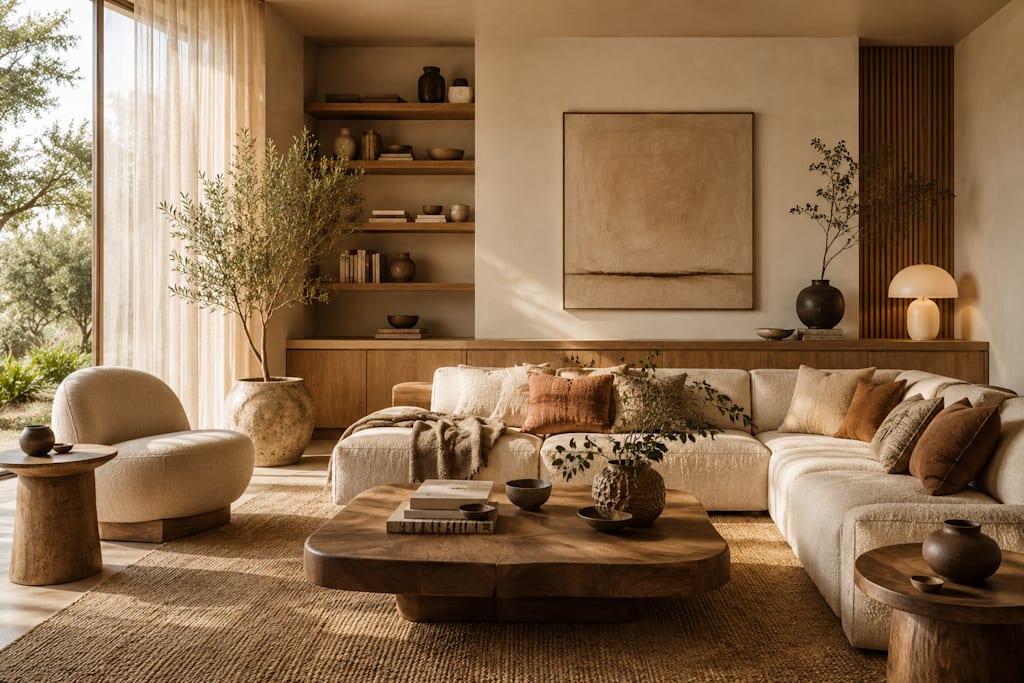
Interior design is moving beyond the idea that a beautiful home must look perfect in every photograph. In 2026, the conversation is increasingly focused on how people experience their surroundings every day. Comfort, functionality, individuality, and a stronger connection with nature are influencing the way living spaces are planned and decorated.
For Vladimir Krull, exploring modern interior design means looking beyond temporary decorating trends to understand how materials, colors, furniture, and lighting can work together to improve everyday living. The most compelling interiors are not necessarily the most expensive or elaborate. They are the ones that reflect the people who inhabit them while remaining practical enough to accommodate changing needs.
Several design directions are helping shape this evolving approach to contemporary homes.
1. Warm Minimalism Is Replacing Cold, Empty Spaces
Minimalism remains an important influence in interior design, but its appearance is becoming more welcoming. Rather than relying exclusively on stark white walls, sharp contrasts, and almost empty rooms, warm minimalism introduces softer colors, tactile materials, and carefully selected furnishings.
Cream, sand, taupe, muted brown, and warm gray provide a calm foundation. Natural wood furniture, textured upholstery, woven accessories, and subtle decorative details add character without making the space feel crowded.
The appeal of this approach lies in its balance. A room can remain visually uncluttered while still feeling personal and inviting. Instead of removing everything that does not serve an immediate purpose, homeowners can select a few meaningful objects that contribute to the atmosphere.
The result is a more relaxed interpretation of simplicity, where thoughtful choices matter more than the number of items in a room.
2. Natural Materials Are Bringing Authenticity Indoors
Another influential direction is the continued interest in materials that reveal their natural character. Wood, stone, linen, wool, clay, and handcrafted ceramics can introduce subtle variation into interiors that might otherwise feel overly uniform.
A wooden dining table with visible grain, a stone countertop with distinctive markings, or linen curtains that filter daylight can add depth without demanding attention. These materials often work particularly well when combined rather than used in isolation.
For example, pairing warm oak with textured upholstery and a restrained stone finish creates contrast through texture instead of relying on bold colors. This makes the interior visually interesting while preserving a cohesive appearance.
Material selection also affects maintenance and long-term value. Homeowners should consider durability, cleaning requirements, and the suitability of each finish for its intended location. Natural materials are not automatically the most sustainable option in every situation, so responsible sourcing and product longevity remain important considerations.
3. Quiet Luxury Is Becoming More About Quality Than Display
Luxury interiors have traditionally been associated with impressive furniture, expensive finishes, and dramatic decorative statements. A more understated approach places greater emphasis on proportion, craftsmanship, comfort, and the relationship between different elements.
Quiet luxury does not require every item to carry a premium price tag. It depends on creating a considered environment in which materials, furniture, and finishes complement one another.
A well-proportioned sofa, carefully positioned lighting, attractive cabinet hardware, and quality curtains can contribute more to the overall impression than numerous decorative accessories. Consistency is equally important. When the colors, textures, and shapes within a room relate to one another, the space feels intentional.
This approach encourages homeowners to invest selectively, prioritize pieces they will use regularly, and avoid purchases made solely because a particular style is fashionable.
4. Personal Expression Is Taking Priority Over Perfectly Matched Interiors
Contemporary homes are becoming more individual. Instead of selecting every piece from a single collection, homeowners are combining modern furniture with vintage finds, family possessions, artwork, travel souvenirs, and handmade objects.
These combinations can make a room feel distinctive because the objects carry different histories and visual qualities. A contemporary sofa may sit comfortably beside an antique side table, while an original artwork introduces color into an otherwise restrained interior.
Successful mixing still requires some consideration. Repeated colors, complementary materials, or similar proportions can help connect pieces from different periods. Leaving enough empty space around distinctive objects also prevents the room from feeling visually overwhelming.
The goal is not to create a perfectly coordinated showroom. It is to create an environment that communicates something about the people who live there.
5. Flexible Spaces Are Responding to Modern Lifestyles
The way people use their homes has changed, making flexibility an important consideration in residential design. A spare bedroom may also function as a home office, while a dining area might need to accommodate everyday meals, remote work, and occasional gatherings.
Furniture that serves more than one purpose can help address these needs. Extendable dining tables, storage ottomans, wall-mounted desks, and modular seating provide options without requiring additional rooms.
Layout is just as important as furniture selection. A compact workspace can feel more comfortable when it receives adequate natural light, has accessible storage, and remains visually distinct from the surrounding living area.
Before buying new furniture, homeowners should examine how they actually move through their homes and which activities require the most space. A practical layout begins with real habits rather than assumptions about how a room should look.
6. Thoughtful Lighting Is Transforming Everyday Interiors
Lighting has a significant influence on how a room looks and feels. Even carefully selected furniture can appear uninviting when the lighting is too harsh or poorly positioned.
A layered lighting scheme typically combines general illumination with task lighting and accent lighting. Ceiling fixtures provide overall visibility, table lamps support reading and other activities, and selected wall lights or picture lights can highlight architectural features and artwork.
The color temperature of a light source also matters. Warmer light often creates a relaxed atmosphere in living rooms and bedrooms, while more neutral lighting can be useful in kitchens, work areas, and spaces where visual clarity is important.
Natural daylight deserves equal attention. Sheer window treatments, appropriately placed mirrors, and unobstructed windows can help distribute available light throughout a room. The objective is to make lighting adaptable, allowing the same space to feel comfortable during the day and in the evening.
7. Sustainable Choices Are Encouraging Longer-Lasting Design
As homeowners become more conscious of waste and consumption, durability and reuse are increasingly relevant to interior design decisions. Instead of replacing an entire room whenever tastes change, people can refresh their surroundings through smaller adjustments.
Reupholstering a well-made chair, repairing wooden furniture, choosing durable flooring, or purchasing secondhand decorative pieces can extend the useful life of existing products. Neutral foundational finishes can also make it easier to update a room through accessories rather than major renovations.
Sustainable design requires more than selecting products marketed as environmentally friendly. Manufacturing methods, transportation, material sourcing, repairability, and expected lifespan all influence a product's overall impact.
A thoughtful interior does not need to be completed at once. Building a home gradually, with attention to quality and genuine needs, can help reduce unnecessary purchases while producing a more personal result.
Designing Homes Around the People Who Live in Them
The interior design trends shaping 2026 share an important principle: a home should support the people who use it rather than simply follow a particular aesthetic. Warm minimalism encourages calm, natural materials introduce texture, flexible layouts accommodate changing routines, and personal objects give rooms meaning.
For Vladimir Krull, the broader conversation around contemporary interiors offers an opportunity to consider how design decisions affect both appearance and everyday experience. A successful room is not defined by a single fashionable color, expensive finish, or striking piece of furniture. Its strength comes from the relationship between its elements and the needs of its occupants.
Ultimately, modern living is less about creating a home that looks exactly like a design magazine and more about building a space that feels comfortable, functional, and authentic. Trends can provide inspiration, but thoughtful choices are what allow an interior to remain relevant long after the latest fashion has passed.
About the Creator
Enjoyed the story? Support the Creator.
Subscribe for free to receive all their stories in your feed.
Comments