
U.S. Appeals Court Blocks Contempt Probe Into Trump Officials: What It Means for the Rule of Law
What It Means for the Rule of Law

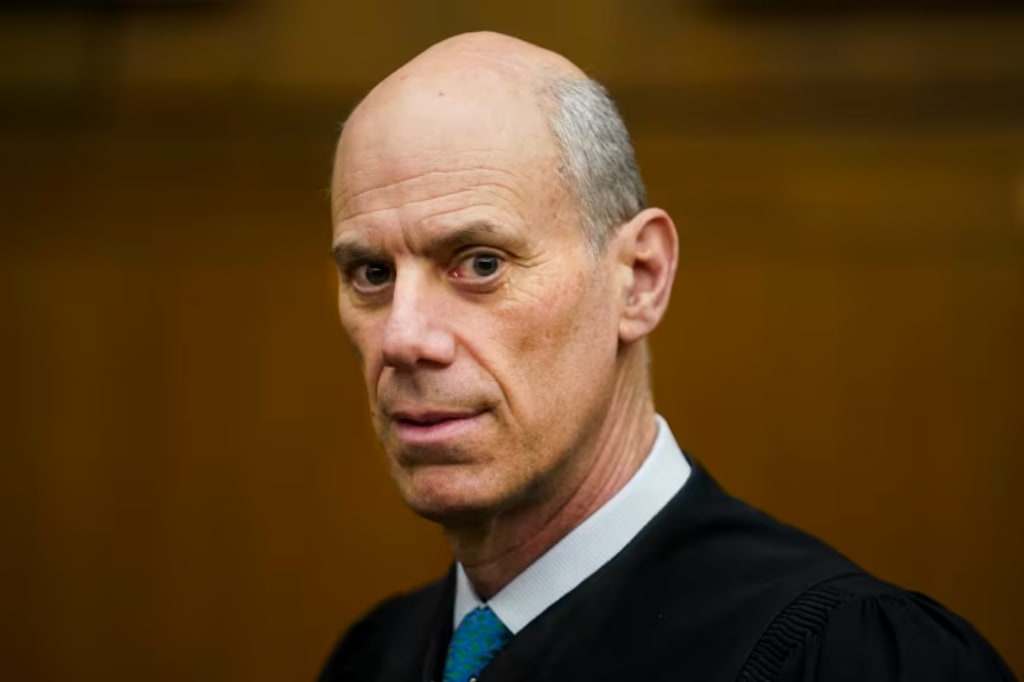
In a decision that is already sparking intense legal and political debate, a U.S. federal appeals court has ordered a lower court judge to halt a criminal contempt investigation into officials from the Trump administration.
At the center of the controversy is whether government officials defied a court order—and whether the judiciary has the power to hold them accountable.
This is not just another legal story.
It is a defining moment in the ongoing tension between the judicial branch and executive power in the United States.
What Happened?
A divided federal appeals court ruled that U.S. District Judge James Boasberg must stop his efforts to investigate whether Trump administration officials violated court orders related to deportation flights.
Previously, Judge Boasberg had found “probable cause” to believe that officials may have committed criminal contempt by continuing deportations despite a directive to pause them.
But now, the appellate court has stepped in—shutting down the investigation entirely.
The Core Issue: Did the Government Defy a Court Order?
The controversy stems from deportation flights carried out under the Alien Enemies Act, a rarely used wartime authority.
Judge Boasberg had ordered:
- a temporary halt to deportations
- planes carrying migrants to turn back
However, the deportations continued.
This raised a critical legal question:
Can the government ignore or reinterpret a judge’s order—and avoid consequences?
Why the Appeals Court Blocked the Investigation
The appeals court majority ruled that Judge Boasberg overstepped his authority.
Their reasoning included:
- The investigation would intrude into executive decision-making, especially in areas involving national security and diplomacy
- The responsibility for the deportation decisions had already been identified within the executive branch
- The judge’s probe risked becoming too broad and uncontrolled
In strong language, the court described the investigation as a:
“clear abuse of discretion”
The Dissent: A Warning About Democracy
Not everyone agreed.
Judge Michelle Childs issued a powerful dissent, warning that the decision could weaken the judiciary’s ability to enforce its authority.
Her argument was simple—but profound:
If courts cannot enforce their orders, what happens to the rule of law?
She emphasized that:
- contempt of court is a serious public offense
- limiting judicial enforcement powers could set a dangerous precedent
This dissent highlights the deeper stakes of the case.
The Bigger Picture: Separation of Powers
At its core, this case is about one of the most important principles in governance:
The separation of powers.
In the U.S. system:
- The executive branch enforces laws
- The judiciary interprets laws
- Each branch checks the other
But when conflicts arise, things get complicated.
A Real-World Analogy
Imagine a referee in a football match.
If the referee blows the whistle, but players ignore it—and no penalties are enforced—what happens?
The game loses structure.
That’s the concern some legal experts have about this ruling.
Why This Case Matters
This decision goes beyond one judge or one administration.
It could shape future interactions between:
- courts
- presidents
- federal agencies
Key Implications
Limits on Judicial Power
Courts may face new barriers when trying to investigate government actions.
Executive Authority Expansion
The ruling could strengthen the executive branch’s ability to act in sensitive areas like national security.
Future Legal Precedents
This case may influence how similar disputes are handled for years to come.
The Immigration Angle
The case also ties into broader debates about immigration policy.
The deportations in question involved individuals transferred to El Salvador under emergency authority.
Critics argue:
- the government acted too aggressively
- legal protections were bypassed
Supporters argue:
- national security concerns justified the actions
- courts should not interfere in urgent executive decisions
What Happens Next?
The legal battle may not be over.
Lawyers representing affected migrants have indicated plans to:
- seek further review by the full appeals court
- continue challenging the deportations
Meanwhile, questions remain about:
- whether officials acted lawfully
- how future conflicts between courts and the executive will be resolved
The Human Side of the Story
Behind the legal arguments are real people.
Migrants who were deported:
- were held in detention abroad
- may now seek legal remedies
- are at the center of ongoing legal challenges
This reminds us that legal decisions are not just theoretical—they affect lives.
Final Thoughts: A Defining Moment for the Rule of Law
This case is not just about immigration.
It’s about accountability, authority, and the balance of power.
The appeals court decision has:
- halted a major judicial inquiry
- raised concerns about oversight
- sparked a national conversation
And the biggest question remains:
In a system built on checks and balances, who ensures that power stays in check?
The answer to that question may shape the future of American democracy.
About the Creator
Omasanjuwa Ogharandukun
I'm a passionate writer & blogger crafting inspiring stories from everyday life. Through vivid words and thoughtful insights, I spark conversations and ignite change—one post at a time.
Enjoyed the story? Support the Creator.
Subscribe for free to receive all their stories in your feed.
Comments
There are no comments for this story
Be the first to respond and start the conversation.