
Traveling for Knowledge: Explore and Learn Worldwide
Traveling for Knowledge: Explore and Learn Worldwide
Traveling for knowledge is a journey that mixes adventure with learning. It takes people beyond the usual classroom and books. This way of traveling opens up new perspectives and deepens understanding of different cultures and histories.
By diving into local traditions and languages, travelers gain a unique view of the world. This experience shapes their worldview in a lasting way. Educational travel is key in today's world, helping both personal and social growth. It builds connections and lasting relationships.
Traveling for Knowledge
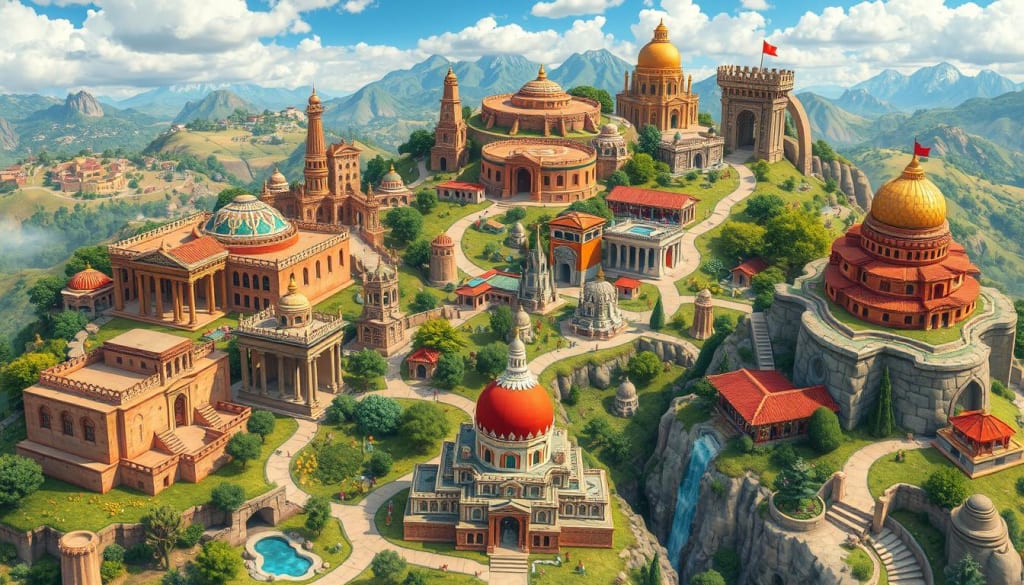
A vibrant landscape featuring diverse cultural landmarks from around the world, including ancient ruins, modern architecture, and natural wonders, all interconnected by winding paths, with a sense of exploration and discovery in the air, showcasing rich textures and colors that evoke a spirit of learning through travel.
Key Takeaways
Educational travel enhances personal development and cultural awareness.
Engaging in service-learning projects strengthens community ties.
Travelers gain greater intellectual development through immersive experiences.
Effective partnerships in educational travel benefit all participants.
Cultural immersion is essential for meaningful learning journeys.
Planning and reflection enhance the educational value of travel.
The Importance of Educational Travel in Today's World
Educational travel is very important in our world today. It helps us understand different cultures and learn new skills. People who travel learn to handle different cultures better, making them more global-minded.
This journey of exploring cultures is key for growing personally and professionally.
Enhancing Global Competence through Travel
Traveling for education teaches us to communicate and solve problems across cultures. By living in new places and talking to locals, we learn things we can't from books. This helps us feel more connected to the world and understand global problems better.
These trips include tours, visits, and hands-on learning. They help us understand our subjects better and see the world's challenges more clearly.
Connecting with Different Cultures
Traveling helps us connect with different cultures. It lets us see history, traditions, and ways of life that are not our own. For example, learning about civil rights in Alabama or visiting museums in New York gives us new insights.
Even though educational trips can be expensive, places like Learning Feet offer affordable options. These trips create unforgettable memories and improve our learning, making them very valuable.
Traveling for Knowledge: A Deeper Understanding of Educational Tourism
Educational tourism is about traveling to learn and gain new skills. It includes workshops, cultural exchanges, and volunteering. These activities help us understand the world better. As more people seek knowledge through travel, we see the benefits of these journeys.
Defining Educational Tourism
Educational tourism is more than just seeing sights. It's about diving deep into culture, history, and local life. With a 20% increase in educational travel programs, people want to learn and grow. This type of travel helps us see the world from different angles and connect with others.
Key Benefits of Engaging in Educational Travel
Educational travel offers many benefits beyond school. Here are some main advantages:
Personal Growth: About 80% of travelers say facing challenges abroad makes them more adaptable and independent.
Networking Opportunities: Educational tourism helps people meet others, with 65% saying it boosts empathy and compassion.
Cultural Immersion: A 25% increase in immersive experiences means travelers learn more about local traditions.
Hands-on Learning: Many seek out workshops and activities, making their learning more engaging.
Community Engagement: With a 30% rise in service-learning programs, travelers can help while learning.
Educational tourism helps us build relationships and expand our views. It also supports local communities. This type of travel shows the value of being responsible and caring for our planet.
Types of Learning Journeys
Learning journeys offer a variety of experiences to help you grow and learn. They can make your education better, especially through cultural trips, study abroad, and exploring new ideas. Each journey has its own benefits, fitting different learning styles and goals.
Cultural Immersion Trips
Cultural trips let you dive into local customs and ways of life. You get to live with families and work on community projects. This hands-on learning builds skills and insights you might not get in school.
Study Abroad Experiences
Going abroad for study opens up new worlds. Students at foreign schools learn about different education systems. This broadens their cultural understanding and helps them grow personally and academically.
Intellectual Exploration Opportunities
Intellectual explorations include workshops, lectures, and special courses for lifelong learners. These focus on sharing knowledge and teamwork. They help you think critically and tackle complex ideas in today's world.
Top Destinations for Educational Adventures
Some countries are perfect for educational adventures. They offer rich history and immersive experiences. These places are great for students and lifelong learners.
Countries with Rich Educational Opportunities
Italy, France, and Japan are top choices. They have historical landmarks, artistic treasures, and diverse cultures. These environments help travelers learn about art, language, and food.
For example, The International Kitchen offers culinary tours in 16 countries. Art lovers can join workshops in Europe, like ceramics in Portugal or painting in the Loire Valley.
Popular Programs and Expeditions
Many programs offer unique learning experiences. National Geographic Expeditions covers history and science worldwide. Semesters at Sea is a floating campus for students of all majors.
Workshops by Arizona Highways magazine and Smithsonian Journeys focus on photography and history. These programs cater to various interests.
Program Description Location
National Geographic Expeditions Experiences focused on history, culture, and exploration. Worldwide
Semesters at Sea Floating campus experience for diverse educational backgrounds. Multiple continents
Art is Travel International Fine art workshops including ceramics and painting. Europe
Arizona Highways Magazine Photography workshops with scholarships available. U.S. and International
Service learning and expeditions can greatly enhance your knowledge. These journeys promote personal growth and cultural understanding. They are valuable for people of all ages.
How to Plan Your Educational Travel
Planning your educational travel is key. You need to pick a program that fits your interests and goals. Also, budgeting is important to keep costs down.
Choosing the Right Program for You
Choosing a program is a big step. Look for ones that match your interests and offer unique learning experiences. These can include cultural trips, workshops, or study abroad programs.
Working with local experts can make your learning more meaningful. They bring a deeper understanding of the place you're visiting.
Budgeting for Your Learning Journey
Effective budgeting can ease financial worries. Begin by listing all costs, like travel, lodging, food, and activities. Look for scholarships and grants to cut expenses.
Having a detailed plan helps track spending and keeps your trip organized. It ensures a smooth journey.
Preparing for Cultural Differences
It's important to understand cultural differences before you go. Research local customs, language, and norms. This shows respect and makes your trip more rewarding.
Being open-minded and flexible will enrich your experience. It allows you to fully engage with new cultures.
The Role of Solo Travelers in Educational Exploration
Solo travelers are key in educational tourism. They are especially popular among young adults. Traveling alone lets them learn in a unique way. They can explore at their own pace and have spontaneous adventures.
Benefits of Traveling Alone for Knowledge
Traveling solo boosts self-discovery and independence. These are important for personal growth. Solo travelers enjoy many benefits, such as:
Creating their own travel plans
Making new friends and having deep conversations
Experiencing real cultural encounters
Building confidence by exploring new places
Enjoying the moment and finding unexpected experiences
Tips for Solo Educational Travelers
For solo travelers, following some tips can make their journey better:
Research destinations and local customs for safety.
Choose trusted organizations for educational experiences.
Use online platforms to meet others with similar interests.
Be open to surprises that can make your trip special.
Keep a journal to reflect on your growth and lessons.
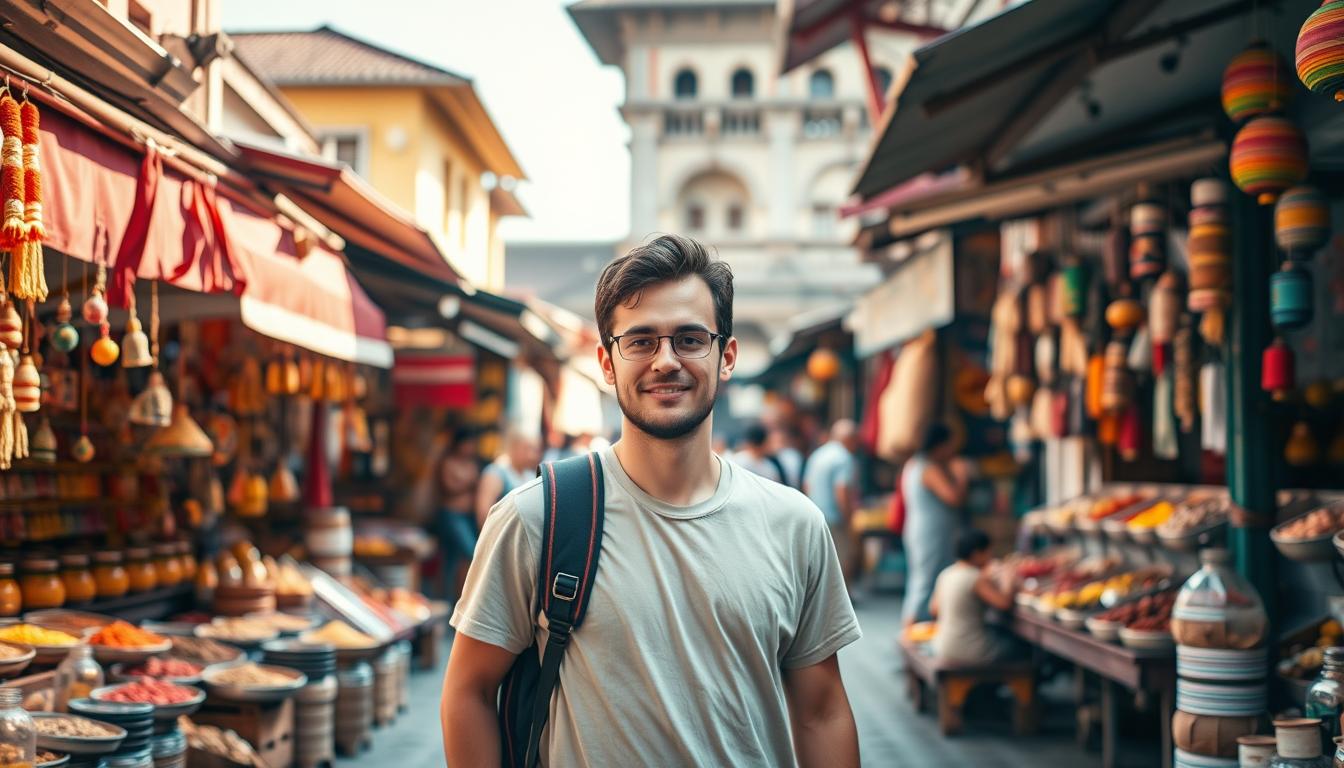
solo educational travelers exploring new cultures
A solo traveler standing on a vibrant street market, surrounded by colorful stalls filled with local crafts and spices, the atmosphere alive with the energy of cultural exchange, traditional architecture in the background, soft sunlight illuminating the scene, evoking a sense of wonder and discovery.
Solo travelers are changing how we learn about ourselves and the world. Each trip is a step towards self-discovery and growth.
Engaging Family and Grandparents in Learning Trips
Family learning trips are a great way to bring all generations together. They offer a chance to explore new places and learn together. Grandparents can share their wisdom, and younger family members can learn new things.
Intergenerational Travel Experiences
These trips include activities for everyone. You might visit historical sites, take part in cultural events, or join local workshops. It's a chance for all to learn and enjoy together.
Creating Lasting Family Memories through Education
Family learning trips help create memories that last forever. They spark conversations about culture, history, and personal experiences. It strengthens family bonds and shows respect and appreciation for each other.
Benefits of Intergenerational Travel Activities for Different Ages
Strengthens Family Bonds Historical Site Visits
Encourages Lifelong Learning Cultural Workshops
Fosters Communication Local Cuisine Experiences
Enhances Understanding of Heritage Nature Exploration Activities
Funding Your Educational Travel Experience
Funding educational travel can open doors to unique learning experiences for students. There are many ways to get financial help for educational journeys. Students should look into scholarships and grants for global education to ease financial burdens.
Many educational institutions and organizations offer scholarships for education. These scholarships cater to different needs. They help students fund their educational travel.
Scholarships and Grants for Global Education
Institutions worldwide value international study experiences. Many scholarships aim to enhance global understanding among students. These opportunities fund educational travel for eligible candidates.
Students should research options from their schools, local organizations, and government programs. These programs promote international education.
Cost-Effective Travel Strategies
Implementing cost-effective travel strategies is key for students on a budget. Planning ahead can save a lot on airfare and accommodations. Students might consider:
Booking flights in advance to secure lower rates.
Opting for budget-friendly lodging such as hostels or homestays.
Utilizing public transportation instead of taxis or car rentals.
Eating at local markets to reduce food costs.
By using these strategies, students can make their educational travel affordable. This way, they can still have great learning experiences around the world.
funding educational travel
A vibrant collage of diverse landscapes representing various cultures and educational experiences, featuring iconic landmarks like the Eiffel Tower, Great Wall of China, and ancient ruins, blended with symbols of finance such as coins and a globe; all elements artistically intertwined to reflect the theme of funding educational travel.
Conclusion
Traveling for knowledge is now key in modern education. It opens up new ways to learn beyond school walls. By traveling, people can explore different cultures and historical sites, gaining a deeper understanding of the world.
These trips not only make learning richer but also help people grow personally. Travelers learn new skills and see things from different viewpoints.
Learning through travel is very valuable. It helps people apply what they've learned in real life. It also brings nations closer together, helping to create a more peaceful world.
Schools play a big role in making these trips happen. They organize tours to important places like World Heritage sites. This helps students become well-rounded and ready for the global world.
In the end, traveling for knowledge is more than just seeing new places. It's about finding new interests, making connections, and valuing cultural differences. As educational tourism grows, it's a key part of lifelong learning, making us more informed and engaged global citizens.
FAQ
What is the concept of traveling for knowledge?
Traveling for knowledge means learning as you explore. It combines adventure with education. This way, you gain a deeper understanding of different cultures and histories.
How does educational travel enhance global competence?
Educational travel boosts global competence by offering real-world experiences. It teaches you to navigate various cultural settings. You learn to communicate and solve problems across cultures.
Ready to explore the world? Don’t miss out on exclusive deals and unforgettable experiences! Register with Trip.cğim through my special link: https://trip.tp.st/7O9Eo8CJ and unlock amazing travel offers. Start your journey today!"
What types of educational travel experiences are available?
There are many educational travel options. You can choose from workshops, guided tours, cultural immersion trips, and study abroad programs. Each offers a unique chance to learn and grow.
How do cultural immersion trips differ from study abroad experiences?
Cultural immersion trips dive deep into local customs and lifestyles. They often include homestays and community projects. Study abroad experiences, on the other hand, focus on attending foreign schools. They aim to improve your academic skills while broadening your cultural awareness.
What should I consider when planning an educational trip?
Good planning starts with choosing a trip that matches your interests and goals. It's also important to budget wisely and prepare for cultural differences. Research and being adaptable are key.
Can solo travelers benefit from educational travel?
Yes, solo travelers enjoy more freedom and flexibility. This allows for a deeper dive into experiences at their own pace. It's a great way to discover yourself and grow independently.
How can families engage in educational travel together?
Families can explore together through intergenerational travel. This lets grandparents share their wisdom while younger ones learn new things. It creates memories that last a lifetime.
Ready to explore the world? Don’t miss out on exclusive deals and unforgettable experiences! Register with Trip.cğim through my special link: https://trip.tp.st/7O9Eo8CJ and unlock amazing travel offers. Start your journey today!"
What are some effective ways to fund educational travel?
Funding can come from scholarships and grants for educational travel. You can also save money by booking early or choosing affordable accommodations. These strategies help reduce costs.
About the Creator
HASSINE MOHAMED
Bienvenue sur ExploreBlink ! 🌍✨ Chez ExploreBlink, nous vous proposons les meilleures expériences de voyage et de vacances du monde entier. Que vous rêviez d'explorer des villes animées,
Enjoyed the story? Support the Creator.
Subscribe for free to receive all their stories in your feed.
Comments
There are no comments for this story
Be the first to respond and start the conversation.