
The Top 5 Common Physical Security Vulnerabilities And How To Address Them
Stay safe at home and at work

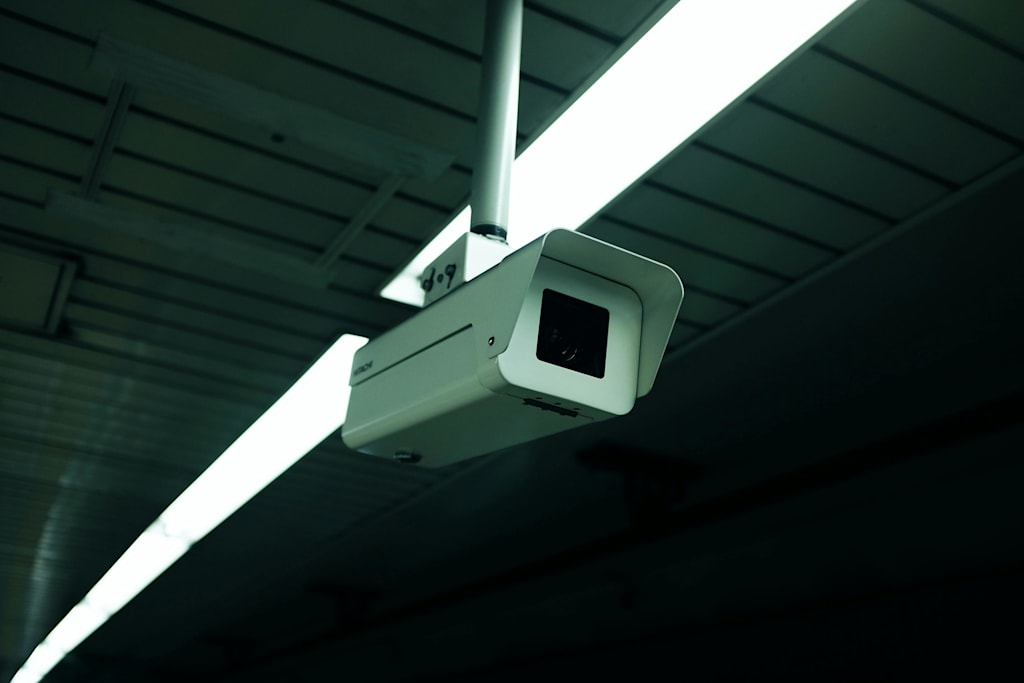
From offices and retail spaces to warehouses and industrial facilities, vulnerabilities in physical security can expose businesses to theft, vandalism, and even safety hazards. Understanding the most common weaknesses and implementing effective measures is essential for protecting both property and personnel.
In this article, we explore the top five physical security vulnerabilities and how organisations can address them.
Unsecured Entrances And Exits
One of the most basic yet frequently overlooked vulnerabilities is unsecured entrances and exits. Doors that are left unlocked, poorly monitored, or easily bypassed provide easy access for intruders. Similarly, emergency exits without proper alarm systems or access controls can be exploited.
Addressing this issue requires a layered approach. High-quality locks, reinforced doors, and electronic access control systems are essential. Keycard or biometric entry can restrict access to authorised personnel only, while alarm systems on emergency exits ensure that any unauthorised use triggers an alert. Regular checks and maintenance are crucial to ensure these measures remain effective over time.
Poor Lighting Around The Premises
Lighting plays a significant role in deterring crime and enhancing visibility for security personnel. Poorly lit areas around entrances, parking lots, or building perimeters provide cover for criminal activity and increase the likelihood of accidents.
To mitigate this vulnerability, businesses should invest in comprehensive exterior lighting strategies. Motion-sensor lights can illuminate dark areas when movement is detected, conserving energy while enhancing security. Additionally, routine inspections should ensure that all lights are functional and positioned to cover critical access points and blind spots.
Inadequate Surveillance Systems
Many organisations underestimate the importance of surveillance or rely on outdated systems. Insufficient camera coverage, low-resolution footage, or cameras positioned in blind spots can limit the effectiveness of monitoring efforts.
Modern security solutions offer high-definition cameras with night vision, wide-angle lenses, and remote monitoring capabilities. It is vital to strategically place cameras to cover all entrances, high-value areas, and vulnerable points, while ensuring the footage is stored securely and accessible for review. Integrating surveillance with access control and alarm systems creates a more robust, coordinated security framework.
Lack Of Employee Awareness And Training
Even the most advanced security systems can be undermined by human error. Employees who are unaware of security protocols, neglect to follow procedures, or fail to report suspicious activity can inadvertently compromise the safety of the premises.
Organisations should prioritise staff training as a fundamental component of physical security. Regular workshops, refresher courses, and clear communication of security policies ensure that personnel understand their responsibilities. Encouraging a culture of vigilance, where employees feel empowered to report potential issues, can significantly reduce risks.
Neglected Perimeter Security
The perimeter of a property serves as the first line of defence against unauthorised access. Weak fences, overgrown vegetation, or unmonitored gates can make it easier for intruders to bypass security measures before reaching critical areas.
Addressing perimeter vulnerabilities requires a combination of physical barriers and monitoring systems. Fences should be sturdy, of sufficient height, and regularly inspected for damage. Gates should have controlled access, and landscaping should be maintained to eliminate potential hiding spots. In addition, security patrols or motion-detection sensors can add an extra layer of protection to the perimeter.
Proactive Measures For Enhanced Security
Physical security vulnerabilities are not static; they evolve as new threats emerge and facilities change. Businesses that proactively identify and address common weaknesses can significantly reduce the risk of theft, vandalism, and safety incidents.
By securing entrances and exits, improving lighting, upgrading surveillance systems, training employees, and reinforcing perimeter security, organisations create a comprehensive security strategy. Each layer complements the others, forming a robust defence that protects both people and assets.
Ultimately, investing in physical security is not just about preventing loss—it is about creating a safe and secure environment where employees, customers, and visitors can feel confident and protected. Businesses that take these vulnerabilities seriously and act decisively are better positioned to safeguard their operations and reputation in an increasingly complex security landscape.
About the Creator
Alexander Belsey
B2B magazine editor and digital marketer. I write about business, politics, economics, and wellbeing - sometimes all at once.
Enjoyed the story? Support the Creator.
Subscribe for free to receive all their stories in your feed.
Comments