
The Lingering Shadows: Understanding the Ongoing Trauma of Genocide
Psychological impact of Genocide

Introduction to the Lasting Psychological Impact of Genocide
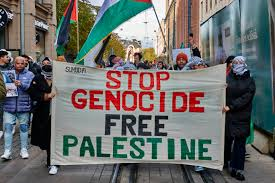
Genocide survivors often endure profound psychological consequences, including post-traumatic stress disorder (PTSD), depression, and anxiety, stemming from the traumatic events they experienced. These long-term effects extend beyond individual mental health, impacting not only the survivors themselves but also their families and communities. Intergenerational trauma, the transmission of trauma across generations, underscores the necessity for comprehensive and holistic support systems to address the enduring repercussions of genocide.
Moreover, the psychological impact of genocide goes beyond the individual survivor, affecting their families and communities in profound ways. Witnessing the suffering and loss experienced by their loved ones can exacerbate survivors' feelings of guilt, helplessness, and survivor's guilt, further complicating their mental health struggles. Additionally, the pervasive nature of trauma within families can create a ripple effect, influencing the well-being of subsequent generations who may inherit the psychological scars of their ancestors. Understanding these intricate dynamics is crucial in developing effective interventions and support systems that can address the long-term psychological impact of genocide on survivors and their descendants.
Psychological Impact on Survivors
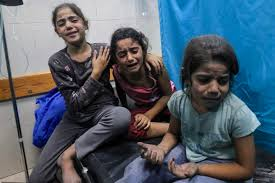
Moreover, the generational impact of genocide on survivors and their descendants cannot be overlooked. Research has shown that the descendants of genocide survivors often carry a heavier burden of mental health issues than those whose ancestors were not directly affected by such atrocities. This intergenerational transmission of trauma underscores the complexities of healing and recovery, as the trauma experienced by survivors leaves a lasting imprint on their families and communities. Understanding these long-term effects is crucial in providing adequate support and interventions to address the multifaceted mental health needs of survivors and their descendants. By acknowledging and exploring the psychological impact on survivors, we can work towards creating more empathetic and effective strategies to promote healing and resilience in the face of such profound trauma.
Coping Mechanisms and Healing Strategies for Genocide Survivors
Intergenerational Trauma and Its Effects
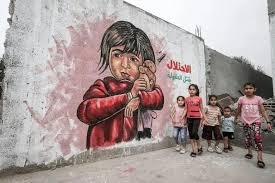
Support Systems and Resources for Genocide Survivors
Orphans in post-genocide Rwanda face multifaceted challenges that significantly impact their mental well-being. For instance, many of these children lack essential social support systems, which are crucial for buffering the effects of trauma and fostering resilience. The absence of a strong social network can exacerbate feelings of isolation and hopelessness, compounding the psychological distress experienced by these vulnerable individuals. Moreover, educational barriers further hinder their ability to cope with the aftermath of genocide, as access to quality education plays a pivotal role in shaping future opportunities and mental health outcomes.
In response to these pressing needs, organizations like Solace Ministries in Rwanda have emerged as beacons of hope and healing for genocide survivors. Through a range of tailored support services such as individual and group counseling, community-based initiatives, and educational programs, these organizations offer holistic care that addresses the diverse needs of survivors. By providing a safe space for survivors to process their trauma, share their experiences, and receive emotional support, these organizations play a critical role in facilitating the healing journey of individuals impacted by genocide. Additionally, educational programs offered by such organizations not only empower survivors with knowledge and skills but also serve as a form of psychological empowerment, restoring a sense of agency and control over their lives. Ultimately, by fostering a supportive environment and equipping survivors with the necessary tools for recovery, these initiatives contribute significantly to the resilience and well-being of those affected by the long-lasting consequences of genocide.
Research Challenges in Studying the Long-Term Impact of Genocide
Studying the long-term impact of genocide on survivors presents researchers with various challenges that can influence the quality and reliability of research outcomes. One significant challenge is the presence of methodological differences, which can arise due to the diverse approaches used in different studies. For instance, variations in survey instruments, sampling techniques, or data analysis methods may hinder the comparability of findings across studies, impacting the overall understanding of the psychological effects of genocide.
Survivor bias is another critical issue that researchers face when investigating the long-term impact of genocide. Survivor bias occurs when individuals who have survived the genocide are more likely to participate in research studies compared to those who did not survive or are unable to engage due to severe mental health issues. This bias can skew the results, leading to an incomplete or inaccurate portrayal of the mental health challenges faced by survivors and their descendants. Addressing survivor bias is crucial for obtaining a comprehensive understanding of the lasting effects of genocide on individuals and families.
Moreover, the presence of confounding factors complicates the study of the long-term effects of genocide. These factors, such as socioeconomic status, access to mental health services, or cultural beliefs, can influence mental health outcomes in complex ways, making it challenging to isolate the specific impact of genocide trauma. By utilizing tools like the GESUQ checklist, researchers can navigate these challenges more effectively, ensuring that studies are methodologically sound, transparent, and capable of providing valuable insights into the psychological consequences of genocide for survivors and their descendants. Through rigorous research practices and consistent adherence to reporting guidelines, the field can advance its understanding of the profound and enduring impacts of mass atrocities on individuals and communities.
About the Creator
David Snam
Greetings, I'm David Snam, a passionate storyteller weaving narratives that resonate with the heart and mind. My tales blend the surreal with the everyday, inviting you to explore worlds where the ordinary transforms into the extraordinary.
Enjoyed the story? Support the Creator.
Subscribe for free to receive all their stories in your feed.
Comments
There are no comments for this story
Be the first to respond and start the conversation.