
The Ground Doesn't Lie
Forty years on site taught me one thing: the programme lies. The ground doesn't
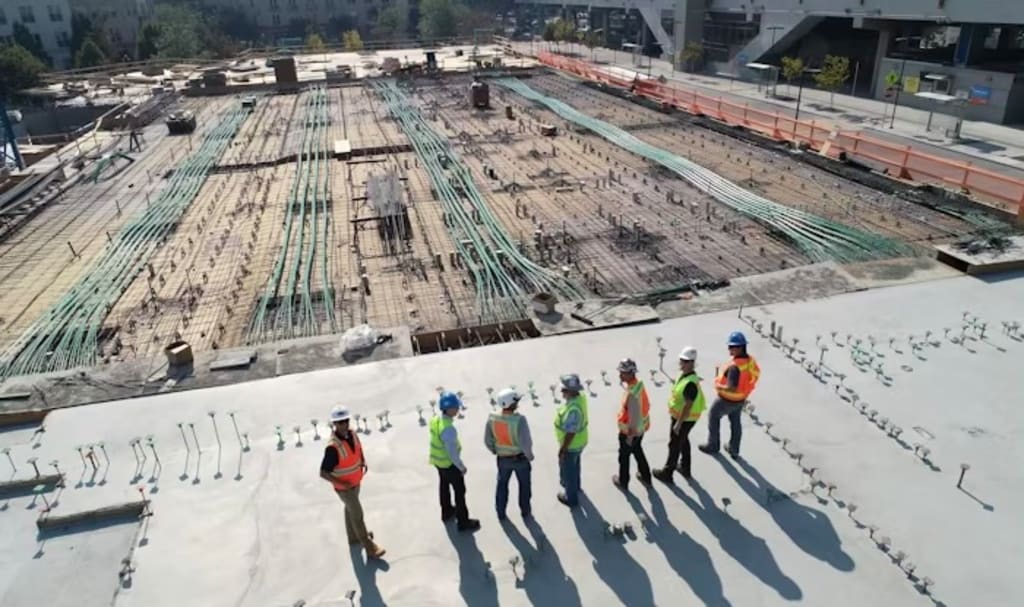
I've been on construction sites for forty years. Ten of them as a carpenter and joiner, getting sawdust in my lungs and learning which wood splits and which holds. The last thirty as a construction site manager, responsible for the whole picture — the programme, the people, the money, and the mess. In all that time, the single most important thing I've learned isn't in any management handbook. It's this: the ground doesn't lie.
I see young project managers come onto site with their laptops and iPads, their Gantt charts in front of them. I understand the confidence those things give them. The programme says the first fix is forty per cent complete. The report says materials were delivered Tuesday. The dashboard shows green across the board. So they sit in the site office, they take the calls, they update the spreadsheet. They manage the project without ever really seeing it.
And then something goes wrong — because something always goes wrong — and they're blindsided. They didn't know the block work on the third floor had voids in the mortar joints because nobody told them and they never looked. They didn't know the roofers were a man down and working two hours slower because they never asked. The programme said one thing. The ground said another. They trusted the paper.
Walking the site isn't a symbolic gesture. It's information-gathering, and it's more reliable than any report. When you walk it properly — not a stroll, not a wave to the lads, but a proper look — you see things no report captures. You see the material that's been stacked wrong and will warp before it's fixed. You see the temporary works that don't look quite right. You see the faces. A gang who've gone quiet on a job they were cracking on with last week — that's a problem brewing. You won't read that in the weekly update.
There's also what you hear. Stop and talk to the people doing the actual work. Not to check up on them, but to listen. The ground worker who tells you the excavation keeps taking in water. The plasterer who mentions the boards aren't sitting flat. These aren't complaints — they're intelligence. A good site manager treats the workforce as the most valuable source of information on site, because they are. They see everything. The question is whether anyone bothers to ask.
I've watched programmes get updated week after week, showing progress that wasn't really happening. Dates shuffled, float consumed, logic links stretched. On paper, the project looked recoverable right up to the point where it clearly wasn't. If the manager had walked the job, they'd have seen the truth three months earlier — seen the follow-on trades stacking up, the sequence breaking down, the signs that the foundation of the programme had already cracked.
There's a trust issue too, and it runs both ways. The workforce respects a manager who shows up. Not one who appears at a crisis, but one who's a regular presence — who knows the names, who understands the sequence of the work, who can look at a wall and tell you it's not plumb without needing to be told. That respect is practical. When things get tight, and they always get tight, the people who matter will work with you. They'll flag the problem early instead of hoping you won't notice.
I'm not dismissing technology. A good programme is essential. But it's a model of reality, not reality itself. The model has to be tested against the ground, constantly, or it drifts. Every experienced site manager I've ever respected knew this instinctively. They were never far from their boots.
After forty years, the ground has taught me something that nothing else could: that the truth of a job lives in the physical world, not in the version of it we build on a screen. It lives in the weight of a material, the smell of concrete that's cured too fast, the look on a man's face at half seven on a Monday morning. You have to be there to see it. You have to earn what the ground is willing to show you.
The ground never lies. But it only talks to the people who turn up. When a project was running at full tilt, I'd be out walking, talking, and watching at least three or four times a day. The lads think you're a pain in the arse because they can't hide anything — but they respect you for it. And that's what the job is built on.
About the Creator
Bertyl Kently
Personal essays about family, boundaries, and the moments that shape us
Enjoyed the story? Support the Creator.
Subscribe for free to receive all their stories in your feed.
Comments
There are no comments for this story
Be the first to respond and start the conversation.