
The Evolution of Streaming Technology and Its Impact on the Media Landscape
The Impact of Streaming Technology on the Media Industry


Streaming technology has significantly transformed the way media is consumed. In the past, people had to follow fixed schedules to watch television or listen to the radio. However, with the advancement of high-speed internet and 5G technology, users can now enjoy media content anytime and anywhere on various devices. The development of artificial intelligence-based recommendation systems has further enhanced convenience by offering personalized content tailored to individual preferences. As a result, media consumption has shifted towards a more user-centric and flexible model.
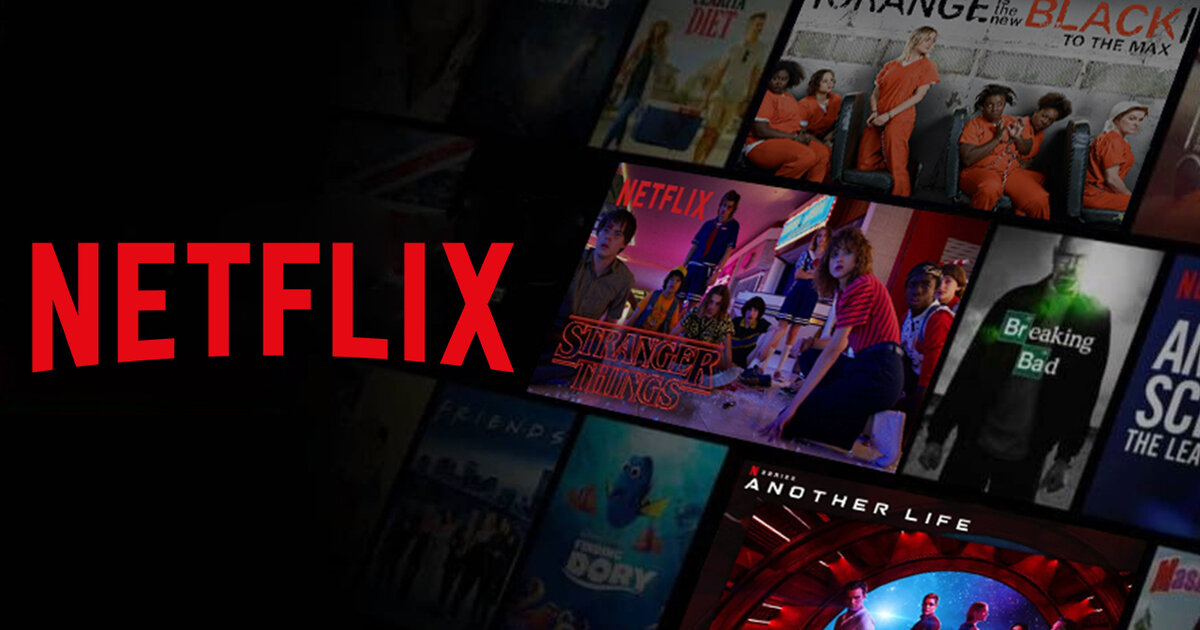
The media industry, once dominated by traditional broadcasting and cable TV, is now rapidly transitioning to OTT (Over-The-Top) and VOD (Video On Demand) services. Streaming platforms such as Netflix, Disney+, and YouTube provide extensive content libraries, allowing users to watch their preferred shows and movies at their convenience. This shift has posed a significant challenge for traditional media companies, prompting them to develop their own OTT platforms or adopt streaming-focused content strategies to stay competitive in the evolving market.
Streaming Media platforms are playing an increasingly vital role in the media industry, particularly in live streaming services such as sports broadcasting, live event coverage, and live casino streaming. Sports leagues and broadcasters are now offering their own streaming services, enabling global audiences to access live matches without relying solely on traditional TV networks. Platforms like YouTube and Twitch have also facilitated the rise of individual content creators and real-time event streaming. Additionally, live casino streaming has gained popularity by providing immersive and interactive experiences, further showcasing the expanding capabilities of streaming technology.
How Streaming Technology is Transforming the Media Landscape
(1) Changes in Content Consumption Patterns
The advancement of streaming technology has significantly altered how media content is consumed. With the expansion of real-time streaming and on-demand (VOD) services, users can now watch their preferred content whenever they choose, breaking away from the traditional TV scheduling model. This shift enables personalized content consumption, allowing viewers to enjoy media at their convenience. Additionally, AI and big data-driven recommendation systems have enhanced user experiences by providing tailored content suggestions based on individual preferences. The integration of 5G and cloud technology has further improved streaming capabilities, enabling seamless, low-latency streaming with high-definition visuals. These technological advancements have greatly increased user convenience and reshaped the overall media industry.
(2) A New Competitive Landscape in the Media Industry
Traditional broadcasters and cable TV providers are facing new competitive challenges in the rapidly evolving media landscape. Global streaming platforms such as Netflix, Disney+, and YouTube continue to expand their market share, diminishing the dominance of conventional media players. To adapt to this shift, traditional media companies are launching their own streaming services and investing in unique content production to maintain relevance. Exclusive and original content has become a key factor in competition, as platforms with unique offerings gain a competitive edge. Leading streaming companies are securing exclusive licensing agreements and increasing in-house content production to differentiate themselves in the market. As a result, the media industry’s competitive structure is shifting from broadcast-based to streaming-driven, a trend that is expected to continue growing.
(3) Technological Advancements Enhancing User Experience
Streaming technology has not only transformed content consumption but has also significantly improved the overall user experience. The availability of 4K and 8K ultra-high-definition streaming allows viewers to enjoy more vivid and immersive visuals. Additionally, improvements in low-latency streaming technology have enhanced real-time content experiences, benefiting live sports, esports, and live casino broadcasts by providing seamless, delay-free streaming. Furthermore, the integration of interactive content with VR and AR technology is expanding the possibilities of two-way streaming. As audiences move beyond passive viewing to actively engaging with content, streaming technology continues to evolve in increasingly innovative directions.
Future Prospects of Streaming Technology and the Media Industry
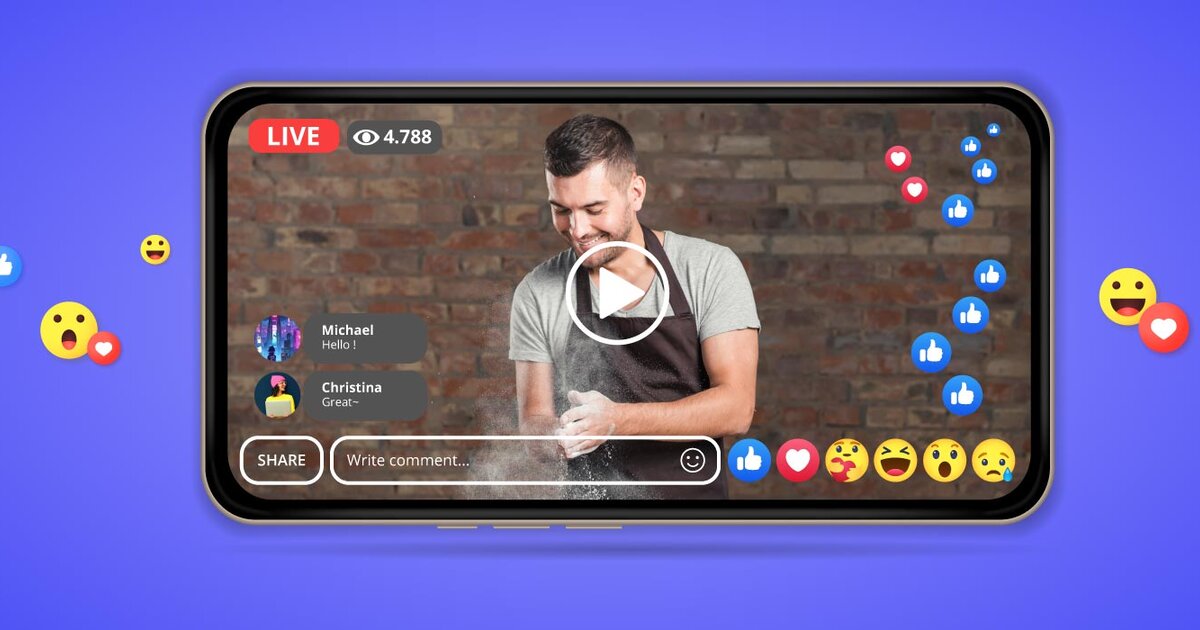
Streaming technology is expected to evolve through its integration with AI and the metaverse, creating a new media landscape. AI-powered real-time translation and voice recognition technologies are advancing, allowing global audiences to enjoy diverse content without language barriers. Furthermore, streaming services within the metaverse will enhance user engagement by offering immersive experiences beyond traditional video viewing. Virtual concerts, live sports broadcasts, and interactive shows will become more prevalent, transforming how audiences consume media.
As big data and AI technologies continue to advance, personalized content recommendation systems are becoming more sophisticated. Streaming platforms now analyze individual viewing patterns and preferences to provide tailored content, making personalization a crucial competitive factor. Additionally, cloud-based streaming technology enables users to access their favorite content anytime and anywhere without limitations on storage or devices. This trend will further strengthen the shift towards a user-centric media environment, where seamless access to content becomes the standard.
With continuous advancements in streaming technology, new media platforms are expected to emerge, reshaping the industry. The growing popularity of sports and casino game streaming has significantly contributed to the rapid expansion of the real-time betting market. Users can now watch live sports and casino games via online streaming while placing instant bets. As a result, the importance of verified platforms such as onca888.com has increased, ensuring a secure and reliable betting environment. Moving forward, improvements in streaming technology will further refine betting systems and enhance real-time interaction features, offering an even more engaging experience for users.
About the Creator
Gloria Lauren
At Gloria Lauren vocal, I would like to share useful information based on various issues and topics. Please communicate a lot.
Enjoyed the story? Support the Creator.
Subscribe for free to receive all their stories in your feed.
Comments