humanity
The real lives of businessmen, professionals, the everyday man, stay at home parent, healthy lifestyle influencers, and general feel good human stories.
Top Islamic Foundations for Impactful Donations
Donating to reputable Islamic foundations is a powerful way to fulfill religious obligations like zakat and sadaqah while making a tangible difference in the lives of those in need. Below is an extended guide to four highly respected Islamic foundations, each with a proven track record of delivering humanitarian aid, fostering education, and promoting sustainable community development. These organizations operate with transparency, accountability, and a commitment to Islamic values, ensuring your contributions create meaningful impact locally and globally.
By Samantha Naikabout a year ago in Journal
“Fall in your mind, and you fall everywhere.”
That’s not just a poetic line — it’s a diagnosis. In a world that listens with its eyes before it listens to your words, how you carry yourself tells the entire story of who you are — or at least, who you believe you are. Every step, breath, glance, and stillness is a signal. A broadcast.
By Randolphe Tanoguemabout a year ago in Journal
The Emergence of Itsekiri Youths
In the last decade, something remarkable has been brewing in the Niger Delta, far from the skyscrapers of Lagos and the political echo chambers of Abuja. The Itsekiri youth—once dismissed as passive spectators in national discourse—are charting a new path. What began as online conversations, memes, hashtags, and debates has now transformed into a full-scale movement for community development.
By Omasanjuwa Ogharandukunabout a year ago in Journal
Reflections by the Shore
Journal Entry – August 24, 2025 Today was one of those rare days where the world feels at once expansive and intimate, where every moment seems both ordinary and extraordinary. I found myself wandering beneath a sky so vast and soft it almost seemed endless. The kind of sky that invites you to breathe a little deeper, to feel the space between the clouds and the horizon stretch inside you. There was a gentle wind, almost shy, brushing past my cheeks like someone whispering a secret just for me. It carried with it a quiet rhythm, like the tide itself had been taking careful notes on the day and wanted me to notice.
By Paige Madisonabout a year ago in Journal
The Difference Between Saving in a Bank and Keeping Cash at Home
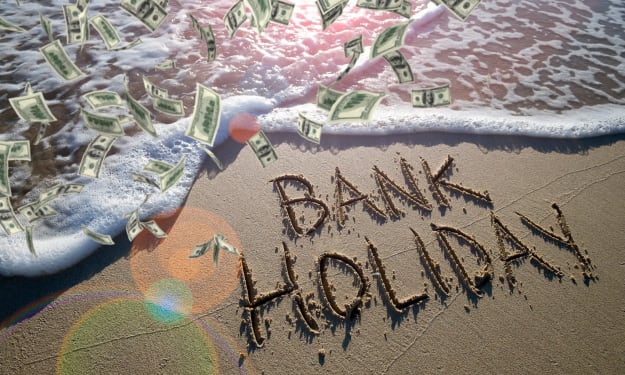
he Difference Between Saving in a Bank and Keeping Cash at Home Ali was seventeen when his uncle handed him an envelope with two hundred dollars inside. His uncle said, “This is yours. Do not waste it.” Ali felt proud. For the first time, he had money that belonged only to him. He faced a choice. Should he put the money in a bank, or should he keep it in his desk drawer? At first, the desk felt easier. He could see the money whenever he wanted. He could touch it. But he also felt uneasy. What if someone opened the drawer? What if he lost it? That small moment led Ali to learn the difference between saving in a bank and keeping cash at home. His story shows why the choice matters. Keeping Cash at Home Ali’s friend Karim always kept his money in a shoebox under his bed. He said it was safer because he did not trust banks. Karim explained that his parents once had problems with fees and lost money to charges they did not understand. For him, the shoebox was simple. At first, Ali thought Karim’s method had benefits: No paperwork. Money always within reach. No waiting in line or learning about accounts. But over time, Ali noticed the problems too. Karim’s younger brother once borrowed twenty dollars from the box without asking. Another time, their house lost power for three days during a storm, and Karim worried someone might break in when it was dark. Most of all, Ali realized that Karim’s money never grew. It stayed the same amount every month, unless he added more. Keeping cash at home protects you from bank fees, but it also keeps your money frozen. It does not earn interest. It can be stolen, lost in a fire, or even forgotten. Saving in a Bank Ali decided to open a savings account with his uncle’s help. At the bank, a worker explained how the account functioned. Ali’s money would stay safe. The bank recorded every deposit. The government insured deposits up to a limit, which meant that even if the bank failed, his money would still be protected. Ali noticed several advantages: His money earned interest. Even if the rate was small, it was more than zero. The bank gave him a record of his balance. He always knew how much he had. He could not spend it impulsively because it was not lying in his drawer. He built a financial history. Later, this would help him if he wanted a loan. The downsides were real as well. Sometimes banks charged fees if the balance dropped too low. Withdrawals were not instant if he needed cash late at night. But the benefits outweighed the problems. The Real Difference The difference between saving in a bank and keeping cash at home is not only about safety. It is about growth and discipline. Cash at home gives you access but no growth. It makes you feel in control, but it also tempts you to spend quickly. In Ali’s case, when he kept twenty dollars in his drawer, he often used it for snacks or games. He saw it as “extra.” Money in the bank feels less like pocket change and more like a step toward a goal. Ali saved for a laptop. Each time he deposited part of his paycheck, the balance grew. Seeing that number climb gave him motivation. After six months, he bought the laptop with money that stayed safe until he needed it. Why This Matters In many cultures, people still keep savings at home. They trust what they see. But the risks are high. Fires, floods, or theft erase everything instantly. A study by the Federal Reserve showed that in the United States, households with no bank account spend more on services like check-cashing or money orders. This reduces the value of their money over time. Banks, even with their flaws, provide a secure system. They allow your money to work for you. Even small interest, combined with habits of saving, leads to long-term growth. Ali’s Lesson One year later, Ali had over one thousand dollars in his bank account. He also still kept some cash at home, about fifty dollars, for emergencies. That balance felt right. The cash helped in quick situations, but the bank savings gave him peace of mind. Ali told Karim, “Keeping all your money in a shoebox is like planting seeds on a stone. They stay there, but they never grow. A bank is like putting the seeds in soil. Even if they grow slowly, at least they grow.” Karim thought about it. A few weeks later, he asked Ali to help him open his own account. Final Thought The difference between saving in a bank and keeping cash at home is about risk and reward. Cash at home gives access, but no protection or growth. A bank account adds structure, safety, and the chance to build a future. Ali’s choice showed that saving is not only about storing money. It is about using money in a way that protects it and prepares you for what comes next.
By Straylightabout a year ago in Journal
Why Italian Nights Are Still the Star of Resort Theme Dinners
Theme Nights: More Than Dinner, a Journey In today’s all-inclusive resorts, dining is no longer just about food. It has become an experience, often the highlight of a guest’s stay. Theme nights are a key element of this: evenings dedicated to Mexican fiestas, Asian street food, seafood festivals, or local traditions that celebrate cultural heritage.
By Cristian Marinoabout a year ago in Journal
SALAAM FOUNDATION – Spreading Peace, Unity, and Compassion
Islam is a faith built on peace, mercy, and justice. The very word “Islam” is derived from “Salaam”, which means peace, security, and submission to the will of God. At its essence, Islam is not just a religion of rituals, but a way of life that guides human beings to live in harmony with one another, with creation, and with their Creator.
By Samantha Naikabout a year ago in Journal