business wars
Iconic and sometimes notorious business wars between key thought leaders and competitors in multiple categories, genres, and topics. From Nintendo and Sega to Penthouse and Playboy.
How a Virtual Sales Assistant Can Boost Your Sales Pipeline
Is your sales pipeline stalling? Do you find leads slipping away despite your team’s best efforts? You're not alone. Many businesses struggle with juggling follow-ups, CRM updates, and prospecting—all while trying to close deals.
By Workstaff 360about a year ago in Journal
Top Benefits of Hiring a Remote Sales Assistant for Growing Startups
Startups operate in high-pressure environments—limited budgets, lean teams, and the constant need to grow fast. Amid product development and marketing efforts, sales often get neglected. That’s where a remote sales assistant becomes essential. Whether it’s a virtual sales rep, digital sales assistant, or part of your sales outsourcing strategy, hiring remote talent can take your sales operations to the next level.
By Workstaff 360about a year ago in Journal
Netflix: From DVD Rentals to Global Streaming Giant
In the late 1990s, if you wanted to watch a movie at home, your best option was driving to a Blockbuster store, picking a DVD, and hoping it was in stock. If you returned it late, you’d get slapped with a hefty late fee. It was an inconvenient, outdated system — and one man’s annoyance with it sparked a revolution. Today, Netflix is a household name, streaming to over 260 million subscribers worldwide. But its journey from a tiny DVD-by-mail service to a global entertainment powerhouse is a story of vision, adaptability, and bold business moves. --- It Started with a $40 Late Fee In 1997, Reed Hastings, a Silicon Valley software engineer, rented a copy of Apollo 13 from Blockbuster. When he forgot to return it on time, he was charged a $40 late fee — a moment he later called “embarrassing and irritating.” That annoyance turned into a business idea. What if you could rent movies without worrying about late fees or due dates? Hastings teamed up with Marc Randolph, a marketing veteran and longtime friend, to bring the idea to life. The concept was simple: customers would order movies online, receive them by mail, and return them whenever they wanted — no late fees. The pair launched Netflix.com in 1998 with a library of just 925 titles. --- Beating Blockbuster at Its Own Game In the early years, Netflix struggled. The internet was still slow for most people, and DVDs were new technology. But Hastings and Randolph had a long-term vision. In 1999, they introduced a monthly subscription model — unlimited DVD rentals with no due dates or late fees, a concept unheard of at the time. As their customer base grew, Netflix added features like personalized movie recommendations and online queues. By the early 2000s, Blockbuster had over 9,000 stores and millions of loyal customers. Netflix, with no physical stores and limited marketing resources, was considered a niche service. But behind the scenes, it was building something bigger. In 2000, Hastings famously offered to sell Netflix to Blockbuster for $50 million. Blockbuster’s executives laughed him out of the room. It would prove to be one of the biggest missed opportunities in business history. --- The Streaming Revolution By 2007, internet speeds had improved, and digital video was becoming mainstream. Netflix made a bold pivot: it launched instant streaming, allowing subscribers to watch movies and shows online instead of waiting for DVDs in the mail. It was a gamble. Their entire business model was built around mailing discs, but Hastings recognized that streaming was the future. While competitors hesitated, Netflix raced ahead. This move changed everything. Within years, Netflix began producing its own content, starting with House of Cards in 2013. It wasn’t just a successful show — it was a statement that Netflix wasn’t just a platform; it was a studio. --- Competing with the Giants As Netflix grew, so did its competition. Traditional networks and media companies like Disney, Warner Bros., and NBC launched their own streaming services. Tech giants like Amazon and Apple entered the market. Instead of pulling back, Netflix doubled down on original programming. From Stranger Things to The Crown to Narcos, Netflix invested billions in content, targeting global audiences with foreign-language hits like Money Heist and Squid Game. Today, Netflix releases hundreds of original series, films, and documentaries each year in dozens of countries. --- The Lessons in Netflix’s Success Solve real problems. Netflix started because one person hated paying late fees. Be willing to pivot. Moving from DVD rentals to streaming — and then to content creation — kept Netflix ahead of trends. Invest in your future. Netflix spent years operating at a loss while pouring billions into content, trusting that growth would follow. Never get complacent. Even as a market leader, Netflix continues to experiment with interactive content, mobile gaming, and global productions. --- From Underdog to Industry Leader What began as a DVD rental service born out of frustration is now a global streaming powerhouse that’s changed how people consume entertainment. Blockbuster filed for bankruptcy in 2010, while Netflix’s market cap now exceeds $220 billion. Its story is a powerful reminder that even the biggest industries can be disrupted by a simple, customer-focused idea — if you’re bold enough to chase it.
By SHADOW-WRITESabout a year ago in Journal
Social Media Marketing: How Digital Platforms Are Revolutionizing Business Strategies.
Social Media Marketing: How Digital Platforms Are Revolutionizing Business Strategies In today’s fast-paced world, businesses are leveraging the immense power of social media to transform their marketing strategies. Digital platforms like Instagram, Facebook, and Twitter have reshaped how brands interact with their audiences, creating unprecedented opportunities for engagement, marketing, and brand growth. This shift is particularly evident in the world of fashion, where social media marketing has become a pivotal tool for reaching target audiences and increasing visibility.
By Sayed Zewayedabout a year ago in Journal
Fear of horrific war is the world's military spending rise!. Content Warning.
In the world, the world's military expenditure is overwhelming in fear of a horrific war. In the midst of the ongoing global economic crisis and downturn, the Ukraine-Russia war and the heated situation in the Middle East are increasing the expenditure of most countries in the world unprecedentedly. The adverse effects of this trend have begun to become clear from the last 2022. Europe, Asia-Pacific, and the Middle East, especially in the Middle East, have increased the military budget from 5% to 5% in recent years. Moreover, the approximately 3-5% of the global arms trade is going straight to the Arab countries in the Middle East.
By Aronno Dasabout a year ago in Journal
Trump Tariffs: Which goods do China, and the United States purchase from one another?. AI-Generated.
The United States bought $439bn worth of goods from China in 2024 – more than three times the $143.5bn it sold in return. President Donald Trump of the United States is determined to close the $295 billion trade deficit. Trump has increased tariffs in China by 145% to close the gap. As a result, Chinese goods sold to the United States are now taxed at 2.45 times their original price, making them significantly more expensive and less competitive in the market there.
By Azharul Islamabout a year ago in Journal
After Iran-US talks, Oman's sultan will meet Putin in Moscow.. AI-Generated.
Oman's Sultan to Meet Putin in Moscow Following Iran-US Talks: A New Phase in Gulf Diplomacy In a rapidly changing geopolitical landscape, Oman has once again emerged as a diplomatic bridge and a quiet yet effective mediator in the Middle East. Oman's Sultan, Haitham bin Tariq, is scheduled to meet Russian President Vladimir Putin in Moscow following secret talks between Iran and the United States. As global observers try to understand the wider implications of Muscat’s growing diplomatic influence, this visit is stirring both doubt and hope.
By Parvej Hossain about a year ago in Journal
China vs. U.S
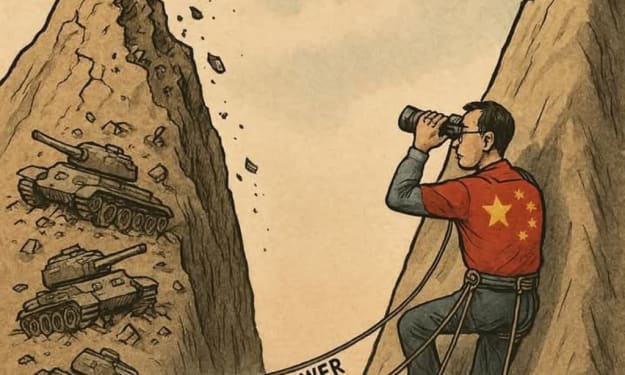
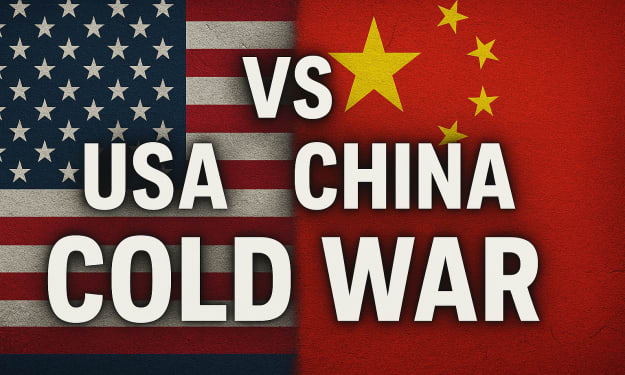
Trade War and China Strategy The geopolitical competition between China and the United States is a watershed event in contemporary world politics. According to Kishore Mahabubani's analysis, the United States is showing very clear strategic weaknesses in its competition against China, and China is meeting that challenge very systematically, subtly, and pragmatically.
By Rohitha Lankaabout a year ago in Journal
AI and Humanity: A Relationship Evolving with Purpose.
Not too long ago, artificial intelligence sounded like science fiction. But today, AI is deeply embedded in our daily lives from voice assistants and content recommendations to fraud detection and medical diagnostics. The evolution has been so fast and seamless that we often don’t realize we’re interacting with AI at all.
By Sayed Zewayedabout a year ago in Journal