
Status: WFH
Understanding The Growing Demand For Homes With Office Rooms With Increasing Remote-Work Culture

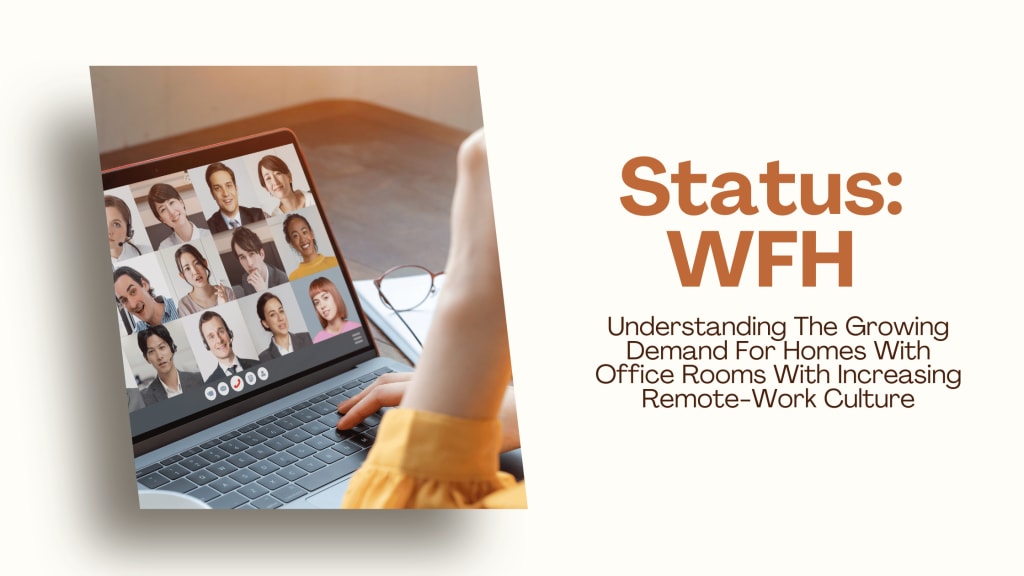
The rise of remote work has significantly influenced the way people think about their living spaces. As more companies embrace flexible work arrangements, the demand for homes with dedicated office rooms has surged. This trend is reshaping the real estate market as both homebuyers and renters prioritize properties that cater to their evolving work-from-home needs. Understanding the factors driving this demand can provide valuable insights for homeowners, real estate professionals, and developers.
One of the primary reasons for the growing demand for homes with office rooms is the permanence of remote work. What started as a temporary solution during the pandemic has become a long-term arrangement for many employees and businesses. Companies have recognized the benefits of remote work, such as increased productivity, cost savings, and improved employee satisfaction. As a result, many companies are adopting hybrid or fully remote work models, allowing employees to work part-time or full-time from home. This shift has made a dedicated home office a necessity rather than a luxury.
A dedicated office space at home offers several advantages. First, it helps create a clear boundary between work and personal life. For remote workers, the lack of separation between work and home can lead to burnout and decreased productivity. An office room provides a designated space for work, helping individuals maintain focus during work hours and unwind more effectively during their free time. It also reduces distractions, enabling workers to perform their tasks efficiently.
Another factor contributing to the demand for home offices is the need for privacy and professionalism during virtual meetings. With video conferencing becoming a standard practice, remote workers need a quiet, well-equipped space for meetings and calls. A separate office room allows for a professional backdrop, minimizing interruptions and ensuring a conducive environment for collaboration and communication.
The rise of remote work has also influenced the preferences of homebuyers and renters. Many individuals now prioritize homes with extra rooms that can be converted into offices. This trend is particularly strong among families, where multiple household members may need dedicated workspaces. Additionally, individuals who run home-based businesses or freelancers are seeking homes that accommodate their professional needs.
Real estate developers and builders are responding to this demand by designing homes with flexible floor plans that include office spaces. New construction homes often feature dedicated offices or flexible rooms that can easily be converted into workspaces. In addition, open floor plans with designated work nooks, built-in desks, and enhanced connectivity are becoming popular design elements in modern homes.
For existing homeowners, the growing demand for home offices presents an opportunity to enhance their property’s value. Renovating a spare bedroom, basement, or unused space into a functional office can increase the appeal of a home on the market. This is especially true in urban areas where space is at a premium, and potential buyers or renters may be seeking homes that accommodate their remote work needs.
The trend of homes with office rooms is expected to continue as remote work becomes a permanent fixture in the professional landscape. The flexibility and convenience of working from home have reshaped the priorities of individuals and families when it comes to choosing a living space. As this demand grows, real estate markets will likely continue to adapt, offering more homes that cater to the remote work lifestyle.
The growing demand for homes with office rooms directly results from the increasing remote work culture. With more people working from home, dedicated workspaces have become essential. This trend is influencing home design, real estate preferences, and the overall housing market. As remote work continues to evolve, so too will the demand for homes that support a productive and balanced work-from-home experience.
About the Creator
Cassie Will-Darnall
Cassie Will-Darnall is a business professional with deep knowledge in sales, marketing, teaching, management, and real estate. Visit CassieWillDarnall.net.
Enjoyed the story? Support the Creator.
Subscribe for free to receive all their stories in your feed.
Comments
There are no comments for this story
Be the first to respond and start the conversation.