
Skin Health as a Longevity Strategy: What Clinical Dermatology Offers Beyond Cosmetics
Skin Health as a Longevity Strategy: What Clinical Dermatology Offers Beyond Cosmetics

he Biological Connection: Skin as a Health Mirror
The skin acts as our primary defense against the outside world. When this barrier breaks down due to age or environmental damage, it doesn't just lead to wrinkles; it triggers a cascade of internal issues. Researchers have coined the term "Inflammaging" to describe the chronic, low-grade inflammation that develops as we age. The skin is a major source of these inflammatory signals.
When skin becomes chronically inflamed—through conditions like rosacea, eczema, or simple neglect—it releases pro-inflammatory cytokines into the bloodstream. These signals can affect other organs and accelerate biological aging across the body. Therefore, maintaining skin health isn't just about looking younger; it’s about keeping your systemic inflammation levels in check.
Why Our Skin Declines
The aging process of the skin is driven by both internal and external factors:
The Collagen Crash: Starting in our mid-20s, collagen production drops by about 1% every year. By the time we hit 40, the skin is significantly thinner and less resilient.
UV Damage: This remains the greatest external threat. Roughly 90% of visible skin aging is caused by sun exposure, which creates oxidative stress and directly damages cellular DNA.
Slowed Regeneration: In our youth, skin cells renew themselves every 28 days. In older adults, this cycle can stretch to 90 days, leading to a buildup of dead cells and a dull, uneven complexion.
Advanced Therapeutic Interventions
To combat these changes, longevity-focused dermatology utilizes evidence-based procedures that go deeper than standard facials. These treatments are designed to "reboot" the skin’s natural regenerative processes.
Fractional CO2 Laser Resurfacing is a cornerstone of clinical skin repair. By creating microscopic channels of "injury" in the skin, it forces the body to produce a fresh layer of collagen and elastin. Clinical studies often show a 50% to 70% improvement in skin texture and the removal of precancerous sun damage.
Microneedling and PRP (Platelet-Rich Plasma) have also gained traction. By using the patient’s own growth factors from their blood, dermatologists can stimulate cellular repair at a much deeper level than any over-the-counter cream could achieve. Other treatments like IPL (Intense Pulsed Light) target the vascular and pigment changes that contribute to "inflammaging," effectively clearing the skin of redness and sunspots.
The Rise of Global Dermatology Hubs
Because these high-end clinical treatments can be prohibitively expensive in Western countries, many people are turning to international medical hubs. Istanbul, Turkey, has emerged as a world leader in this space. Patients travel there not just for lower costs—which can be 50% to 70% less than in the US or UK—but for the high concentration of specialized clinics.
These international centers often provide access to the latest "picosecond" lasers and radiofrequency technologies that might not be available at a local neighborhood spa. However, the move toward medical tourism requires due diligence. Experts stress the importance of checking for international accreditations, such as the Joint Commission International (JCI), to ensure that the clinical standards match the marketing.
A Long-Term Prevention Strategy
The future of skin health is moving away from "reactive" care—fixing a problem once it appears—and toward "proactive" maintenance. A solid longevity strategy for the skin involves three simple but non-negotiable pillars:
Rigorous Photoprotection: Using a high-quality SPF 30+ daily is the most effective anti-aging intervention available.
Early Treatment of Inflammation: Addressing issues like adult acne or dermatitis early prevents them from becoming systemic inflammatory triggers.
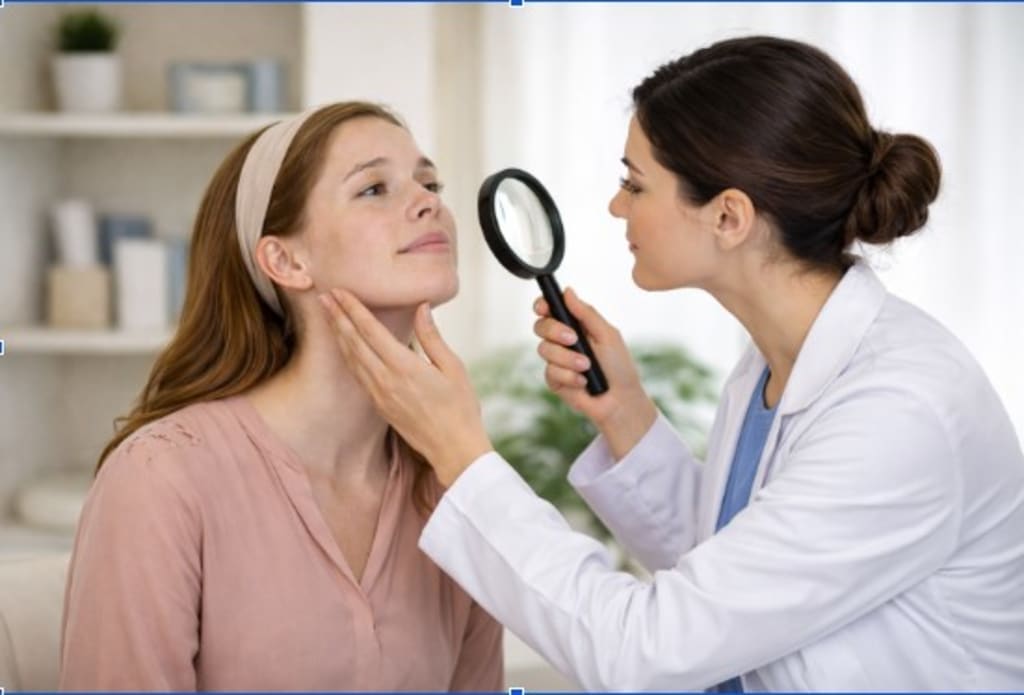
Professional Monitoring: Regular check-ups with a dermatologist can identify cellular changes before they turn into serious health issues.
Ultimately, the goal is to ensure that our "biological envelope" remains strong and functional. By treating dermatology as a branch of longevity medicine, we protect our bodies from the outside in, ensuring that our skin remains a vibrant reflection of our internal health for decades to come.
About the Creator
Enjoyed the story? Support the Creator.
Subscribe for free to receive all their stories in your feed.
Comments
There are no comments for this story
Be the first to respond and start the conversation.