
Power, Vision, and Disruption: The Most Influential People in the World in 2026
Mapping the Architects of Tomorrow Across Politics, AI, and Culture

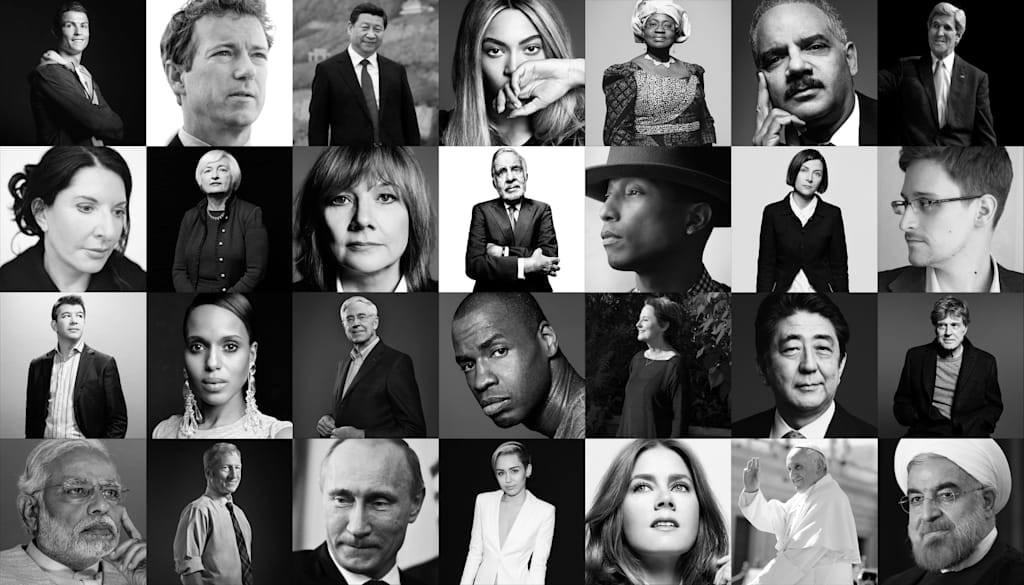
The year 2026 stands as a profound inflection point in global history. As the dust settles on the rapid technological explosions of the early 2020s and the world navigates heavily realigned geopolitical dynamics, a new era of influence has emerged. To understand who shapes the world today is to understand the forces driving it: the maturation of artificial intelligence, the next giant leaps in space exploration, the shifting tides of global leadership, and a cultural renaissance that blurs the lines between digital and physical realms.
Leading authorities on global impact, including the annual TIME100 list and the CALL 100, have unveiled their selections for the most influential figures of 2026. These rosters reflect a world where power is multidimensional. It is wielded not just in the halls of government, but in research laboratories, on the slopes of the Winter Olympics, and across streaming platforms. From state leaders to novelists, these individuals are authoring the narrative of our current reality.
The Geopolitical Chessboard: Leaders and Policymakers
In 2026, global politics is defined by a mix of enduring strongmen, returning heavyweights, and a groundbreaking wave of female leadership. The definition of a "policymaker" has expanded, but traditional state power remains undeniably potent.
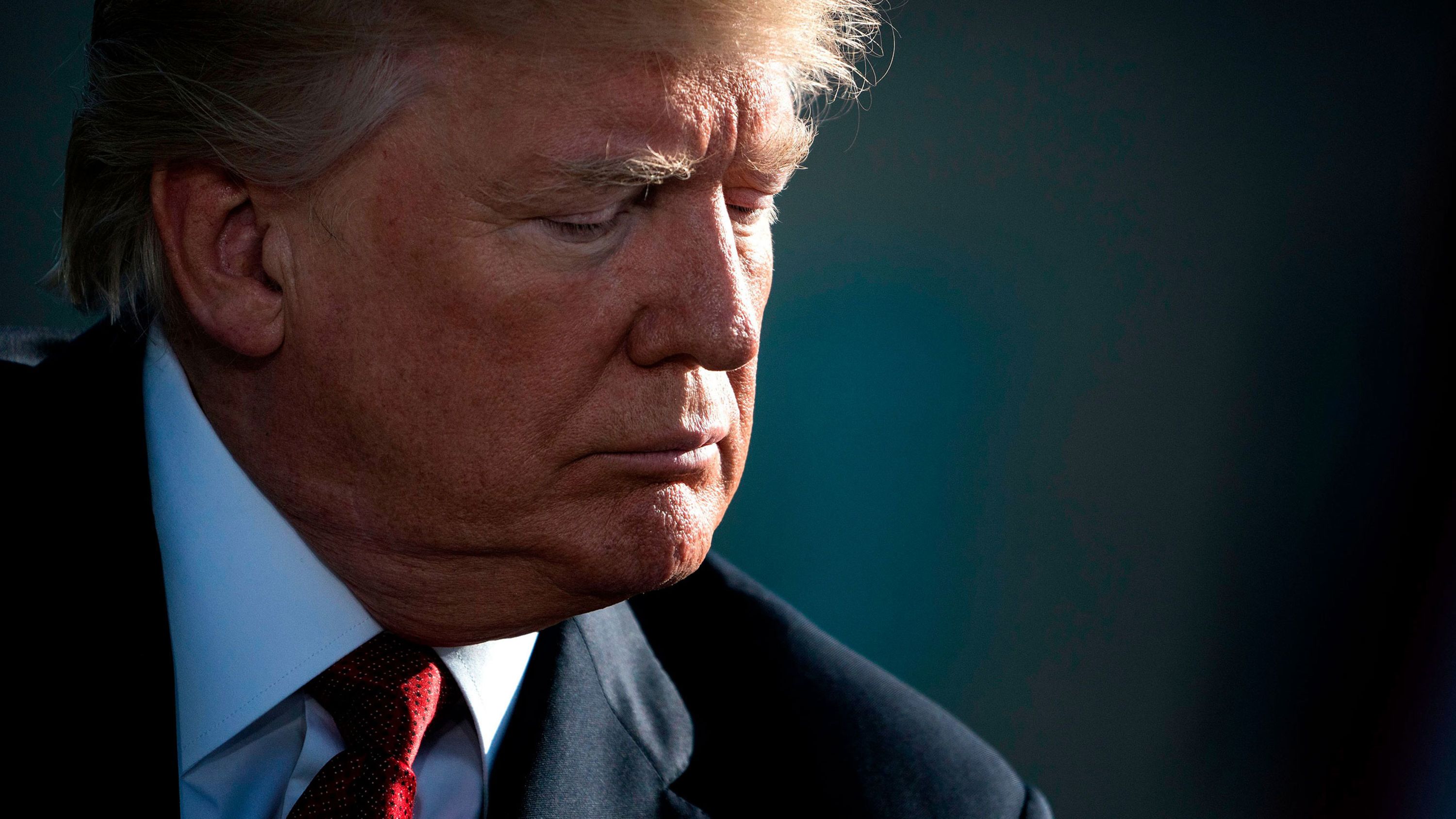
At the center of global influence is Chinese President Xi Jinping, who in 2026 marks a record-breaking 14th appearance on the TIME100 list, more than any other person recognized this year. His enduring presence underscores China's inescapable economic and strategic gravity in international affairs. Parallel to this is the ongoing influence of U.S. political figures. Donald Trump makes his 8th appearance on the list, a testament to his enduring and polarizing grip on American politics and global discourse. Alongside him, figures like California Governor Gavin Newsom, U.S. Secretary of State Marco Rubio, and prominent strategist Susie Wiles highlight the diverse power centers within the United States.
Yet, 2026 is equally defined by a historic milestone for female representation in global politics, with women accounting for roughly 30% of the figures honored by TIME. Japanese Prime Minister Sanae Takaichi stands out as a trailblazer, charting a new course for the nation's domestic and foreign policy. She is joined by other formidable global leaders, including Mexican President Claudia Sheinbaum, Denmark's Mette Frederiksen, and Namibia's Netumbo Nandi-Ndaitwah.
Spiritual and diplomatic leaders also continue to hold immense sway. Pope Leo XIV has been recognized as a unifying global leader, navigating the Catholic Church through an era of profound social change. Meanwhile, on the diplomatic and environmental fronts, figures like Rafael Mariano Grossi and Mark Carney continue to steer international conversations regarding nuclear oversight and global climate finance, respectively.
Architects of the Future: Tech, AI, and Space
If politics dictates the present, technology and science dictate the future. The innovators and titans of 2026 are primarily those who are fundamentally altering how humanity interacts with the universe and with information.
Artificial Intelligence has moved from speculative disruption to foundational infrastructure, and its chief architects are recognized as global titans. Dario and Daniela Amodei, leaders in the AI sector, continue to shape the ethical and functional deployment of large language models, earning their second TIME100 recognition. They are joined by veteran tech titans who are steering their massive ships through the AI revolution, including Google's Sundar Pichai, Dell's Michael and Susan Dell, and Intel CEO Lip-Bu Tan. The semiconductor industry, the physical bedrock of the AI boom, is represented by C.C. Wei, highlighting the critical geopolitical importance of microchip manufacturing.
Humanity’s gaze in 2026 is also firmly fixed on the stars. A standout figure in the "Pioneers" category is American astronaut Reid Wiseman, the commander of the historic Artemis II mission. By leading humanity's return to lunar orbit, Wiseman represents a renewed era of space exploration, bridging the gap between the Apollo era and future Martian ambitions. Backing the infrastructure of this new space age is Gwynne Shotwell of SpaceX, whose logistical and engineering leadership continues to make routine spaceflight a reality.
The Business Moguls and the Creator Economy
Economic influence in 2026 bridges the gap between traditional industry and the hyper-lucrative digital creator space. Aliko Dangote, the Nigerian billionaire industrialist, is recognized as a Titan, underscoring the growing economic power and industrial self-sufficiency of the African continent.
However, the definition of a "business mogul" has permanently expanded to include digital creators who command audiences larger than the populations of most nations. MrBeast (Jimmy Donaldson) makes his second appearance on the TIME100 list, representing the undeniable clout of the creator economy. His inclusion alongside traditional business leaders like David Ellison and retail executives like John Furner proves that philanthropy, entertainment, and massive capital can be wielded directly from a smartphone screen.
Key Titans and Leaders of 2026
FigureSphere of InfluenceNotable Achievement in 2026Xi JinpingGlobal PoliticsRecord 14th appearance on TIME100Sanae TakaichiNational LeadershipPioneering leadership as Japanese Prime MinisterReid WisemanSpace ExplorationCommander of the Artemis II lunar missionLip-Bu TanTechnologyStrategic direction as CEO of IntelDario & Daniela AmodeiArtificial IntelligenceContinued leadership in safe, scalable AI modelsAliko DangoteGlobal IndustryDriving African industrialization and infrastructure
Cultural Titans: Screen, Stage, and Page
Influence is not merely about policy and processors; it is about who captures the human imagination. The cultural landscape of 2026 is rich, diverse, and heavily globalized.
The entertainment industry is led by veterans enjoying critical renaissances and global superstars breaking new ground. The four worldwide covers of the 2026 TIME100 issue reflect this diversity: actor Zoe Saldaña, comedian Nikki Glaser, actor Wagner Moura, and country singer-songwriter Luke Combs. Saldaña’s recognition as a Titan cements her legacy as one of the most successful box-office stars in cinematic history.
The music industry highlights the absolute globalization of pop culture. Jennie, the powerhouse singer from the South Korean group BLACKPINK, is honored in the "Artists" category, proving that K-pop's influence is a permanent fixture of the global cultural zeitgeist. She is joined by Puerto Rican star Rauw Alejandro and folk-pop phenomenon Noah Kahan, showcasing a deeply fragmented but vibrant musical landscape.
On screen, 2026 is a year of triumphant returns and profound storytelling. Hollywood icons like Ben Stiller, Ethan Hawke, Kate Hudson, and Dakota Johnson are celebrated alongside international heavyweights like Ranbir Kapoor and Benicio Del Toro. Notably, actress Demi Moore is recognized for her highly acclaimed, socially critical horror film The Substance, demonstrating that influence in Hollywood can be reclaimed and redefined at any age.
The literary world also boasts immense power in shaping societal empathy and terror alike. Tayari Jones is celebrated for her rich, deeply interior explorations of Black women's lives, while the mysterious pseudonymous author Freida McFadden is honored for single-handedly dominating the psychological thriller genre. Yiyun Li rounds out the literary influencers, recognized for her poetic and radical engagement with human grief.
Athletics and Human Endurance
Sports in 2026 are defined by stories of remarkable resilience, youth, and the breaking of perceived physical limits. Athletes wield influence by serving as avatars of human potential and mental fortitude.
Perhaps the most inspiring narrative in global sports is the comeback of American ski racer Lindsey Vonn. Recognized by CALL Magazine as having the "comeback of the decade," Vonn returned to the slopes in the 2025/2026 winter season at the age of 41. After a career plagued by severe knee ligament tears, surgeries, and immense physical tolls, her return is framed not as an attempt to recapture the past, but as a masterclass in overcoming mental blocks and redefining what is physically possible for women in their 40s.
Contrasting Vonn’s veteran status is American figure skater Alysa Liu. At just 20 years old, Liu is the youngest person on the 2026 TIME100 list, representing the immense pressure and rapid ascent characteristic of modern elite sports. The sports roster is further elevated by global superstars who dominate their respective fields: world number one golfer Scottie Scheffler, Formula 1 sensation Lando Norris, Olympic snowboarder Chloe Kim, track star Noah Lyles, and tennis champion Jannik Sinner. Ice hockey legend Hilary Knight is also honored as an "Innovator," highlighting her role in advancing women's sports and fighting for equity on the ice.
Changemakers, Architecture, and Global Health
Beyond the glare of the media and the strict confines of politics, the most impactful individuals of 2026 are those doing the quiet, structural work of saving lives, designing the future, and fighting for human rights.
Global health remains a critical battlefield. Tedros Adhanom Ghebreyesus, the Director-General of the World Health Organization (WHO), is highlighted as a leading fighter against pandemics. In 2026, his influence is tested as he navigates the WHO through severe financial threats and geopolitical turbulence following the withdrawal of the United States from the organization.
In the physical world, visionaries are reshaping our cities. Danish architect Bjarke Ingels is recognized for his sustainable and spectacular urban designs, most notably winning the contract in 2026 for the highly anticipated new opera house in Hamburg—a structure designed with walkable roofs and sweeping glass surfaces meant to mimic ocean waves.
Finally, the changemakers and advocates form the moral backbone of 2026. The list is bookended by 96-year-old labor rights icon Dolores Huerta, the oldest person on the TIME100 list, proving that the fight for equity is a lifelong pursuit. Alongside her, advocates like Iranian Nobel laureate Shirin Ebadi and Kica Matos continue to shape the global conversation around human rights and social justice.
The Nature of Influence Today
Looking at the most influential people of 2026, a clear narrative emerges: influence is no longer a top-down phenomenon. While political heavyweights like Xi Jinping and Donald Trump command headlines, and tech executives steer the global economy, the power to change the world is equally distributed among astronauts charting courses to the moon, athletes defying the limits of human aging, and storytellers translating our collective anxieties into art.
The year 2026 proves that impact is not defined by a single metric. It is measured by the stories these individuals write, the boundaries they push, and the indelible marks they leave on a rapidly evolving world.
About the Creator
Michael Mitch
Your go-to guide for the ultimate Top 10s! I take completely random topics and find the absolute best they have to offer. Expect the unexpected.
Enjoyed the story? Support the Creator.
Subscribe for free to receive all their stories in your feed.
Comments
There are no comments for this story
Be the first to respond and start the conversation.