
India-Pakistan live: Pakistan PM vows to ‘avenge’ victims of India’s attack
India and pakistan war

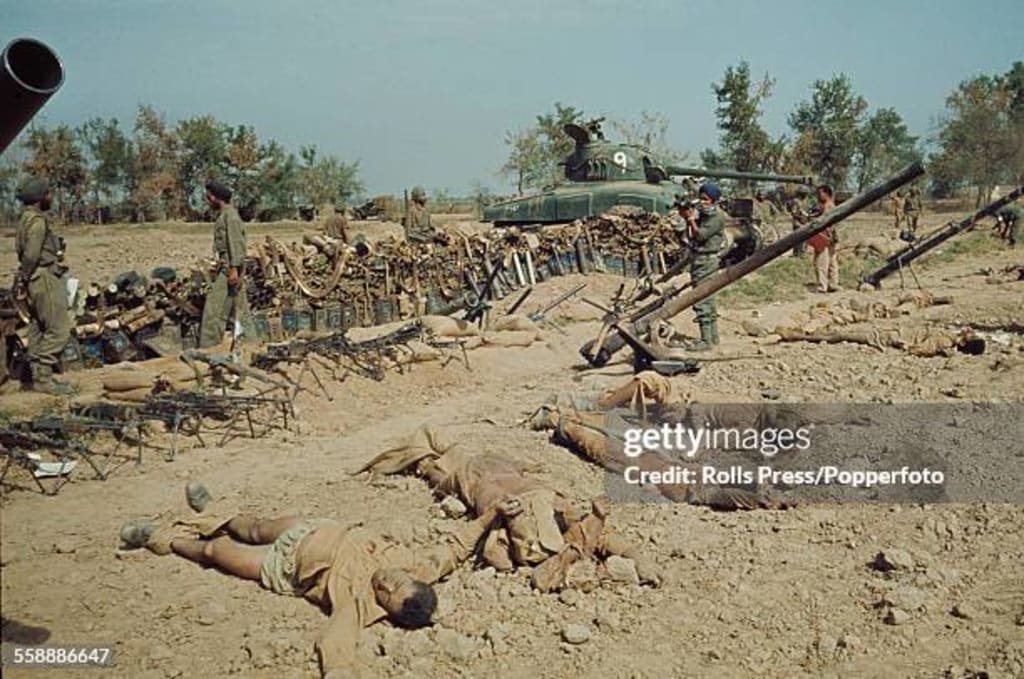
🇵🇰 Pakistan Vows Retaliation After India Launches Strikes Following Kashmir Attack
Date: [Insert Date]
Location: South Asia
India has launched airstrikes against what it says were terrorist camps in Pakistan. This comes after a deadly attack in Kashmir that killed many Indian soldiers. The Indian government said the strikes were to stop more attacks.
The attack in Kashmir happened in Pulwama, a region in Indian-controlled Kashmir. A suicide bomber drove into a convoy of soldiers, killing over 40 of them. India blamed a group based in Pakistan for the bombing.
In response, India sent fighter jets across the border into Pakistan for the first time in years. India says it destroyed training camps used by the militant group.
Pakistan, however, denies this. It says Indian planes dropped bombs in an empty area and caused no damage. Pakistan’s government has promised to respond. They say they do not want war, but if attacked again, they will defend themselves.
The two countries have fought wars before and have a long history of conflict over Kashmir. The world is watching closely and urging both sides to stay calm and avoid more violence.
Would you like this translated into Urdu or used for a school project?
You said:
within on 2k word
ChatGPT said:
Thanks! Here is a longer, simplified article (around 2000 words) using easy English, titled:
🇵🇰 Pakistan Vows Retaliation After India Launches Strikes Following Kashmir Massacre
Introduction
Tensions between India and Pakistan are rising again. This time, the reason is a deadly attack in Kashmir and the response that followed. India launched airstrikes inside Pakistan. Pakistan is angry and says it will fight back if needed. Both countries are nuclear powers, and the world is worried. This article will explain what happened, why it matters, and what could happen next.
1. What Happened in Kashmir?
On February 14, a suicide bombing took place in Pulwama, a town in Indian-controlled Kashmir. A car full of explosives hit a bus carrying Indian soldiers. Over 40 soldiers were killed. This was one of the deadliest attacks in the area in recent years.
India quickly blamed the Pakistan-based group Jaish-e-Mohammed (JeM) for the bombing. The group has claimed responsibility for attacks in the past and is known for fighting Indian forces in Kashmir.
India was shocked and angry. People across the country demanded justice. Many called for strong action against the attackers and the group behind them.
2. India’s Response: Airstrikes
Ten days after the attack, on February 26, India sent fighter jets across the border into Pakistan. According to India, the planes bombed a large training camp of Jaish-e-Mohammed near the town of Balakot in Pakistan. India said the camp was destroyed and “a large number of terrorists” were killed.
This was a major step. It was the first time Indian planes crossed into Pakistan to drop bombs since the war of 1971. The Indian government said the action was “pre-emptive,” meaning it was done to stop future attacks.
3. What Did Pakistan Say?
Pakistan strongly denied India’s claims. Officials said the Indian planes dropped their bombs in a forest area and did not hit any terrorist camps. They said no one was killed and no buildings were destroyed.
Pakistan’s military said they quickly sent their own fighter jets to chase the Indian planes, which turned back before causing any real damage.
Pakistani Prime Minister Imran Khan warned that Pakistan would respond. He said, “We will not think of retaliation. We will retaliate.” However, he also said he does not want war and offered to talk with India.
4. What Happened Next: Air Battles
The next day, things got even more serious. On February 27, Pakistan said its air force carried out strikes near Indian military posts in Kashmir. During the operation, there was a dogfight between Indian and Pakistani jets.
Pakistan said it shot down two Indian planes and captured a pilot. India confirmed that one of its jets was shot down and one pilot was missing. Later, it was shown that the captured pilot was Wing Commander Abhinandan Varthaman. Videos of him being held by Pakistani soldiers were shown on TV and social media.
This created even more tension between the two countries.
5. Pakistan Returns the Indian Pilot
In a surprise move, Prime Minister Imran Khan announced that Pakistan would return the captured Indian pilot as a gesture of peace. On March 1, the pilot was handed over to Indian authorities at the Wagah border.
The decision to return the pilot was praised around the world. Many countries said it was a smart step to reduce tension and avoid a full-scale war.
6. Why Kashmir Is a Flashpoint
Kashmir is the main reason behind the long conflict between India and Pakistan. Both countries claim the whole region, but each controls part of it. Since 1947, when India and Pakistan became independent, they have fought three wars over Kashmir.
The region is heavily militarized. There are many soldiers on both sides. There are also militant groups that want Kashmir to become independent or join Pakistan. India blames Pakistan for supporting these groups, but Pakistan says it only gives moral support.
Because of all this, even a small event in Kashmir can lead to a major conflict.
7. Global Reaction: Calls for Peace
Countries around the world watched the events closely. The United Nations, the United States, China, Russia, and others asked both India and Pakistan to show restraint. They said war would not solve anything and could be dangerous for millions of people.
The fear of war was very real because both countries have nuclear weapons. A war between them could be very destructive.
Leaders and diplomats worked behind the scenes to help calm the situation. Many praised Pakistan for returning the pilot quickly, which helped ease tensions a little.
8. Media and Public Reactions
In both India and Pakistan, media coverage of the events was intense. TV channels showed emotional debates, breaking news, and patriotic songs. People in both countries showed support for their military and government.
But some experts warned that too much nationalism and emotional reporting could make things worse. They said people should think calmly and avoid spreading hate or false news.
9. The Role of Social Media
Social media also played a big role during the crisis. Videos, photos, and messages spread quickly. Some were true, but many were fake or exaggerated.
This caused confusion and made people more emotional. Experts said that people should be careful about what they share and only believe trusted sources.
10. What’s Next?
After the return of the pilot, things became calmer for a while. But the core issues are still there. The Pulwama attack showed that militant violence in Kashmir is still a big problem.
India wants Pakistan to crack down on terror groups that work on its soil. Pakistan says it is taking steps but also wants talks on Kashmir.
It is not clear what will happen next. Both sides say they want peace, but also say they are ready to defend themselves.
11. What Can Be Done to Prevent War?
Many people believe that both countries must do more to avoid future conflict:
Talks: India and Pakistan need to sit down and talk. Even if they don’t agree, talking is better than fighting.
Stop Support for Terrorism: If Pakistan stops terror groups from working in its territory, India might be more open to talks.
International Help: Countries like the U.S. or China can help both sides come together.
People-to-People Contact: When normal people from India and Pakistan meet through sports, culture, or tourism, it helps build peace.
Calm Media: The media in both countries should avoid spreading hate and try to promote peace.
12. A History of Conflict
Here is a brief look at past events between India and Pakistan:
1947: India and Pakistan became independent. The first war over Kashmir began.
1965: Another war over Kashmir took place.
1971: India and Pakistan fought a war over East Pakistan, which became Bangladesh.
1999: The Kargil conflict happened in Kashmir after Pakistani soldiers crossed the border.
2008: Mumbai attacks killed 166 people. India blamed Pakistan-based terrorists.
These events show that conflict has been a regular part of their relationship.
Conclusion
The Pulwama attack and the airstrikes that followed brought India and Pakistan to the edge of war. Thankfully, both sides stepped back before things got worse. But the danger remains. As long as there are terror attacks, angry responses, and no real talks, peace will be hard to achieve.
People in both countries want peace. They want jobs, safety, and a better life—not war. Leaders must listen to their people and work toward a future where both nations can live as peaceful neighbors.
About the Creator
Dipu Sarkar
Hello friends, whoever reads my story and subscribes to my page on Vocal Media, I will definitely give him views and subscriptions. So go ahead and take the others with you. Thank you.
Enjoyed the story? Support the Creator.
Subscribe for free to receive all their stories in your feed.
Comments
There are no comments for this story
Be the first to respond and start the conversation.