
I Stopped All Impulse Buying for 60 Days
Didn’t Expect This Mental Shift
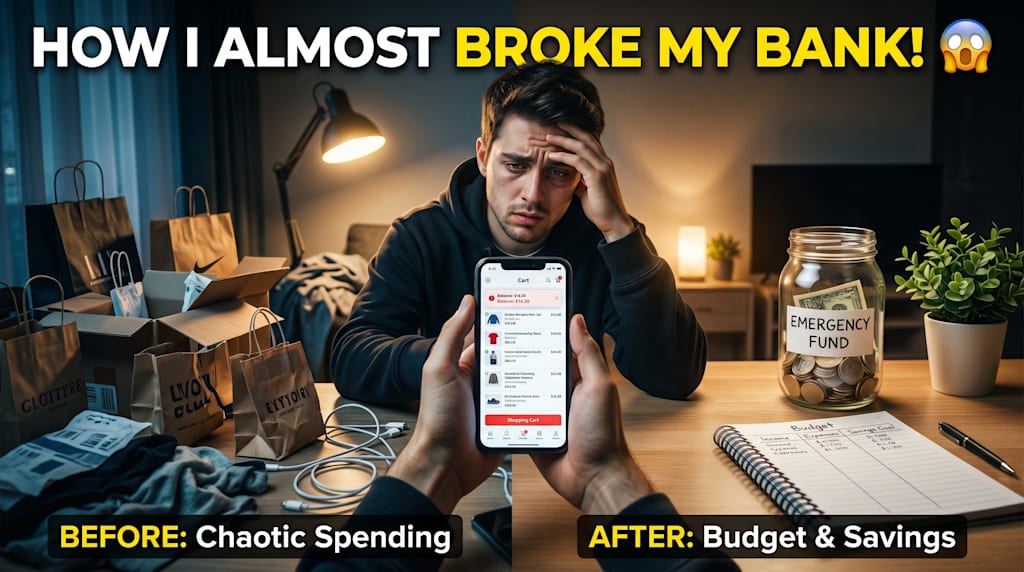
I didn’t think I had a problem.
That’s what I kept telling myself every time I clicked “Buy Now.”
It was never anything big. A hoodie I didn’t need. A gadget I would probably use twice. A “limited offer” I felt stupid saying no to. It all felt harmless… until I checked my bank account one night and couldn’t understand where my money had gone.
Not lost. Not stolen. Just quietly disappeared.
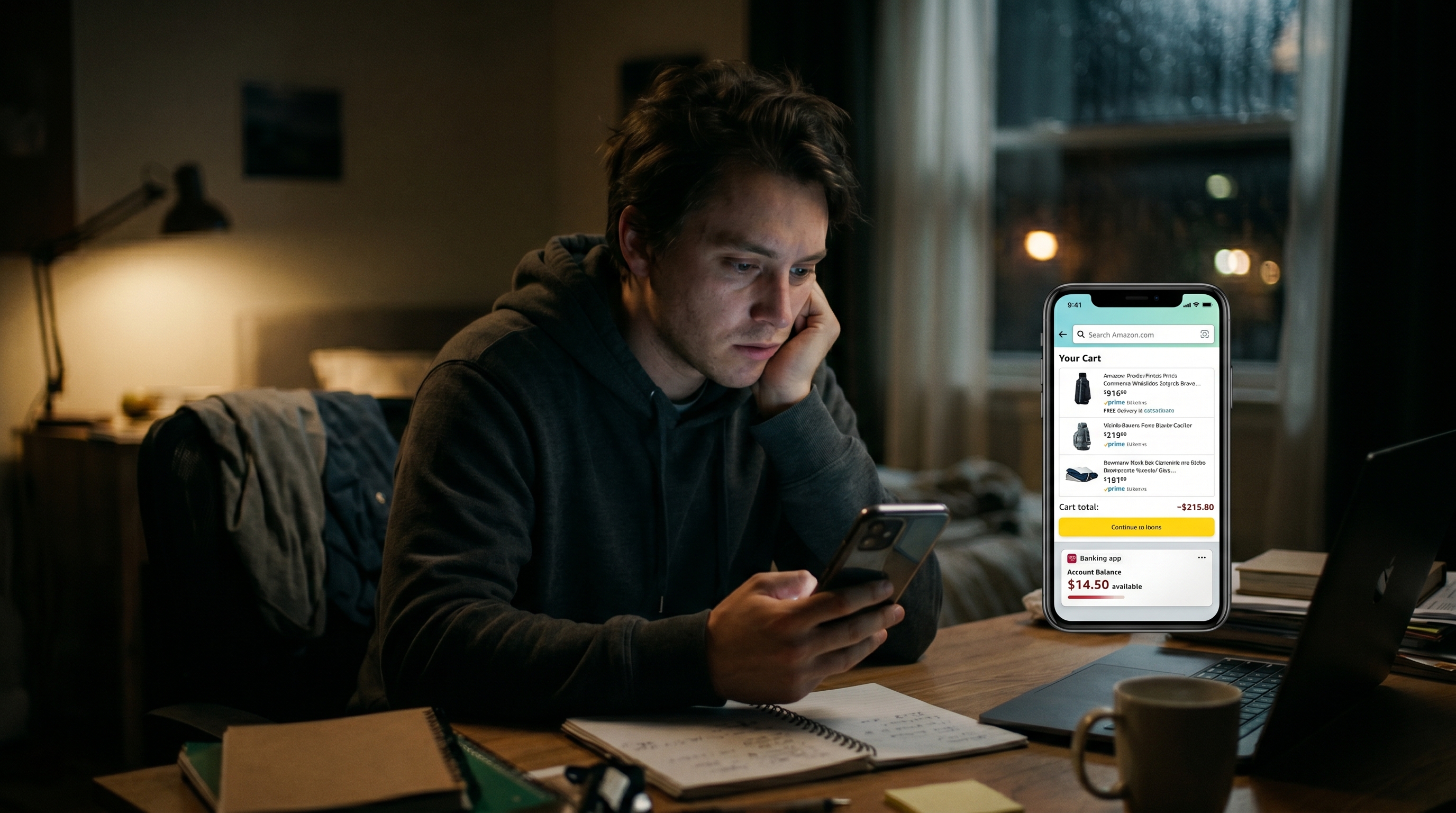
That night, something shifted in me.
Not dramatically. No big breakdown. Just a quiet realization that made my stomach sink: I wasn’t spending money because I needed things. I was spending because I couldn’t tolerate the feeling of wanting something and not getting it.
And that scared me more than the number in my bank account.
The Background I Didn’t Want to Admit
I used to think impulse buying was just “small treats.”
A reward after a long day. A way to feel a bit better when work was stressful. A distraction when life felt repetitive.
But over time, it became automatic.
Scroll → see product → imagine life with it → buy → brief excitement → guilt → repeat.
I wasn’t living life anymore. I was reacting to it.
The worst part? I didn’t even enjoy most of the things I bought. Some were still in boxes weeks later. Others lost their “magic” after a single use.
I told myself I just needed better self-control.
But deep down, I knew it wasn’t about discipline alone. It was something deeper.
The Turning Point Decision
One Sunday morning, I did something I hadn’t done in a long time: I checked my total spending for the past month.
It wasn’t catastrophic. But it was uncomfortable enough to force honesty.
That same day, I made a simple rule:
No impulse purchases for 60 days.
Not “try to spend less.”
Not “be more careful.”
Just a clean, strict boundary.
If I wanted something, I had to wait 48 hours before buying it.
It sounded easy when I said it out loud.
It wasn’t.
The First Week: Withdrawal I Didn’t Expect
The first few days felt like I had removed something from my routine.
I kept reaching for my phone without thinking.
Not because I needed anything—but because I was bored.
Or stressed.
Or slightly uncomfortable.
And I realized something unsettling: I had trained myself to shop as emotional regulation.

By day four, I almost broke the rule.
There was a “limited 70% discount” on something I had wanted before.
My finger hovered over the button for a full minute.
Then I stopped.
I didn’t ask “Can I afford this?”
I asked “Do I even want this tomorrow?”
I closed the app.
That was the first small win.
The Hard Part: Silence
Week two hit differently.
It wasn’t temptation anymore.
It was silence.
I noticed how often I used shopping as a filler for uncomfortable moments—waiting in line, taking a break, avoiding work stress, even when I was slightly lonely.
Without impulse buying, those moments just… existed.
And I had to sit with them.

That’s when the real shift started.
I began noticing patterns:
I didn’t actually want most things I browsed
I shopped more when I was tired or anxious
“Deals” were designed to interrupt my thinking, not improve my life
It stopped feeling like spending.
It started feeling like being manipulated.
The Midpoint: Clarity Creeps In
Around week three, something surprising happened.
I didn’t feel deprived anymore.
Instead, I felt… lighter.
I started checking my bank account without anxiety.
Not because I suddenly had more money—but because I finally understood where it was going.
I also started delaying purchases naturally, even when I didn’t have to.
The 48-hour rule had rewired something.
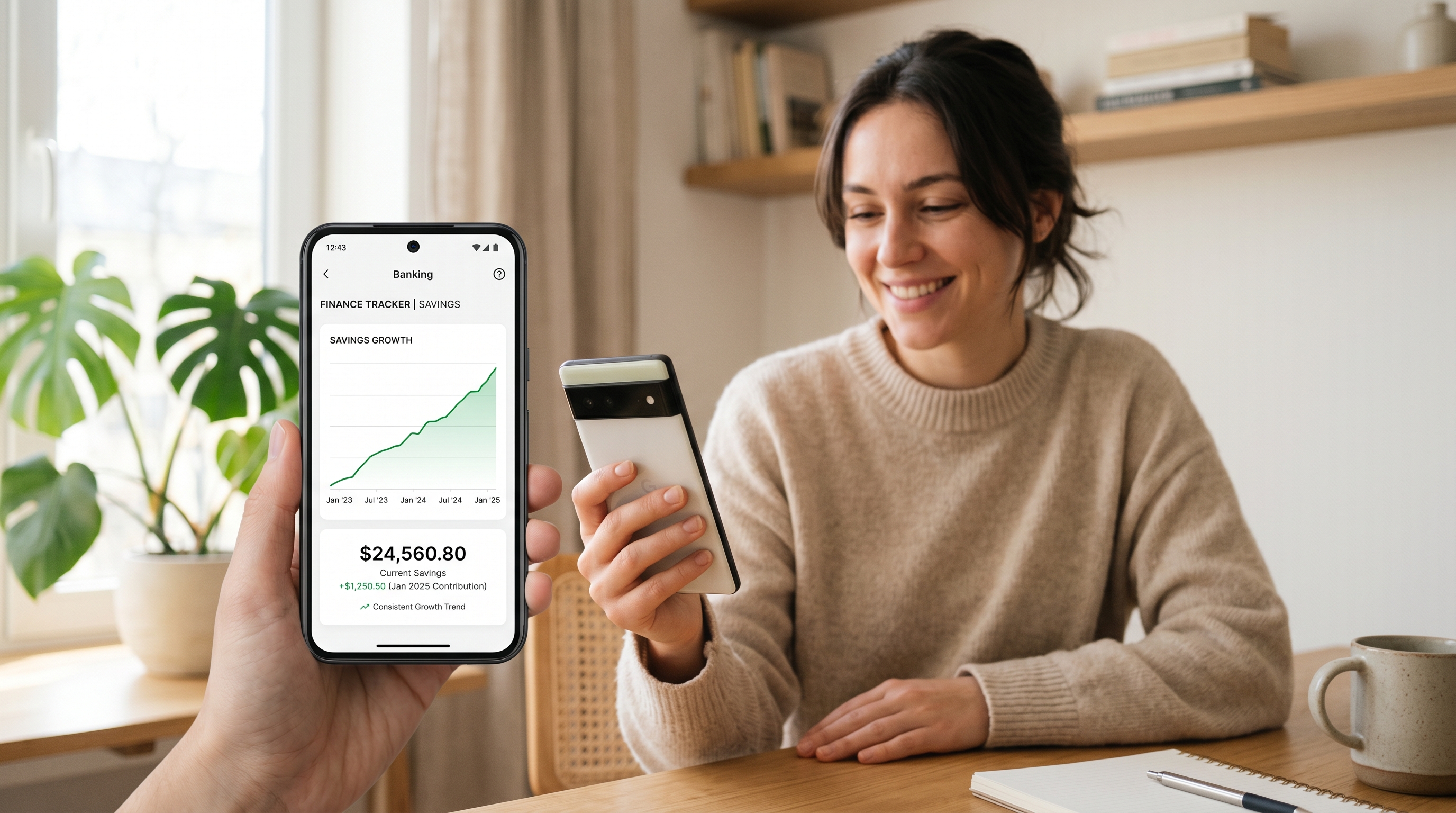
And for the first time, I noticed how many things I used to buy were just emotional noise disguised as necessity.
The Final Weeks: A Different Kind of Control
By week five and six, impulse buying didn’t disappear completely—but it lost power.
I still saw things I liked.
But the urgency was gone.
The “I need this now” feeling faded into “I’ll think about it.”
And most of the time… I didn’t think about it again.
I also started redirecting that energy elsewhere:
walking instead of scrolling
reading instead of browsing
cooking instead of ordering out of boredom
My life didn’t become restrictive.
It became intentional.
The Result I Didn’t Expect
At the end of 60 days, I checked my finances again.
I expected savings.
And yes, there was money saved.
But that wasn’t the biggest change.
The real difference was mental.
I no longer confused desire with need.
I no longer used shopping to regulate emotion.
And I no longer felt controlled by random urges that used to decide my spending for me.

I didn’t just stop impulse buying.
I stopped reacting automatically to discomfort.
The Lesson I Didn’t See Coming
I thought this challenge would teach me how to save money.
Instead, it taught me something simpler and harder:
Most impulse spending has nothing to do with money.
It has to do with emotion we don’t know how to sit with.
Once I learned to pause—even slightly—the entire system broke down.
Not because I became perfect.
But because I became aware.
And awareness is where control actually begins.
About the Creator
Enjoyed the story? Support the Creator.
Subscribe for free to receive all their stories in your feed.
Comments
There are no comments for this story
Be the first to respond and start the conversation.