
How Traditional Thai Techniques Are Passed Down in Hua Hin Kitchens
The Art of Passing Down Authentic Thai Flavours
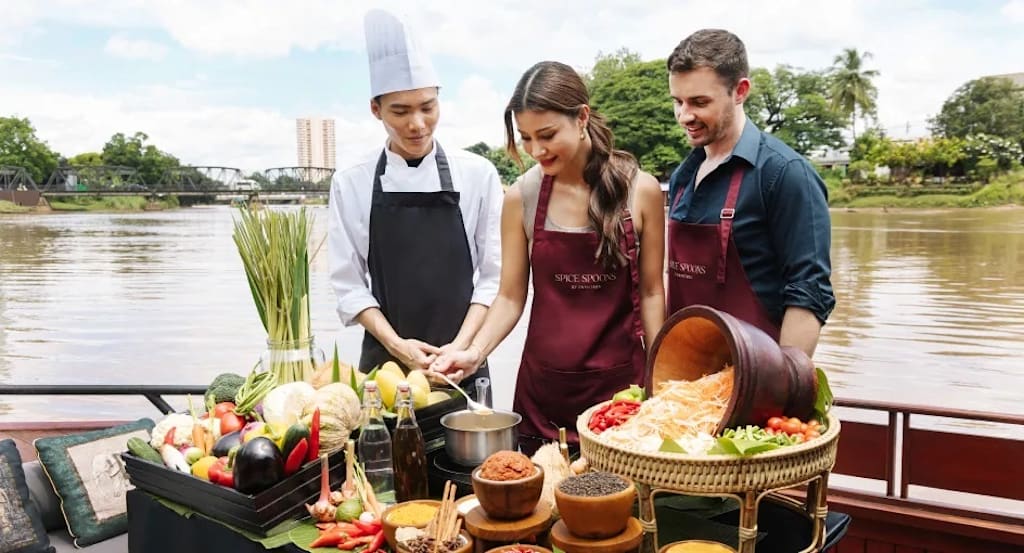
One of the most visited countries in Asia is none other than Thailand, and there is a lot to see and do here. If you are interested in the Thai royals, a city worth visiting would be Hua Hin. It has long been associated with Thai royalty and quiet coastal living. Beyond the beautiful beaches, the town is an excellent place for travellers to slow down and connect with food. Learning to cook here is not about blazing through recipes but about understanding flavour, care and intention.
An Introduction to Royal Thai Cooking
Joining a Thai cooking class in Hua Hin can be one of the most fun and memorable ways to understand Thai food culture. Rather than watching from the sidelines, participants are guided through the various stages of preparation while also learning about the Thai royals. Royal dishes are built on controlling multiple elements of the dish, as well as clarity. Flavours are balanced with precision, and nothing is added without purpose. During the class, instructors explain how this style developed within the palace kitchens, where food needed to be elegant and flavourful. The learning environment is welcoming and supportive, and instructions are usually clear and paced well. This, in turn, allows everyone to feel comfortable regardless of experience. By the end of the session, cooking feels like something that can be achieved, rather than technical or overwhelming.
Cooking In a Resort Setting
When visiting Hua Hin, another important aspect to consider would be where you are going to call home for the duration of your stay. While cooking and learning about it are the priorities, being able to combine both of these would be quite freeing. At resorts like Anantara Hua Hin, the cooking experience is designed to feel calm and personal, while also accommodating guests who wish to lodge. The day usually begins with a visit to a nearby market where chefs introduce local produce and explain how to choose ingredients using feel and touch, in addition to the visual appeal. This step helps participants see food through the eyes of a local, rather than relying on packaging or labels. Once you get to the kitchen, participants prepare ingredients, cook step by step and taste along the way. Chefs focus on practical techniques like controlling heat levels, chopping techniques, as well as adjusting flavour gradually. There is no pressure to perform and plenty of space to ask questions and learns from mistakes.
Getting To Know Ingredients Properly
Thai cooking relies heavily on things like fresh herbs, spices, and the sweet-smelling aromatics. During the class, participants are introduced to ingredients like galangal, lemongrass, kaffir, lime, and Thai basil. Each is explained clearly, including how it should smell, feel, and taste when fresh. There is also guidance on how ingredients work together and how to add them best. Rather than focusing on heat or sweetness alone, instructors explain how balance is built slowly through slow adjustments as you proceed with cooking.
Royal Techniques for Royal Dishes
Having the proper technique plays an important role in royal Thai cooking. Participants learn ancient methods of cooking, like manually pounding curry pastes as well as simmering sauces gradually to develop flavour without the heaviness. These practices encourage participants to be patient and attentive, which are key parts of the Thai food culture. Knife skills are taught with care, clarity, and under strict supervision. Participants learn how size and shape affect cooking time and texture. There is also guidance on presentation with an emphasis on simplicity and cleanliness rather than decoration.
Understanding Balance in Every Dish
Balance is probably one of the most important principles when it comes to Thai cuisine. Rather than relying on measurements, participants are encouraged to taste the food frequently and adjust gradually. This builds confidence and helps develop intuition. Instructors explain how sweet, sour, salty, and spicy elements should support one another rather than dominate the meal alone.
About the Creator
Enjoyed the story? Support the Creator.
Subscribe for free to receive all their stories in your feed.
Comments
There are no comments for this story
Be the first to respond and start the conversation.