
How to Vet an Expired Domain Before You Buy It for SEO
Buying a used domain is really a bet on inheritance.


Buying a used domain is really a bet on inheritance. A name that has been online for years may arrive with links other people built, an index entry Google already trusts, and a track record the search engines filed away long ago — and starting from that head start, rather than from an empty registration, is the whole reason anyone pays a premium for one. The complication is that inheritance runs both ways. The same history that carries authority can also carry a demotion, a manufactured link graph, or a spammy past chapter that quietly follows the name into your account. So this is less a shopping trip than a series of judgment calls, and getting them in the right order is what separates a useful purchase from an expensive one.
Rather than march through a fixed checklist, it helps to treat the process as four questions answered in sequence: what the domain is for, how much of the vetting you plan to do yourself, which signals actually have to check out, and how to close the deal without leaking the value you paid for.
What the Domain Is For
The purpose sets your tolerance for everything downstream, so settle it before you look at a single listing. Three uses cover most buyers. Some want to rebuild — put a live site back on the name and grow it as its own property. Some want to fold the name's authority into a site they already run, usually with a 301 redirect that pipes the inherited equity toward existing pages. And some are assembling a private network of supporting sites, where each name feeds links to a primary target.
Each goal tolerates a different amount of risk. A redirect passes a name's reputation straight into something you already care about, so a hidden penalty does the most damage there and the vetting bar should be highest. A standalone rebuild gives you room to disavow bad links and repair a profile over time. Knowing which camp you're in tells you how forgiving you can afford to be later.
How Much Checking You Want to Own
This is the pivot the whole purchase turns on, because the marketplaces and tools available differ mainly in how much of the audit they hand back to you. Running roughly from most DIY to least, each option is best understood by the job it does.
Free Discovery Databases
ExpiredDomains.net is the raw feed. It compiles the names falling out of registration each day and hands you free filters over signals like registration age, TLD, and inbound-link tallies. What it won't do is weigh any of that for you; a row in its table is a starting point, never a verdict.
Research and Scoring Tools
SpamZilla adds a layer of interpretation. It blends metrics from several providers and issues a spam score, so the clearly toxic gets discarded before it soaks up your attention. It stays a read-only layer, though — the actual purchase happens elsewhere, and so does the last word on quality.
Open Auctions
GoDaddy Auctions is where the bulk of resale inventory trades. It runs the biggest public sale, with timed bids and a falling-price closeout for names nobody pursues. The listing reports how old a name is and what it's fetching at that moment; it stays silent on whether the underlying record is clean.
Brokered and Premium Marketplaces
Sedo sits at the top of the price band. It deals in brandable and premium names through fixed prices, auctions, or a broker who negotiates for you. Its curation is about a name's commercial appeal, which leaves the SEO homework in your court.
Drop-Catchers
DropCatch exists for a single job: seizing one specific name you've already fixed on. It fires re-registration attempts across a fleet of registrars the instant a domain deletes, and breaks ties between rival buyers with a closed auction. Landing the catch, though, reveals nothing about whether the name is worth holding.
Curated Marketplaces
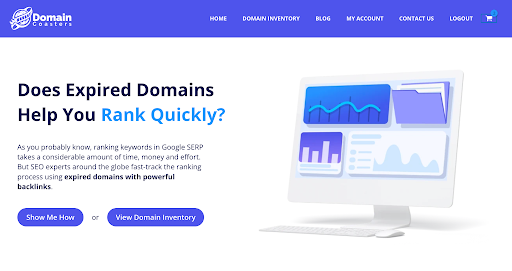
Domain Coasters inverts the model by vetting first and selling finished stock. Aimed at SEO buyers, it sources names, checks them, and keeps them in inventory it owns, so a listing is a domain you can buy outright rather than a lead to work through. Its vetting happens in two passes — in-house software first rates each candidate's link profile, anchor spread, and recorded past and flags anything carrying a penalty, then staff review by hand whatever the software clears. Names tied to gambling, adult, or supplement content are cut rather than listed, and the ones that remain are confirmed to have stayed on a single subject across their life. Inventory refreshes weekly, listings can be filtered by budget, extension, and authority scores, prices open around $19, and the name moves to your own registrar free within roughly a day.
Where you land on this spectrum decides how much of the next section you personally have to carry out. Buy from a free database or an auction and every check below is yours; buy from a curated marketplace and most of it is already done, though a spot-check of your own never hurts.
Which Signals Have to Check Out
Whoever does the vetting, the same handful of signals decide whether a name is worth owning. Frame each as a question and answer it before money moves.
Are the inbound links earned? Look at who actually points at the domain. Links from real, topically related publishers are the asset; a wall of scraped directories, comment spam, or link-farm rows is not.
Has the name been acted against? An algorithmic demotion or a manual action is the costliest thing to inherit, because it travels with the domain and can undo everything else that looks good.
Where do the anchors aim? A link profile crowded with commercial or unrelated anchors — loans, casinos, pharmaceuticals — points to past manipulation even when no formal penalty shows.
What does the archive show? The Wayback Machine reveals what the name genuinely hosted and whether it was ever flipped into spam or an entirely different business.
Is it still indexed? A name that has quietly dropped out of Google's index is waving a flag; check before you assume the trust is intact.
Did it stay on one topic? A domain that held a consistent subject passes on relevant authority; one that hopped between unrelated themes passes on far less that you can actually use.
Reported metrics make a poor substitute for this. Authority scores are easy to inflate with junk links, so treat any headline figure as a claim to verify rather than a conclusion to trust.
Taking Custody and Confirming the Equity Survived
Clearing your checks is not the same as owning the name; you still have to bring it under an account you hold and prove the value made the trip. How the handover begins depends on the channel — some deposit the name with an intermediary before it reaches you, while a fixed-price purchase can come across more directly — but the registrar-to-registrar move itself is standard. You release the lock on the name, collect its transfer authorization (the auth or EPP string) from the side you're leaving, lodge the request with your own registrar, and approve the confirmation that lands in your inbox. Pre-cleared sellers tend to carry most of that admin; win a name at auction or through a catch and more of the paperwork falls to you.
With the name in hand, aim it at the purpose you settled on at the outset — a rebuild, or a redirect into a property you already run — and then wait. Let the DNS changes spread, and across the following weeks keep watch on whether the domain keeps its footing in the index and whether its links stay live. That follow-through is what tells you the history you paid for genuinely came across, rather than leaving you to assume it did.
Matching the Route to the Buyer
There isn't a single correct venue — only the one that fits how much of the work you want to keep. If you enjoy appraising names and want the widest, cheapest selection, the free databases, research tools, and auctions give you exactly that, provided you accept that the vetting and the downside stay with you. If you'd rather the history were checked before you buy and the name arrived ready to deploy, a curated marketplace trades some of the low-end price for stock that has already passed screening. Newcomers in particular tend to learn the difference between healthy and toxic history most cheaply by starting from pre-cleared inventory and adding their own hunting later, once they know what clean looks like.
Common Questions
Roughly what should I budget? It spans a wide range. Entry-level vetted names can start around $19, auction names swing from a few dollars at closeout to four figures for contested premiums, and research tools or drop-catch backorders add their own fees on top. Cost tracks scarcity and how much checking has been done for you, not authority alone.
How soon does an aged name actually help? Sometimes quickly, if the links are genuine and still live, but treat it as weeks-to-months rather than instant. Give a transfer time to settle and the index time to reflect the change before you judge whether the inherited equity carried over.
Is buying aged domains against Google's guidelines? Buying a domain is not the problem; how you use its links is. Redirecting or rebuilding on a name with a clean, relevant history is ordinary practice. Stitching together a manipulative link network is what draws scrutiny, so the risk lives in intent, not in the purchase.
What's the mistake that costs the most? Paying on the strength of a flattering score without reading the link graph, the anchors, and the archive behind it. A hidden penalty or a spam past is the one liability that can wipe out the value of everything else you inherited.
Expired or dropped — does the wording matter? A little. An "expired" name is still working through its post-lapse timeline and usually reached through an auction or backorder; a "dropped" name has finished that timeline and returned to the registry, where in theory anyone can register it, though desirable ones are typically caught within seconds of deletion.
About the Creator
Enjoyed the story? Support the Creator.
Subscribe for free to receive all their stories in your feed.
Comments
There are no comments for this story
Be the first to respond and start the conversation.