
How to Reach the Summit of Africa’s Highest Mountain
Plan your journey to Africa’s highest peak with confidence and adventure
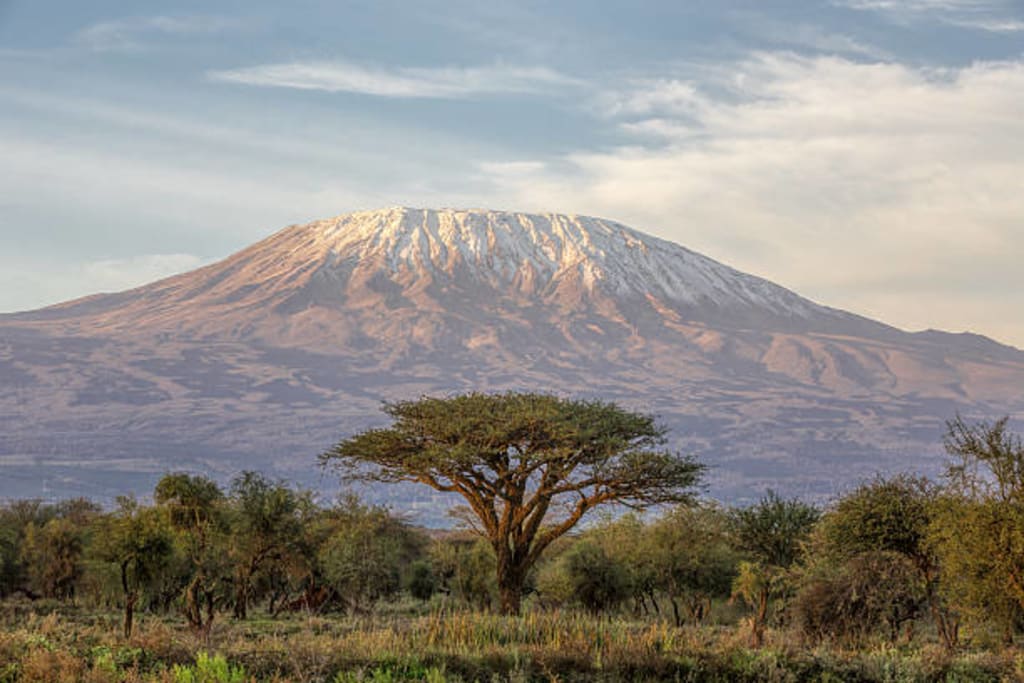
Climbing Mount Kilimanjaro remains one of Africa’s most rewarding travel experiences. Rising above the plains of Tanzania, the mountain attracts travellers from around the world looking to experience high altitude trekking, dramatic scenery, and the achievement of reaching one of the world’s most famous summits. While the climb does not require technical mountaineering skills, preparation, pacing, and route selection all play an important role in creating a safe and memorable journey.
Prepare Yourself Before the Trek
The first step in planning a successful Kilimanjaro climb is understanding the physical and mental preparation required before arriving in Tanzania. Staying at The Residence Zanzibar creates an ideal opportunity for travellers wanting time to recover beside the ocean after the physical challenge of climbing Africa’s highest mountain. Travellers interested in combining mountain adventures with coastal relaxation often explore experiences connected to Zanzibar wildlife and nearby island escapes after completing the trek. Kilimanjaro doesn't require ropes or advanced skills, but altitude can be tough. Prepare with endurance training like walking, hiking, stair climbing, and cardio exercises. Good preparation makes the climb more comfortable. Mental readiness is crucial, especially for summit night, which is demanding due to cold, darkness, and long hours at high altitude.
Choose A Route That Suits Your Pace
Multiple routes lead to the summit of Mount Kilimanjaro, each offering a unique experience in scenery, duration, difficulty, and acclimatisation. Popular options like Machame and Lemosho provide more time for altitude adjustment and scenic landscapes, while Marangu, often seen as one of the easier routes due to hut accommodations, may pose more challenge for acclimatisation because of its shorter duration. Longer routes generally improve success rates by allowing the body more time to adapt gradually to altitude changes. Travellers should consider how many days they wish to spend on the mountain; although shorter itineraries save time, longer climbs tend to be more manageable and enjoyable. The scenery varies dramatically throughout the journey, with forest trails, rocky terrains, alpine deserts, and snowy summits creating a constantly changing environment from day to day.
Understand How Altitude Can Affect You
Altitude presents one of the greatest challenges for climbers on Kilimanjaro. As altitude rises, decreasing oxygen levels can impact energy, breathing, and overall comfort during the ascent. Symptoms of altitude sickness, such as headaches, nausea, dizziness, fatigue, or sleep disturbances, may occur. Moving at a slow, steady pace, staying well-hydrated, and allowing sufficient time for acclimatisation can help prevent serious issues. Guides typically advise climbers to maintain a slow, consistent pace throughout the trek, which promotes safety and comfort at higher elevations. Listening to guides and monitoring physical symptoms is crucial throughout the climb. Additionally, travellers should not underestimate the effects of altitude simply because Kilimanjaro does not require technical climbing skills.
Pack The Right Clothing and Equipment
Weather conditions on Kilimanjaro can change dramatically during the climb, with warm temperatures in the lower forest regions giving way to freezing conditions near the summit. Layered clothing is essential due to the significant temperature variation between daytime hiking and nighttime at the summit. Moisture-wicking base layers, insulated jackets, waterproof outer layers, gloves, hats, and proper hiking boots are all crucial. Good footwear, especially supportive hiking boots, helps reduce discomfort during long days on uneven terrain. Additionally, travellers should pack reusable water bottles, headlamps, sunscreen, trekking poles, warm socks, and energy snacks for summit day. Careful packing ensures comfort and helps avoid unnecessary stress caused by changing weather conditions.
Accept The Slow Pace of The Mountain
Many first-time climbers are often surprised by how gradually guides encourage groups to walk during the trek. Kilimanjaro climbs are seldom about speed; a slower pace conserves energy and gives the body more time to adapt to the altitude. Guides frequently use the phrase “pole pole,” meaning “slowly slowly” in Swahili, to remind climbers to avoid rushing. Successful climbers tend to prioritise consistency over speed, as walking steadily, eating properly, and staying hydrated generally lead to better results than trying to move quickly. Those who embrace the mountain's slower rhythm tend to enjoy the overall experience more comfortably.
About the Creator
Amy Jones
Every destination has a story....Going beyond the surface...Capturing the culture, emotions and little details that make each place unique
Enjoyed the story? Support the Creator.
Subscribe for free to receive all their stories in your feed.
Comments
There are no comments for this story
Be the first to respond and start the conversation.