
How To Discover the Temples of Angkor Like a Seasoned Traveller
Explore Angkor’s timeless temples with the insight of a seasoned traveller.

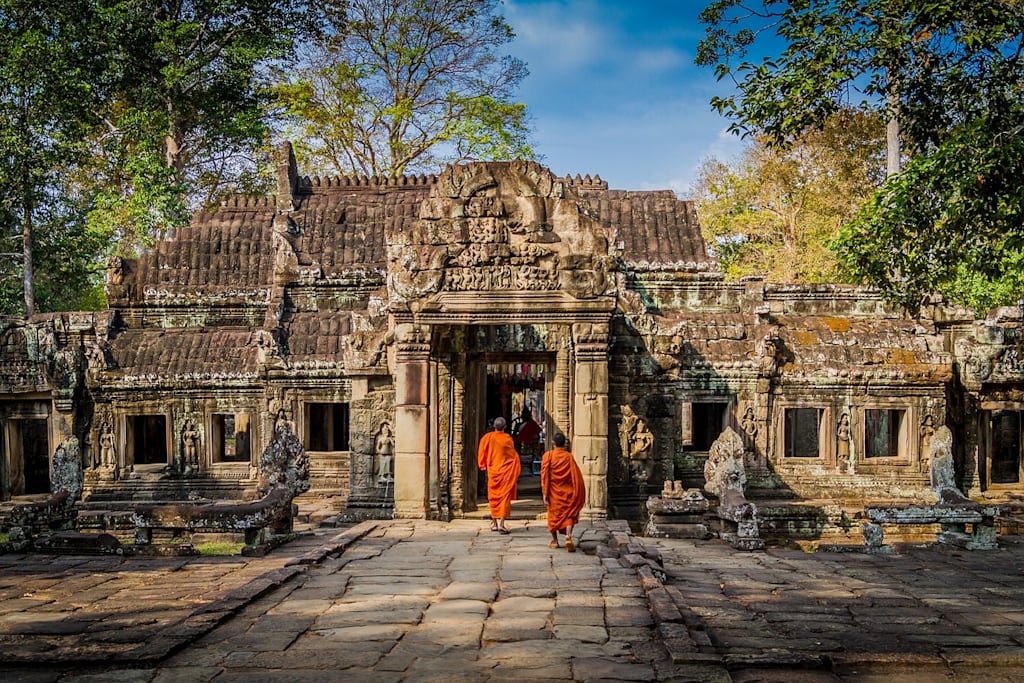
Angkor Wat remains one of Southeast Asia’s most remarkable historical sites, attracting travellers from around the world with its ancient temples, detailed carvings, and cultural importance. Located near Siem Reap in Cambodia, the vast temple complex offers far more than a single landmark. Exploring Angkor Wat properly involves planning your route carefully, managing your time wisely, and experiencing the temples at a pace that allows you to appreciate both the history and atmosphere.
Start Early to Experience the Temples Comfortably
One of the best ways to explore Angkor Wat is by starting early in the morning. Sunrise visits remain especially popular because the cooler temperatures and softer lighting create a far more comfortable atmosphere for walking through the temple grounds. Many travellers choose to arrive before dawn to watch the sunrise behind the main temple towers. The reflection across the water surrounding the temple creates one of Cambodia’s most recognised travel experiences. Visitors staying at FCC Angkor Siem Reap often appreciate being located close enough to begin temple visits early without spending long periods travelling before sunrise. Travellers visiting the best spa in Siem Reap also prefer to visit the temples in the morning, which provides opportunities to relax after long sightseeing days.
Plan More Than One Temple Visit
Many first-time visitors believe they can explore Angkor Wat in just a few hours, but the archaeological park is much larger than most expect. The broader Angkor complex encompasses several significant temples beyond Angkor Wat, such as Bayon, Ta Prohm, Banteay Srei, and Preah Khan. Each site offers unique atmospheres, architectural styles, and historical significance. Bayon is renowned for its stone faces carved into towers, while Ta Prohm draws visitors with its massive tree roots spreading through the ruins. Attempting to visit all the temples in a single day can be exhausting due to the heat and distance between sites.
Dress Properly and Prepare for The Weather
Angkor Wat remains an active religious and cultural site, so visitors should wear respectful clothing, covering shoulders and knees, especially when entering temple areas. Lightweight fabrics are ideal due to the warm temperatures in Siem Reap, and comfortable footwear is essential for navigating uneven paths, stairs, and long distances. Staying hydrated is crucial, particularly during the dry season when temperatures rise quickly by midday; carrying water, sunscreen, hats, and small bags can make exploration easier. Proper preparation for the climate ensures a more comfortable and enjoyable experience while spending extended time outdoors.
Explore Beyond the Most Popular Areas
While Angkor Wat remains the most recognised temple within the complex, many visitors find other quieter temples equally memorable. Preah Khan offers a calmer atmosphere with long corridors, tree-covered ruins, and fewer crowds compared to more heavily visited sites. Banteay Srei attracts travellers with its intricate pink sandstone carvings and smaller-scale architecture. Exploring less-visited areas provides a peaceful opportunity to experience the site's historical atmosphere while avoiding large tour groups. Many visitors enjoy cycling through the park, which offers a slower pace and easier access to smaller, hidden temple areas scattered throughout the forest. Given the vast size of the Angkor Archaeological Park, taking time to explore beyond the most famous landmarks often leads to some of the most rewarding travel experiences.
Learn The History Behind The Temples
Understanding the history behind Angkor Wat and the wider Khmer Empire adds far more meaning to the overall experience. Built between the 9th and 15th centuries, the temples served both religious and political purposes within the Khmer Empire. Intricate carvings throughout depict scenes from Hindu mythology, historical events, and the daily life of the period. Many visitors opt for local guides to gain valuable historical context, helping them interpret the carvings, structures, and layout. Learning about the cultural and religious background often transforms how visitors experience the temples, shifting focus from photography to appreciating the craftsmanship and historical significance. For many, this deeper understanding becomes one of the most memorable aspects of exploring Angkor Wat.
About the Creator
Amy Jones
Every destination has a story....Going beyond the surface...Capturing the culture, emotions and little details that make each place unique
Enjoyed the story? Support the Creator.
Subscribe for free to receive all their stories in your feed.
Comments
There are no comments for this story
Be the first to respond and start the conversation.