
Google Ads vs. Social Media Ads: Which Is Right for Your Business?
Choosing Between Google Ads and Social Media Ads: A Data-Driven Approach

In today’s world of digital marketing, every business is asking the same question: “Where should I invest my ad dollars—Google Ads or social media ads?”
When deciding where to invest your advertising dollars, it’s essential to consider the numbers.
Did you know that the average conversion rate for Google Ads is around 4.8% across various industries, while social media ads—particularly on platforms like Facebook—boast a higher average conversion rate of about 9.21%?
It’s not an easy decision, especially when both platforms have their own advantages. Should you be bidding on keywords through Google Ads to capture users who are actively searching for your product?
Or, should you focus on engaging users on platforms like Facebook or LinkedIn with targeted ads? In this blog, we’ll help you understand the pros and cons of each and guide you in making the best decision for your business.
Understanding Google Ads
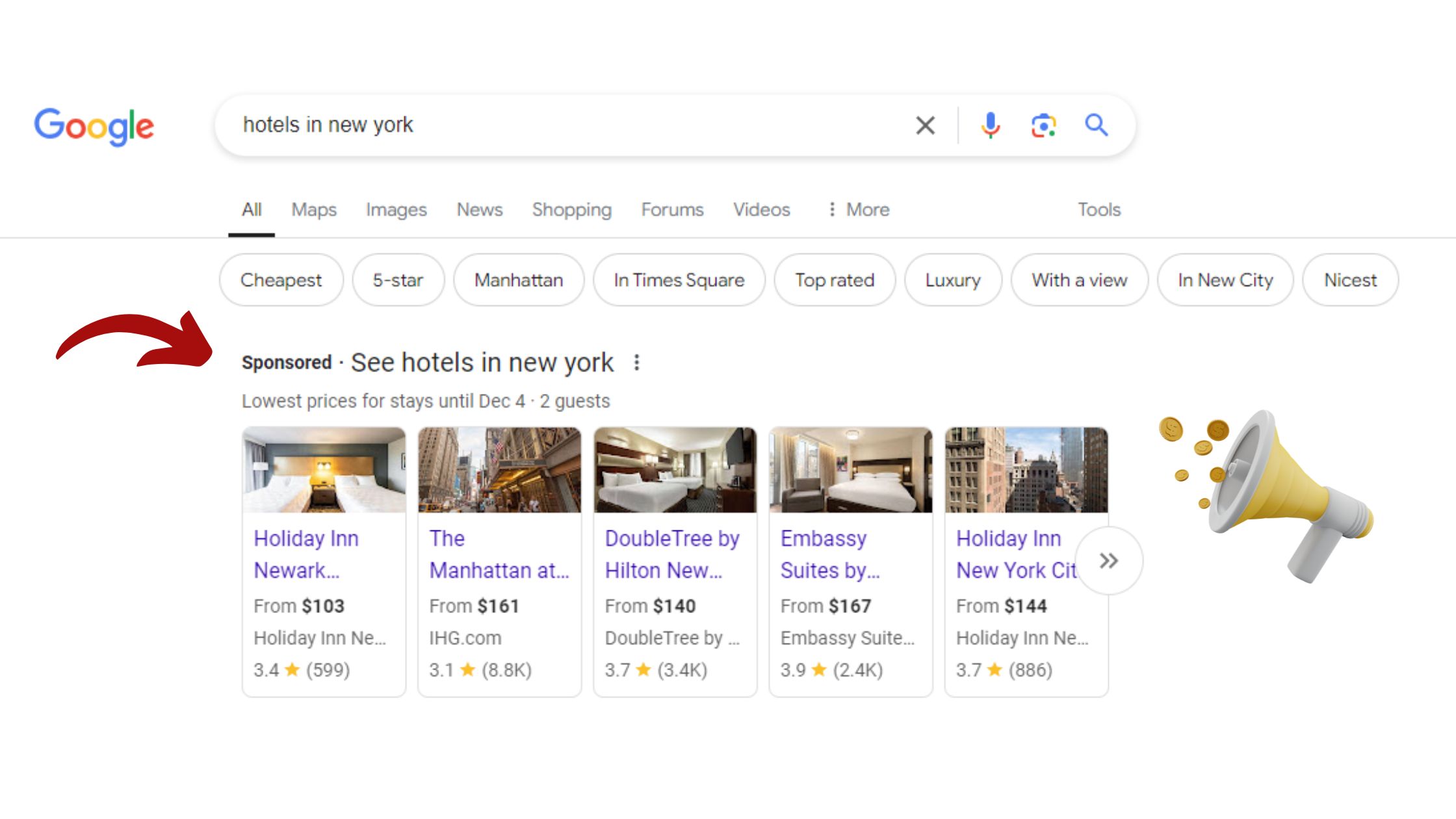
What Are Google Ads?
Google Ads is Google’s online advertising platform, where businesses bid on keywords so their ads appear in search results. The goal is to show up when users are actively searching for products or services like yours.
How Google Ads Work
Google Ads primarily operates on a pay-per-click (PPC) model. You create an ad, bid on relevant keywords, and when a user clicks on your ad, you pay a fee.
The position of your ad depends on your bid, quality score, and relevance to the search query. There are also display ads that appear across Google's vast network of partner websites, which allows for broader reach.
Targeting Capabilities in Google Ads
Google Ads offers a wide range of targeting options, including:
Keyword targeting: You bid on specific search terms relevant to your business.
Geographic targeting: Ads can be shown based on user location.
Device targeting: Choose to show your ads on desktops, mobile devices, or both.
Remarketing: Re-engage users who have visited your site before.
Pros of Using Google Ads
High Intent: Google Ads targets people who are actively searching for specific products or services, which means they are likely closer to making a purchase decision.
Immediate Visibility: Your ads appear almost instantly, giving you quick exposure to potential customers.
Scalability: Google Ads works for businesses of all sizes, whether you're a small business looking to grow or an established brand aiming to expand.
Cons of Using Google Ads
Costly for Competitive Industries: If you’re in a highly competitive industry, keyword bids can become expensive, increasing your overall ad spend.
Requires Constant Monitoring: To get the best return, Google Ads campaigns need regular optimization and monitoring to ensure the best results.
Understanding Social Media Ads
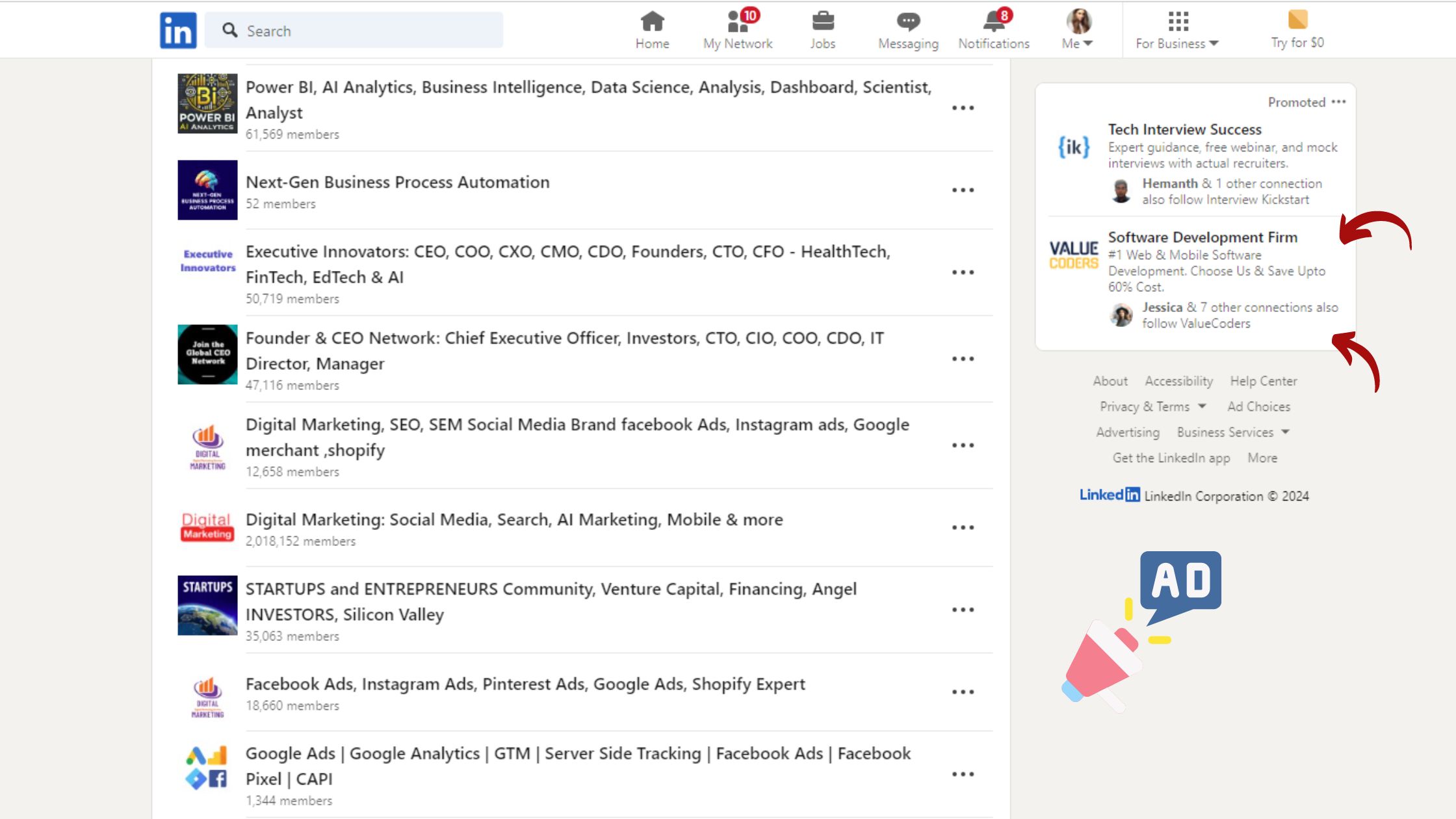
What Are Social Media Ads?
Social media ads are sponsored posts that appear on platforms like Facebook, Instagram, LinkedIn, and Twitter.
These ads target users based on demographics, interests, and behaviors rather than search intent. Social media ads are perfect for building brand awareness and engaging with your audience on a more personal level.
How Social Media Ads Work
Social media platforms like Facebook, Instagram, and LinkedIn provide powerful advertising tools that let you display ads to highly specific audiences.
For instance, with Facebook Ads Management, you can target users based on their interests, behaviors, location, and even job title.
LinkedIn Ads, on the other hand, can help B2B businesses reach professionals based on their industry or job function through LinkedIn Ads.
Targeting Capabilities in Social Media Ads
Demographic Targeting: Reach users based on age, gender, location, and other key demographics.
Interest-based Targeting: Target users who have shown an interest in certain topics or brands.
Behavioral Targeting: Display ads based on user actions like their online behavior, such as the types of websites they visit.
Lookalike Audiences: Platforms like Facebook let you create “lookalike” audiences similar to your existing customers for better targeting.
Pros of Using Social Media Ads
Higher Engagement: Social media ads are designed to be visually appealing, allowing users to like, comment, and share, making it great for building brand awareness and creating a buzz around your product.
Effective for Top-of-the-Funnel Marketing: Social media is ideal for introducing your brand to new audiences who may not know about your business yet.
Creative Ad Formats: From carousel ads to video ads, social platforms provide plenty of formats to engage your audience.
Cons of Using Social Media Ads
Lower Intent: Social media ads often interrupt a user's feed, meaning users may not be actively looking for your product. As a result, conversion rates may be lower.
Creative-Dependent: Success depends on your ability to create eye-catching and engaging visuals and copy.
Algorithm Reliant: Social media algorithms frequently change, meaning your ad reach may be affected if the platform prioritizes other content.
Key Differences Between Google Ads and Social Media Ads
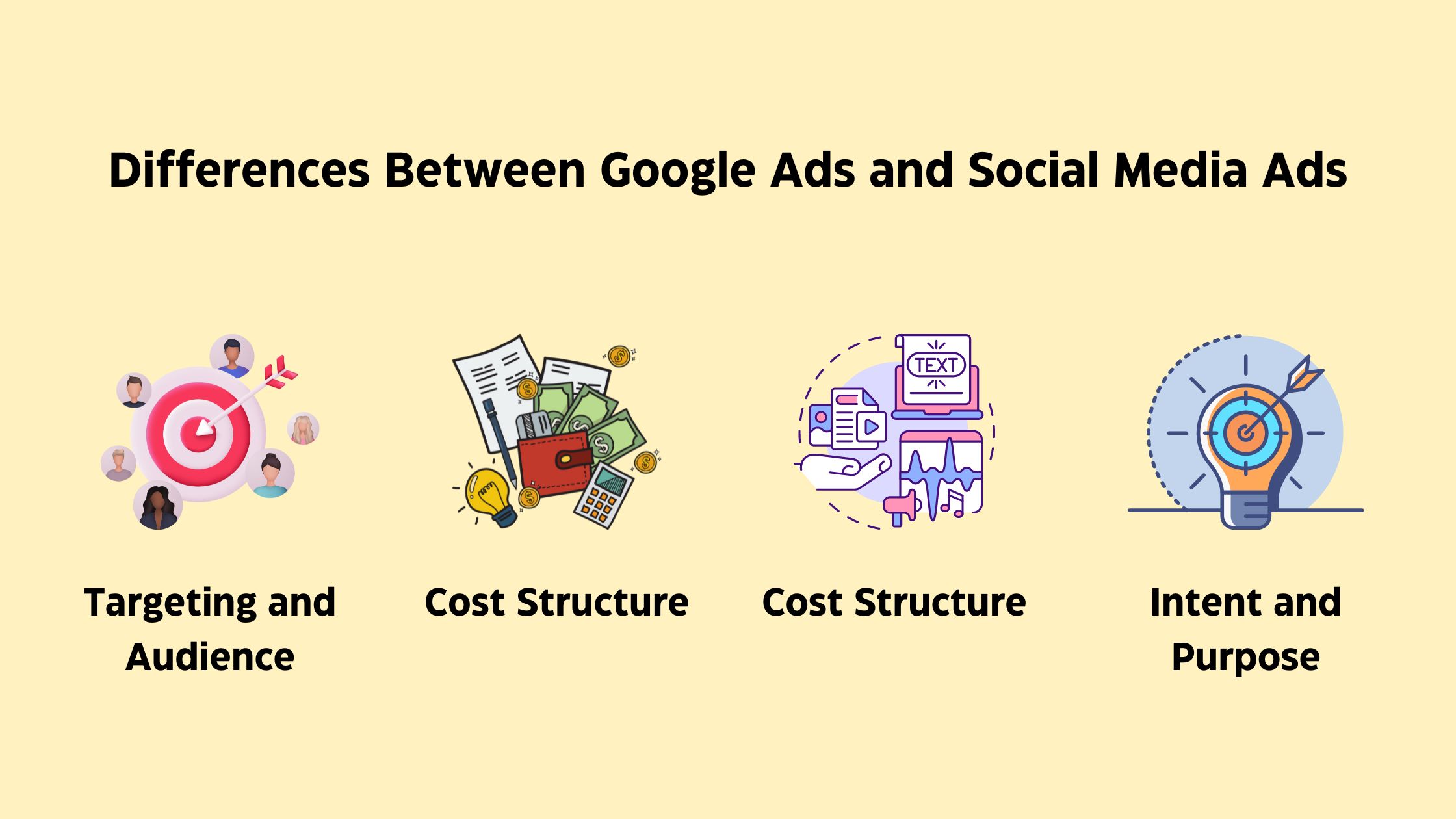
Targeting and Audience
Google Ads are search-based, meaning they target users who are actively seeking something specific. This makes it great for Google Ads that want to capture users who are ready to buy.
On the other hand, social media ads target users based on interests and behaviors, making them better for creating brand awareness.
Cost Structure
Both Google Ads and social media ads use pay-per-click (PPC) models, but the bidding systems differ.
Google Ads rely heavily on keyword bidding, and the cost can increase significantly in competitive industries. Social media ads typically focus on audience size and demographic reach, with costs varying by platform.
Ad Formats
Google Ads are mostly text-based (search ads), while social media ads are more visual.
Platforms like Facebook, Instagram, and LinkedIn offer diverse ad formats such as video ads, carousel ads, and interactive stories, making them perfect for visually engaging campaigns.
Intent and Purpose
Google Ads are great for bottom-of-the-funnel conversions, targeting users who are ready to buy.
Social media ads, however, are excellent for top-of-the-funnel engagement, where you introduce users to your brand and nurture them through the customer journey.
Which Platform Is Best for Your Business?
If You Want Immediate Conversions
If you’re looking to drive quick sales or leads, Google Ads services might be your best bet. Users who click on your ads are usually closer to making a purchase decision, making Google Ads ideal for high-intent conversions.
If You Want to Build Brand Awareness
If your goal is to build a following or introduce your brand to a new audience, social media ads are a better fit.
Through Facebook Ads or LinkedIn Ads, you can engage users early in their journey, nurturing them toward conversion over time.
Consider Your Industry and Budget
Industries with higher competition on Google Ads, like law firms or real estate, may face higher costs due to keyword bidding.
For these businesses, social media ads might offer a more affordable alternative to reach their target audience.
Combining Google Ads and Social Media Ads for Optimal Results

Benefits of an Integrated Strategy
Using both Google Ads and social media ads together can provide a full-funnel marketing approach. Social media ads are great for awareness, while Google Ads can close the deal with users who are actively searching for solutions.
Example of a Complementary Campaign
Imagine running a brand awareness campaign on Facebook to introduce your product, followed by retargeting users with Google Ads to capture those who show purchase intent. This ensures you’re reaching your audience at different stages of their journey.
Conclusion
Ultimately, the choice between Google Ads and social media ads depends on your business goals, target audience, and budget. For fast conversions, Google Ads are a strong contender.
For growing your brand and building engagement, social media ads offer plenty of creative opportunities. Many businesses find success using both platforms in an integrated strategy, ensuring they capture potential customers at every stage of the marketing funnel.
Whichever platform you choose, consider partnering with a PPC company or agency experienced in both Google and social media ads. They can help you maximize your ROI and guide you in choosing the best strategy for your business.
About the Creator
Enjoyed the story? Support the Creator.
Subscribe for free to receive all their stories in your feed.
Comments
There are no comments for this story
Be the first to respond and start the conversation.